
A deep dive into the matcha drink phenomenon, plus a commercial-grade recipe that’s taking cafés by storm
The Numbers Don’t Lie: Matcha Is Having Its Moment
If you’ve scrolled through Instagram or TikTok lately, you’ve probably noticed an unmistakable trend: vibrant green drinks everywhere. The global matcha market grew from $3.84 billion in 2024 to $4.24 billion in 2025, with an annual growth rate of 10.3 percent, and industry analysts project this momentum to continue well into 2026.
Black Sheep Coffee reported a 227% year-on-year surge in iced beverage sales following the launch of its matcha line, with matcha-based beverages outpacing espresso at some locations Coffee Intelligence. Major chains including Starbucks, Dunkin’, and Peet’s Coffee have all expanded their matcha offerings, signaling a fundamental shift in consumer preferences that shows no signs of slowing.
What’s Fueling the Matcha Boom?
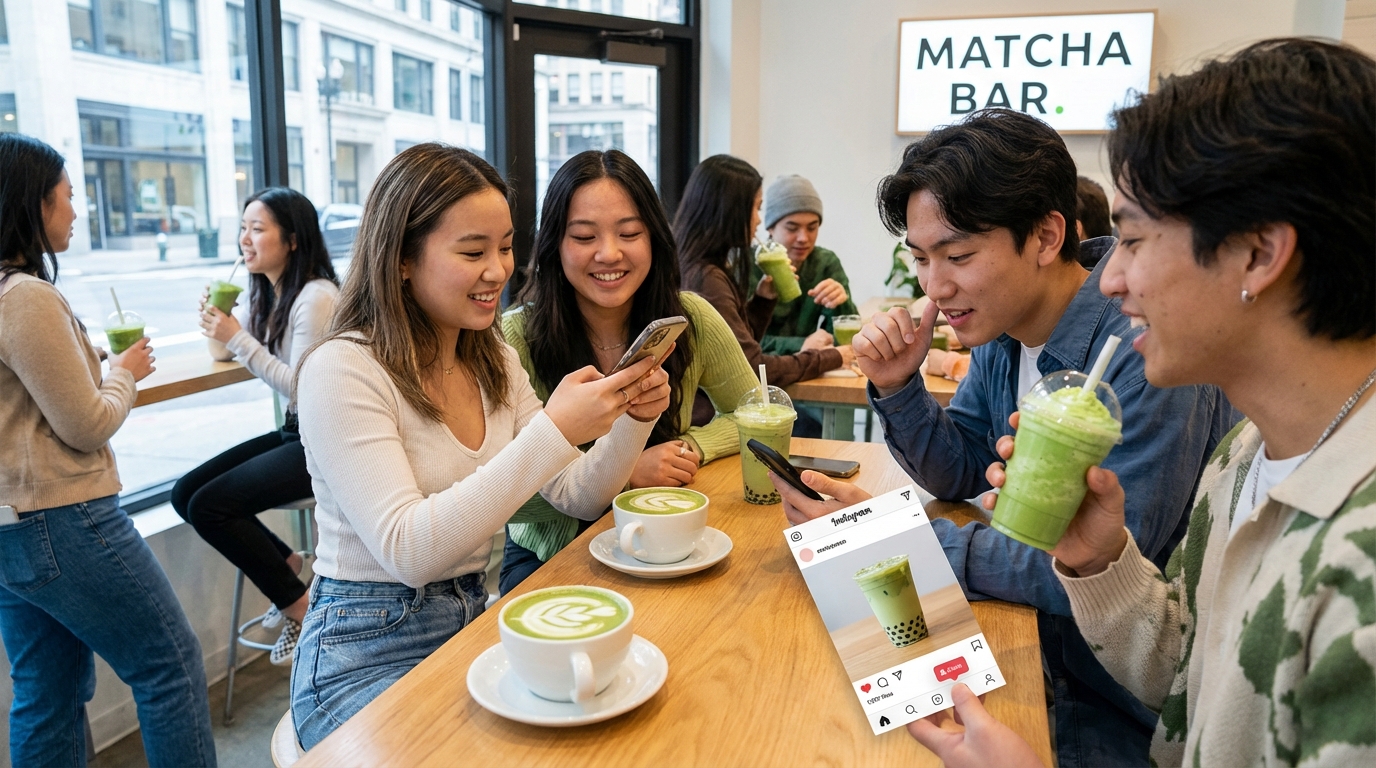
Gen Z’s Search for “Clean Energy”
Gen Z consumers are driving demand for health-forward, photogenic drinks, with matcha emerging as the poster child for this movement Coffee Intelligence. Unlike coffee’s jittery spike and crash, matcha offers sustained energy through its unique combination of caffeine and L-theanine—delivering approximately 70mg of caffeine per serving compared to coffee’s 120mg, but with longer-lasting effects.
The Instagram Effect
Let’s be honest: matcha’s vivid green color is social media gold. The visual appeal of high-quality matcha makes it a natural star in photos and videos Fresh Cup, and this aesthetic quality has become a powerful marketing tool for cafés looking to attract younger demographics.
Wellness Culture Meets Tradition
In the wake of modern stressors and a global pandemic, personal wellness has become a top priority, and matcha fits seamlessly into that lifestyle shift Coffee Intelligence. Consumers appreciate that they’re drinking something with a 2,000-year tradition while meeting their modern health needs.
The Supply Chain Challenge
Here’s the catch: Japanese matcha production hit capacity in 2025, with environmental factors causing a 20 to 30 percent drop in yield, and some producers refusing new customers Global Coffee Report. For café owners and distributors entering 2026, this creates both a challenge and an opportunity.
The solution? Working with reliable B2B suppliers who can provide consistent, quality matcha products at scale.
Recipe Spotlight: Commercial-Grade Matcha Drink
For foodservice operators looking to add matcha to their menu, here’s a professional recipe that balances traditional preparation with commercial efficiency:
Layered Matcha Latte with Red Bean
Prep time: 5 minutes | Serves: 1
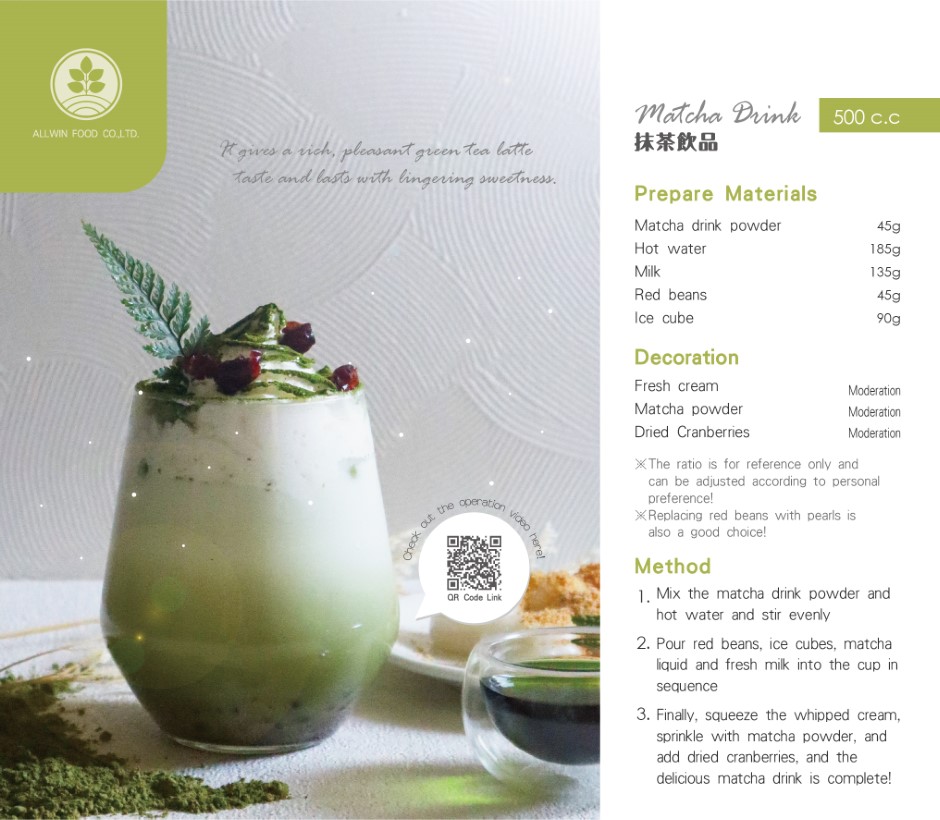
Ingredients:
- 45g matcha drink powder
- 185g hot water
- 135g milk
- 45g red bean (or substitute with boba pearls)
- 90g ice cubes
- Fresh cream (for topping)
- Matcha powder (for garnish)
- Dried cranberries (optional)
Method:
- Mix the matcha drink powder with hot water, stirring until fully dissolved
- Layer ingredients in serving glass: red beans first, followed by ice cubes, matcha liquid, then fresh milk
- Top with whipped cream, dust with matcha powder, and garnish with dried cranberries
Pro Tips:
- The layered presentation creates that Instagram-worthy aesthetic Gen Z customers love
- Red beans add traditional Japanese authenticity, while boba pearls offer a trendy bubble tea crossover
- This recipe scales easily for high-volume operations
The B2B Advantage: Customization Is Key
For larger operations—whether you’re running a café chain, managing a food service distribution network, or developing a private label beverage line—the ability to customize your matcha products is crucial.
Companies like Allwin Food, a Taiwan-based B2B beverage powder manufacturer, have positioned themselves to meet this exact need. With FSSC 22000 and HACCP certifications, they offer customization services that go beyond just the powder itself:
Customization Options Include:
- Flavor Development: Create signature matcha blends (traditional, milk tea-style, or fusion flavors)
- Packaging Solutions: From bulk 20kg cartons for commercial kitchens to custom-branded retail packaging
- Formula Adjustment: Modify sweetness levels, texture, and dissolvability to match your specific equipment and customer preferences
- Product Line Extensions: Develop complementary products (milk foam powders, flavor add-ins, etc.)
For distributors serving multiple markets, this flexibility means you can offer region-specific products without managing multiple suppliers.
Market Outlook: Where Matcha Goes in 2026
Wholesale matcha sales jumped 100% in 2025, while consumer sales were up 15% compared to 2024 Fresh Cup. As we move through 2026, industry experts predict continued growth, driven by:
- Product Innovation: Sparkling matcha, nitro matcha, and functional blends combining matcha with adaptogens
- Ready-to-Drink Formats: Canned and bottled matcha beverages for grab-and-go convenience
- Expanded Applications: Matcha moving beyond beverages into bakery, desserts, and even savory applications
The Bottom Line for Foodservice Operators
Matcha isn’t just another trend—it’s a category transformation. Brands are embedding matcha into their regular menu cycles not as gimmicks, but as repeatable, customizable fixtures.
For businesses looking to capitalize on this moment in 2026, the strategy is clear:
✅ Start Now: Supply constraints mean early adopters have an advantage
✅ Choose Reliable Partners: Work with certified B2B suppliers who can scale with your growth
✅ Customize Strategically: Don’t just add matcha—create signature drinks that differentiate your brand
✅ Plan for Volume: Matcha demand isn’t slowing down; invest in suppliers who can handle increased orders
Whether you’re adding matcha to an existing café menu, launching a new beverage line, or supplying foodservice distributors across multiple regions, the opportunity is significant—but so is the need for strategic planning and reliable partnerships.
About Commercial Matcha Solutions
For foodservice operators, distributors, and private label developers interested in exploring custom matcha formulations, bulk ordering, or white-label solutions, established B2B manufacturers offer comprehensive support including R&D, quality control, and flexible packaging options. Learn more about commercial matcha powder solutions at professional food ingredient suppliers specializing in tea and beverage powder systems.
Sources:
- Coffee Intelligence, “Iced matcha beverages take the lead in coffee shops & supermarkets” (2025)
- Fresh Cup Magazine, “The Matcha Boom Is Reshaping Cafes” (2025)
- Global Coffee Report, “Matcha’s moment with younger gen” (2025)