

Shipping standard goods from one point to another is a daily routine for global commerce. But when the cargo is a collection of high-value precision instruments, delicate electronic components, or irreplaceable optical lenses, the process transforms from routine logistics into a high-stakes operation. For procurement managers and business owners in the tech, medical, and manufacturing sectors, the fear of a single mishap, a jolt, a temperature fluctuation, a customs delay, can mean catastrophic financial loss and severe damage to client trust.
The risks are substantial. A microscopic crack in a lens, invisible electrostatic discharge (ESD) damage to a semiconductor, or the slightest misalignment from vibration can render a six-figure piece of equipment worthless. The challenge is twofold: first, achieving “zero damage” by physically protecting the asset against every conceivable threat, and second, maintaining “transparent monitoring” to have complete visibility and control over the shipment’s journey.
This guide is designed to address these critical pain points. We will break down the essential strategies and technologies required to transform the shipping of high-value goods from a source of anxiety into a secure, predictable, and transparent process.
Building a Foundation of Security: Strategic Planning and Risk Assessment
Before a single box is packed, a successful shipment begins with a meticulous planning phase. Simply handing over your valuable assets to a carrier is not a strategy; it’s a gamble. A robust plan involves deeply understanding both your cargo and the journey ahead.
Understanding Your Cargo’s Unique Vulnerabilities
Every piece of equipment has an Achilles’ heel. The first step is to identify it. Is your cargo sensitive to:
- Shock and Vibration: Sudden impacts during loading or turbulence during transit can cause immediate or latent damage.
- Temperature and Humidity: Condensation can short-circuit electronics, while extreme heat or cold can warp sensitive materials.
- Electrostatic Discharge (ESD): A tiny, unnoticed spark can fry microprocessors and integrated circuits.
- Contamination: Dust, particles, or other contaminants can ruin sterile medical devices or optical surfaces.
Collaborating with a logistics expert to create a “vulnerability profile” for your specific products is crucial for designing effective countermeasures.
Choosing the Right Mode of Transport
The choice between air, sea, and land freight is not just about speed and cost; it’s a strategic risk-management decision.
- Air Freight: Offers speed and reduced handling, minimizing the time your goods are in transit and exposed to risks. It is often the preferred method for extremely high-value or time-sensitive electronics and medical devices.
- Sea Freight: More cost-effective for larger shipments, but the longer transit times and higher potential for movement and environmental exposure require superior packaging and container-level monitoring.
- Land Freight: Essential for first and last-mile delivery. Using trucks with air-ride suspension is non-negotiable for delicate cargo, as it dampens road vibrations that can cause significant wear and tear.
A blended approach, managed by a single logistics solution provider, often yields the best balance of security, speed, and cost.
The Core of Protection: Advanced Packaging and Specialized Handling
The most common point of failure in shipping delicate goods is inadequate packaging. A standard cardboard box and bubble wrap are woefully insufficient. The goal is to create a custom-engineered cocoon that isolates the asset from the external environment.
Beyond the Box: Engineering Your Packaging Solution
Modern protective packaging is a science. Your solution should incorporate multiple layers of defense:
- Custom Crating and Inserts: Hardwood or ISPM-15 certified wood crates provide a rigid outer shell. Inside, high-density, custom-molded foam or polyethylene inserts should perfectly match the contours of your equipment, preventing any movement.
- Shock and Vibration Dampening: Utilize specialized materials or even mechanical shock absorbers within the crate to isolate the item from impacts. Shock indicators should be placed on the exterior to provide a clear record of any mishandling.
- Climate and Contaminant Barriers: Vacuum-sealed, military-grade Mylar or foil bags protect against moisture and dust. For electronics, anti-static bags are essential to prevent ESD. Desiccant packs should be included to absorb any residual humidity.
The following table provides a starting point for matching packaging solutions to specific types of precision cargo. It’s crucial to consult with a packaging expert to tailor these solutions to your exact needs.
| Instrument Type | Primary Risks | Recommended Packaging Solutions | Key Handling Notes |
|---|---|---|---|
| Optical Lenses & Scientific Lasers | Scratches, Shock, Contamination | Custom-molded foam, lens paper wrapping, rigid cases, vacuum sealing. | Handle only with lint-free gloves; avoid any pressure on optical surfaces. |
| Semiconductor Wafers | Contamination, ESD, Vibration | Nitrogen-purged, anti-static wafer carriers (FOUPS) secured inside a padded, rigid outer container. | Maintain cleanroom handling protocols during packing and unpacking. |
| Medical Imaging Devices (MRI/CT parts) | Extreme Shock, Temperature, Humidity | Custom-built crates with integrated shock absorbers, climate-controlled containers, tilt indicators. | Requires specialized rigging and loading equipment; must remain upright. |
| Assembled Electronic Boards (PCBs) | ESD, Flexing, Moisture | ESD-shielding bags with desiccants, placed vertically in rigid PCB racks to prevent bending. | Avoid stacking; ensure no contact between individual boards. |
As the table illustrates, a one-size-fits-all approach is doomed to fail. A specialized logistics partner will conduct a thorough analysis of your product to design and implement a bespoke packaging and handling protocol.
From Black Box to Glass Box: Transparent Monitoring with IoT
For decades, shipping was a “black box.” You sent your cargo and hoped for the best. Today, technology has shattered that box. The integration of Internet of Things (IoT) sensors provides unprecedented, real-time visibility into your shipment’s condition and location.
The Power of Real-Time Sensor Data
Your packaging should be equipped with a suite of multi-modal sensors that stream data to a central platform. Essential sensors include:
- GPS Tracking: Provides live location data, enabling geofencing and deviation alerts.
- Shock Loggers: Record the time and severity of every impact, proving when and where mishandling occurred.
- Temperature & Humidity Sensors: Ensure the cargo remains within its specified environmental limits, alerting you to any breaches.
- Light Exposure Sensors: Can indicate if a crate has been illicitly opened.
This data is not just for post-mortem analysis; it’s for proactive intervention. An alert for a temperature spike can allow your logistics partner to intervene at the next hub before damage occurs.
Navigating the Maze: Customs, Compliance, and Insurance
Physical protection and monitoring are only part of the equation. Administrative and regulatory hurdles can pose an equal, if not greater, threat.
Ensuring Smooth Customs Clearance
Delays in customs are a major source of risk. Every extra day spent in a warehouse is another day your cargo is exposed to potential damage or theft. Flawless documentation is the key to smooth passage. This includes precise Harmonized System (HS) codes, accurate commercial invoices, and any required import/export licenses for controlled technology. An experienced international transport company will manage this entire process, ensuring all paperwork is perfectly aligned with the destination country’s regulations.
Comprehensive Insurance for High-Value Goods
Do not confuse carrier liability with comprehensive cargo insurance. A carrier’s liability is often limited to a negligible amount per kilogram. For high-value goods, you need a specific “All-Risk” cargo insurance policy that covers the full declared value of your items against all potential perils. A knowledgeable logistics partner can help you secure the right coverage at a competitive rate, providing true peace of mind.
The Partner Makes the Difference: The HLS Honour Lane Advantage
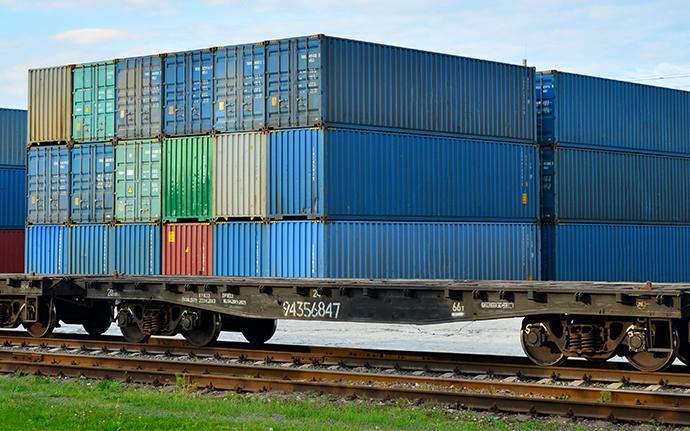
Successfully navigating the complexities of shipping precision instruments requires more than a carrier; it demands a dedicated logistics solution provider with deep domain expertise. This is where a specialist like HLS Honour Lane becomes an invaluable asset to your supply chain. As a leading international transport company, HLS Honour Lane has built its reputation on managing complex, high-value shipments where there is no margin for error. They provide end-to-end solutions that integrate all the critical elements discussed, from engineering bespoke packaging and implementing advanced IoT monitoring to navigating intricate global customs and securing comprehensive insurance. Their global network and dedicated teams ensure that your valuable assets are handled with the highest level of care and professionalism, door-to-door.
Shipping your most valuable assets shouldn’t be a source of uncertainty. By embracing a strategy built on meticulous planning, advanced protection, and transparent technology, you can ensure your precision instruments arrive safely, every time. If you’re looking to elevate the security and reliability of your high-value shipments, the team at HLS Honour Lane is ready to engineer a solution tailored to your unique needs, including sea freight services, air freight services, railway freight service, value added service and others. Contact HLS Honour Lane to start the conversation and secure your supply chain.