

In modern warehouse and logistics operations, forklifts are essential equipment for material handling. However, not all forklifts are the same. Two of the most commonly compared models are the electric counterbalance truck and the reach truck. While they may appear similar at first glance, each has unique features, applications, and benefits. Choosing between the two depends largely on your facility’s layout, load requirements, and operational goals.
What Is an Electric Counterbalance Truck?
An electric counterbalance truck is one of the most widely used forklifts in warehouses and factories. The design includes a heavy counterweight at the rear of the truck that balances the load carried at the front forks.
Key Characteristics of Electric Counterbalance Trucks
- Versatility: These forklifts can handle a wide range of loads, from pallets to heavy industrial equipment.
- Stability: The rear counterweight ensures balance, even when carrying maximum loads.
- Ease of Use: Operators can drive straight up to the load without the need for additional reach mechanisms.
- Eco-Friendly Operation: Being electric-powered, they produce zero emissions, making them suitable for indoor environments.
Best Applications
Electric counterbalance trucks are ideal for:
- Wide-aisle warehouses
- Manufacturing plants
- Loading docks
- General-purpose material handling
What Is a Reach Truck?
A reach truck is designed specifically for high-density storage and narrow aisle operations. Unlike a counterbalance truck, it uses an extendable mast that allows the forks to “reach” into racking systems.
Key Characteristics of Reach Trucks
- Narrow-Aisle Design: Reach trucks can maneuver efficiently in aisles as narrow as 2.5–3 meters.
- Extended Mast Reach: Capable of stacking pallets at high racking levels, often exceeding 10 meters.
- Operator Positioning: Many models allow operators to sit sideways for better visibility when navigating narrow aisles.
- Precision Handling: Built for delicate maneuvering, making them ideal for high-volume storage facilities.
Best Applications
Reach trucks are widely used in:
- Distribution centers
- Retail warehouses
- Cold storage facilities
- Any operation requiring maximum vertical storage capacity
Comparing Electric Counterbalance Trucks and Reach Trucks
Choosing the right forklift involves evaluating your operational environment. Here is a direct comparison:
Space Requirements
- Counterbalance Truck: Requires wider aisles (3.5–4 meters).
- Reach Truck: Operates efficiently in very narrow aisles (2.5–3 meters).
Load Handling
- Counterbalance Truck: Handles heavier, bulkier loads with stability.
- Reach Truck: Specialized in pallet stacking at height but with lower maximum capacity compared to counterbalance models.
Operational Costs
- Counterbalance Truck: Lower initial cost but may require more floor space.
- Reach Truck: Higher upfront investment but increases warehouse storage density.
Operator Comfort
Both models today come with ergonomic features, but reach trucks often require more skill due to their maneuvering in tight spaces.
Which Forklift Should You Choose?
The decision comes down to your warehouse design and handling requirements:
- If your operations require heavier lifting and involve indoor/outdoor flexibility, an electric counterbalance truck is more suitable.
- If you manage a high-density warehouse where space optimization is critical, a reach truck will maximize efficiency.
Tailift’s Solutions for Modern Warehouses
As a global forklift manufacturer, Tailift Material Handling Taiwan Co., Ltd. offers both electric counterbalance trucks and reach trucks. With decades of experience, Tailift integrates durability, operator safety, and energy efficiency into every design. Their solutions are trusted by logistics companies, manufacturers, and distribution centers worldwide.
Electric Counterbalance Truck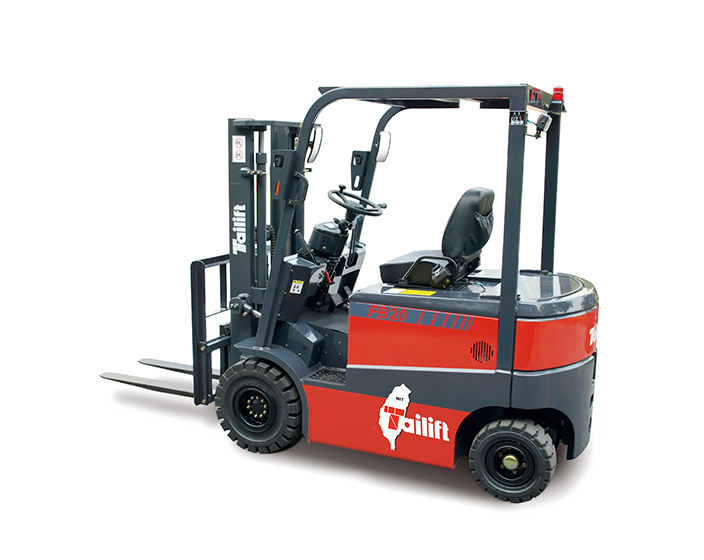
Reach Truck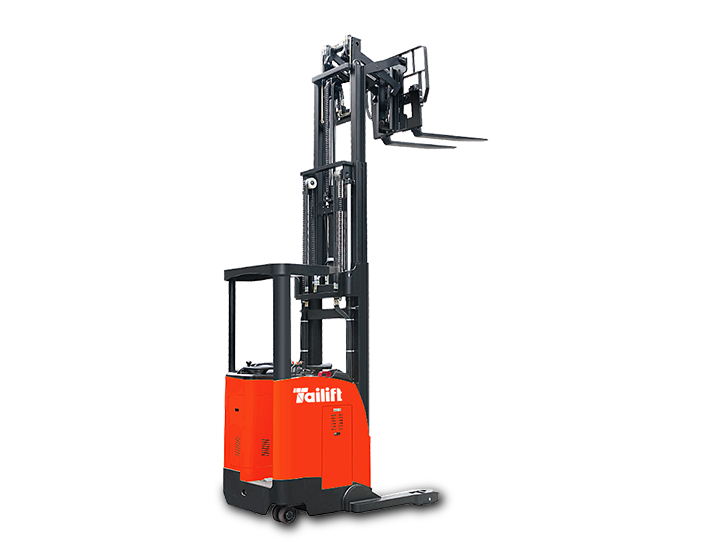
By understanding the differences between these two forklift types, businesses can make smarter investments that improve efficiency and reduce long-term operational costs.