Choosing the right paper cup is more important than many buyers first assume. For coffee shops, beverage brands, importers, distributors, and foodservice operators, the wrong cup can lead to customer complaints, poor handling comfort, inconsistent branding, and higher operating costs. A cup is not just a container—it affects temperature retention, user experience, product safety, and brand perception.
That is why understanding the differences between single wall, double wall, and ripple wall cups is essential. If you are comparing suppliers, planning a custom paper cup order, or searching for a reliable paper cup manufacturer, this guide will help you choose the right cup type based on real usage scenarios rather than assumptions.
Why Paper Cup Structure Matters
Many buyers focus on cup size, printing, or price first. However, cup structure is often the factor that most directly affects performance. The wall construction of a paper cup influences:
- Heat insulation
- Grip comfort
- Cup rigidity
- Material usage
- Printing surface
- End-user perception
- Suitability for lids and takeaway service
For hot drinks especially, choosing the wrong wall type may result in a cup that feels too hot to hold, requires an extra sleeve, or creates a lower-quality impression. For branded beverage businesses, the cup structure also affects how the final printed product looks and feels in customers’ hands.
What Is a Single Wall Paper Cup?
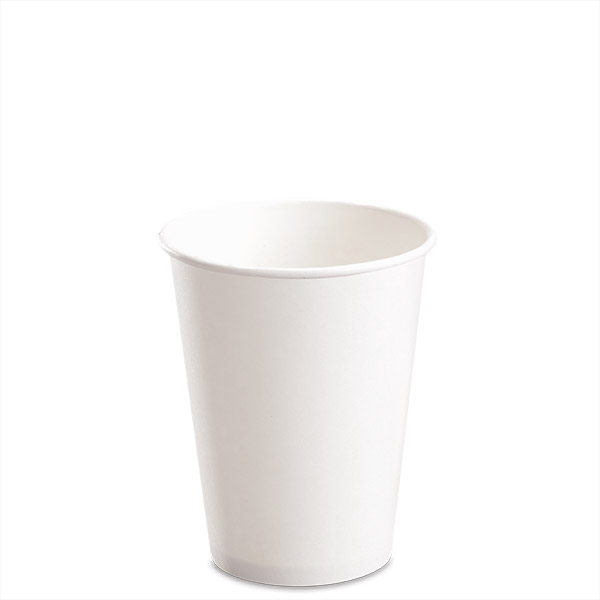
A single wall paper cup is the most basic and widely used option. It is made with one layer of paperboard and is commonly used for hot or cold beverages, depending on its coating and design.
Single wall cups are often chosen because they are cost-effective, lightweight, and easy to store. They are suitable for lower-temperature drinks, shorter holding times, or situations where an additional sleeve is acceptable.
Best use cases for single wall cups
- Tea shops
- Water, juice, and cold beverages
- Office events
- Sampling stations
- Basic takeaway coffee with sleeve support
Main advantages
- Lower unit cost
- Wide size availability
- Easy for large-volume ordering
- Good option for standard branded printing
Main limitations
- Limited insulation for hot drinks
- May require an additional sleeve
- Lower premium feel compared with thicker cup types
For businesses focused mainly on cost control, a single wall cup can still be a practical choice. But for hot beverage programs, comfort and brand experience may become concerns.
What Is a Double Wall Paper Cup?
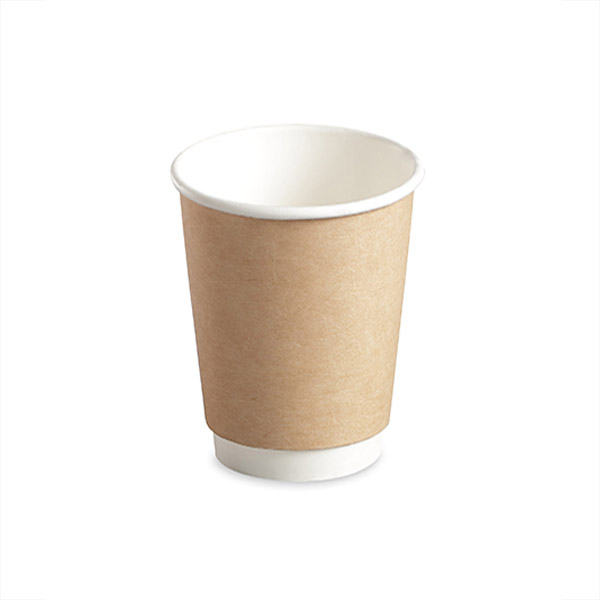
A double wall paper cup includes two layers of paperboard. The added outer layer creates better insulation and improves the feel of the cup in hand. Compared with a single wall cup, it is more comfortable for customers holding hot beverages and often eliminates the need for a separate sleeve.
Double wall cups are widely used by coffee brands, bakeries, and takeaway beverage operators that want a cleaner presentation and stronger cup body. The outer wall can also improve the visual impression of a custom paper cup, especially for brands that want a more premium look.
Best use cases for double wall cups
- Coffee shops
- Premium tea brands
- Hotels and catering
- Branded takeaway beverages
- Medium to high-temperature drinks
Main advantages
- Better heat insulation
- More comfortable to hold
- No separate sleeve needed in many cases
- Stronger and more premium appearance
Main limitations
- Higher material cost than single wall cups
- Slightly more bulk in storage and shipping
- May not offer the textured grip some users prefer
Double wall cups are often the middle ground between cost and customer experience. For many beverage brands, they offer a strong balance of functionality and presentation.
What Is a Ripple Wall Paper Cup?
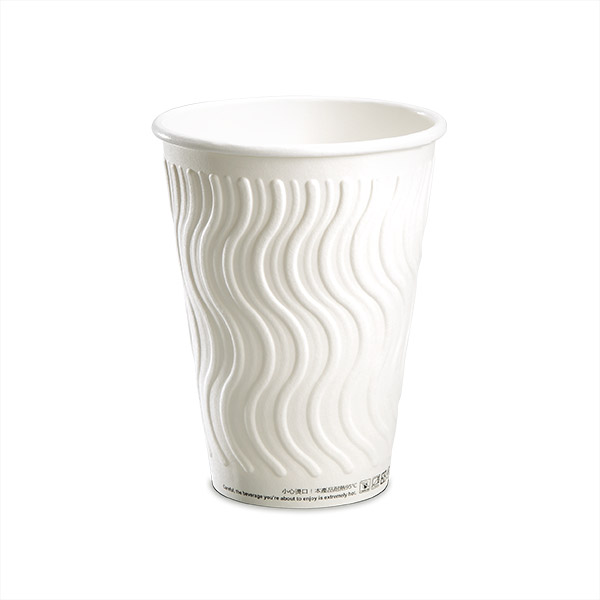
Ripple wall cups use an outer corrugated or textured paper layer that creates air pockets between layers. This design improves insulation and provides an anti-slip grip. Among the three common types, ripple wall cups are often the most recognizable in premium hot drink service.
Many buyers choose ripple wall cups for specialty coffee, premium takeaway service, and customer-facing businesses where comfort matters. The textured exterior gives the cup a distinct feel and can help signal product quality.
Best use cases for ripple wall cups
- Specialty coffee shops
- Premium takeaway programs
- High-temperature beverages
- Fast-service environments
- Brands focused on customer experience
Main advantages
- Excellent insulation
- Comfortable grip
- Textured surface reduces slipping
- Strong premium perception
Main limitations
- Usually higher cost
- Exterior printing options may be more limited depending on design
- Not always necessary for lower-temperature drinks
Ripple wall cups are especially useful when a business wants to combine function and perceived quality. However, not every operation needs the highest insulation level.
Quick Comparison Table
Before making a sourcing decision, it helps to compare the three structures side by side. The table below gives a simplified view for buyers evaluating different options.
| Cup Type | Insulation | Comfort for Hot Drinks | Cost Level | Brand Presentation | Typical Use |
| Single Wall | Basic | Low to moderate | Low | Standard | Cold drinks, light hot drink use |
| Double Wall | Good | Good | Medium | Premium and clean | Coffee, tea, takeaway beverages |
| Ripple Wall | Very good | Very good | Medium to high | Premium and textured | Specialty coffee, hot drinks |
This comparison is helpful as a starting point, but the right choice still depends on your menu, customer expectations, and packaging budget.
How to Choose the Right Paper Cup Type
Consider beverage temperature
If you mainly serve iced drinks, a single wall cup may be enough. If you serve hot coffee, milk tea, or other high-temperature drinks, double wall or ripple wall cups are often more suitable.
Think about customer handling time
A customer who drinks quickly in-store has different needs from someone carrying a takeaway cup for 20 minutes. Longer holding time usually means higher insulation needs.
Evaluate branding goals
If packaging is part of your marketing, the cup is more than functional. A well-designed custom paper cup can improve brand recall and elevate perceived quality. In these cases, cup structure should support both comfort and appearance.
Review total packaging cost
Do not compare only cup price. A lower-priced single wall cup may need an added sleeve, increasing total cost and handling complexity. Buyers should compare the full packaging system, not just one component.
Work with an experienced paper cup manufacturer
The best suppliers do more than sell sizes—they help buyers match cup structure to actual use. A knowledgeable paper cup manufacturer can recommend the right option based on beverage type, volume, branding needs, and distribution model.
Common Buyer Mistakes
Many buyers assume the thickest cup is always the best option. In reality, over-specifying can increase cost without creating meaningful customer value. Others focus only on appearance and overlook how the cup performs in real use. Another common mistake is ordering a custom paper cup design before confirming the most suitable structure, which can create rework, delays, or poor customer feedback.
The smartest approach is to define the use case first, then confirm the cup type, then move into printing and branding.
Choosing the Right Cup for Your Business
There is no single best paper cup type for every business. A single wall cup may be ideal for cost-sensitive operations and cold beverages, while a double wall cup offers a better balance of insulation, comfort, and brand presentation for many hot drink applications. Ripple wall cups, meanwhile, are often the strongest option when customer grip, heat protection, and premium perception matter most.
The key is to match the cup structure to your actual product, service model, and customer expectations. Instead of choosing based only on price or appearance, buyers should evaluate temperature needs, holding time, branding goals, and total packaging cost. By taking a more practical approach, businesses can select the right paper cup format with greater confidence and avoid common sourcing mistakes that affect both customer satisfaction and operating efficiency.