How to Choose the Right Fruit Juice Manufacturer in a Reshaping Global Supply Chain

The global beverage market is entering a new phase of supply-chain restructuring. Over the past several years, disruptions in agriculture, transportation, and ingredient sourcing have forced many beverage brands to rethink how they select manufacturing partners. What once appeared to be a straightforward procurement task—finding a reliable fruit juice manufacturer—has become a more strategic decision that directly influences product quality, cost stability, and brand competitiveness.

For procurement managers and product development teams, the challenge is not simply locating a supplier capable of delivering juice ingredients. The real objective is identifying a partner that can support consistent production, accommodate formulation changes, and adapt to evolving consumer trends.

As functional beverages, plant-based drinks, and clean-label products continue gaining traction worldwide, the ability to source high-quality fruit and vegetable juices has become an important competitive advantage.

Why Supplier Selection Matters More in 2026

Several global trends have reshaped the way beverage companies approach ingredient sourcing.

First, agricultural volatility has become more visible. Climate variation, crop diseases, and regional supply disruptions can significantly affect fruit harvest volumes. Suppliers that maintain diversified sourcing networks are therefore better positioned to provide stable production inputs.

Second, consumer expectations have shifted toward transparency and natural ingredients. Beverage brands are increasingly required to demonstrate traceability and quality control across their supply chains. This puts additional pressure on manufacturers to document sourcing practices and processing standards.

Third, the beverage category itself is evolving. Traditional fruit juice products are now joined by functional blends, vegetable-based beverages, and hybrid formulations combining fruit, vegetables, and botanical ingredients. These developments require manufacturers with broader technical capabilities than simple juice processing.

In this environment, the choice of manufacturing partner has implications beyond price or logistics—it directly affects a brand’s ability to innovate and scale.

Understanding the Role of a Modern Fruit Juice Manufacturer

A contemporary fruit juice manufacturer typically performs several functions within the beverage supply chain. Beyond producing juice products, many manufacturers now support formulation development, ingredient customization, and export logistics.

Raw Material Sourcing and Processing Capabilities

The quality of juice products begins with raw fruit and vegetable sourcing. Reliable manufacturers maintain established procurement networks that ensure consistent raw material supply and processing standards.

Processing methods may include juice extraction, concentration, pasteurization, and blending. Each step must be carefully managed to preserve flavor, color, and nutritional characteristics.

Product Formats: Concentrates, Purees, and Blends

Depending on application requirements, manufacturers may provide multiple product formats, including:

  • Not-from-concentrate (NFC) juices
  • Bulk fruit juice concentrate for beverage manufacturing
  • Fruit purees for smoothies and dessert products
  • Mixed fruit and vegetable juice blends

These options allow beverage brands to optimize transportation efficiency, storage stability, and formulation flexibility.

Customization for Beverage Brands

Customization is becoming an increasingly important capability. Beverage companies frequently require specific flavor profiles, sweetness levels, or ingredient combinations tailored to their brand positioning.

Manufacturers that support private-label production or OEM beverage development can provide an advantage for brands launching new products or entering new markets.

Key Criteria When Evaluating Fruit Juice Manufacturers

Selecting the right manufacturing partner requires looking beyond pricing or production capacity. Procurement teams typically evaluate suppliers across several operational dimensions.

Quality Assurance and Traceability

Food safety and traceability systems are now essential components of supplier evaluation. Buyers often review certifications, quality management procedures, and documentation systems to ensure consistent compliance with international food safety standards.

Traceability is particularly important for companies selling into regulated markets or working with major retail chains.

Production Flexibility and Scalability

Brands experiencing rapid growth often face a common challenge: transitioning from pilot-scale production to larger manufacturing volumes.

Suppliers that offer flexible production scheduling and scalable manufacturing infrastructure are better positioned to support this transition without requiring costly reformulation or supplier changes.

Technical Collaboration and Formulation Support

In many beverage projects, the manufacturing partner also functions as a technical advisor. Formulation adjustments, ingredient compatibility, and shelf-life optimization often require close coordination between the brand’s R&D team and the supplier’s processing specialists.

Manufacturers capable of supporting this collaborative process tend to provide greater long-term value.

Comparing Supplier Capabilities: A Practical Framework

Before committing to a long-term supply agreement, procurement teams often compare potential partners using structured evaluation criteria.

The following table highlights several key factors commonly used when assessing fruit juice suppliers.

Evaluation FactorWhy It MattersWhat Buyers Should Review
Raw material sourcingDetermines flavor consistency and supply reliabilityOrigin transparency, sourcing network
Product rangeSupports diverse beverage applicationsAvailability of concentrates, blends, and vegetable juices
Customization capabilityEnables product differentiationOEM/ODM support, formulation flexibility
Quality assuranceProtects brand reputationCertifications, traceability systems
Production scalabilitySupports brand growthCapacity, flexible batch sizes
Export experienceSimplifies global distributionLogistics support, international compliance

The Growing Importance of Vegetable Juice Suppliers

While fruit-based beverages remain a dominant category, vegetable juice suppliers are becoming increasingly relevant as consumer preferences evolve.

Health-oriented beverage products now frequently incorporate ingredients such as carrot, beetroot, celery, or mixed vegetable blends. These formulations are often used to reduce sugar content, introduce functional nutrients, or create savory flavor profiles.

For manufacturers, producing vegetable juices requires different processing considerations compared with fruit products. Flavor balance, color stability, and ingredient compatibility can vary significantly depending on the vegetable source.

As a result, beverage brands developing vegetable-based products often seek suppliers that already have experience handling a wide variety of fruit and vegetable ingredients.

How Global Supply Chain Changes Are Influencing Juice Sourcing

The global beverage ingredient supply chain has experienced several structural shifts between 2023 and 2026.

One notable change is regional diversification of food manufacturing. Companies are increasingly sourcing ingredients from multiple geographic regions rather than relying on a single production hub. This strategy helps reduce exposure to logistics disruptions and trade volatility.

Another development is the growing emphasis on traceable agricultural sourcing. Retailers and regulators are demanding clearer documentation regarding ingredient origins, farming practices, and processing methods.

In parallel, digital procurement tools have made supplier comparison easier. Buyers can now evaluate product specifications, certifications, and supplier capabilities online before initiating formal sourcing discussions.

These shifts have raised expectations for ingredient manufacturers, particularly those supplying globally distributed beverage brands.

Reviewing Product Range and Customization Options

Once procurement teams have identified potential manufacturing partners, reviewing the supplier’s product catalog can provide insight into their capabilities.

For example, buyers comparing available options may find it useful to review the product categories offered by manufacturers with established OEM experience. One example is YUN DING FOOD & BEVERAGE, a manufacturer offering a variety of fruit and vegetable juice products designed for bulk supply and beverage formulation.

Examining a supplier’s catalog can reveal several useful indicators:

  • the diversity of fruit and vegetable juice options available
  • whether customized blends are supported
  • the types of processing formats offered, such as concentrate or ready-to-use juice

For procurement teams evaluating potential partners, these details help determine whether the manufacturer can support future product expansions or new beverage concepts.

Suppliers with broader product ranges and customization capabilities are often better equipped to collaborate with brands seeking to develop differentiated beverage portfolios.

Conclusion: Building Long-Term Supply Partnerships

Selecting a fruit juice manufacturer has become a strategic decision rather than a simple sourcing task. As global beverage markets evolve and supply chains continue to shift, brands must look beyond immediate procurement needs and evaluate suppliers as long-term partners.

Manufacturers that demonstrate strong sourcing networks, consistent quality control, technical collaboration, and flexible production capabilities are more likely to support sustainable brand growth.

For beverage companies launching new products or expanding into international markets, working with suppliers that can provide both fruit and vegetable juice options—along with customization support—may create valuable opportunities for innovation and differentiation.

Ultimately, the right manufacturing partner should not only deliver reliable ingredients but also help beverage brands navigate the complexities of modern supply chains.


Buyer FAQ

1. What is the difference between fruit juice concentrate and not-from-concentrate juice?

Fruit juice concentrate is produced by removing water from freshly extracted juice, creating a concentrated ingredient that can later be reconstituted. This format reduces transportation costs and improves shelf stability. Not-from-concentrate (NFC) juice retains its original water content and is typically used in premium beverage products.

2. How do beverage brands evaluate vegetable juice suppliers?

Brands often review product variety, processing expertise, flavor consistency, and quality control systems. Experience handling different vegetables is important because each ingredient has unique processing requirements.

3. What role does customization play in juice manufacturing?

Customization allows beverage brands to develop proprietary flavor blends, nutritional profiles, or ingredient combinations. This capability is particularly valuable for private-label products and functional beverage development.

4. What certifications should buyers look for in a fruit juice manufacturer?

Common certifications may include food safety management systems such as HACCP or ISO standards. Additional certifications may apply depending on the export market or regulatory requirements.

5. How can companies reduce supply-chain risks when sourcing juice ingredients?

Many brands diversify their supplier base, maintain safety stock for critical ingredients, and prioritize manufacturers with stable sourcing networks and international logistics experience.


References

  1. Food and Agriculture Organization (FAO) – Global fruit production and agricultural supply insights.
    https://www.fao.org
    Provides international data on fruit production trends and agricultural supply dynamics.
  2. International Fruit and Vegetable Juice Association (IFU) – Industry standards and technical guidance for juice production.
    https://www.ifu-fruitjuice.com
    A key industry organization offering technical documentation and regulatory insights.
  3. USDA Foreign Agricultural Service – Fruit and Tree Nut Reports
    https://www.fas.usda.gov
    Provides global market reports and agricultural trade analysis relevant to juice supply chains.
  4. European Fruit Juice Association (AIJN)
    https://www.aijn.eu
    Offers technical guidance and regulatory information for juice manufacturers and beverage producers.
  5. UNIDO Food Processing Industry Resources
    https://www.unido.org
    Provides reports on food manufacturing development, supply-chain modernization, and processing technologies.
Unlocking Green Gold: How Taiwan’s PALF Powers Next-Gen Sustainable Sourcing

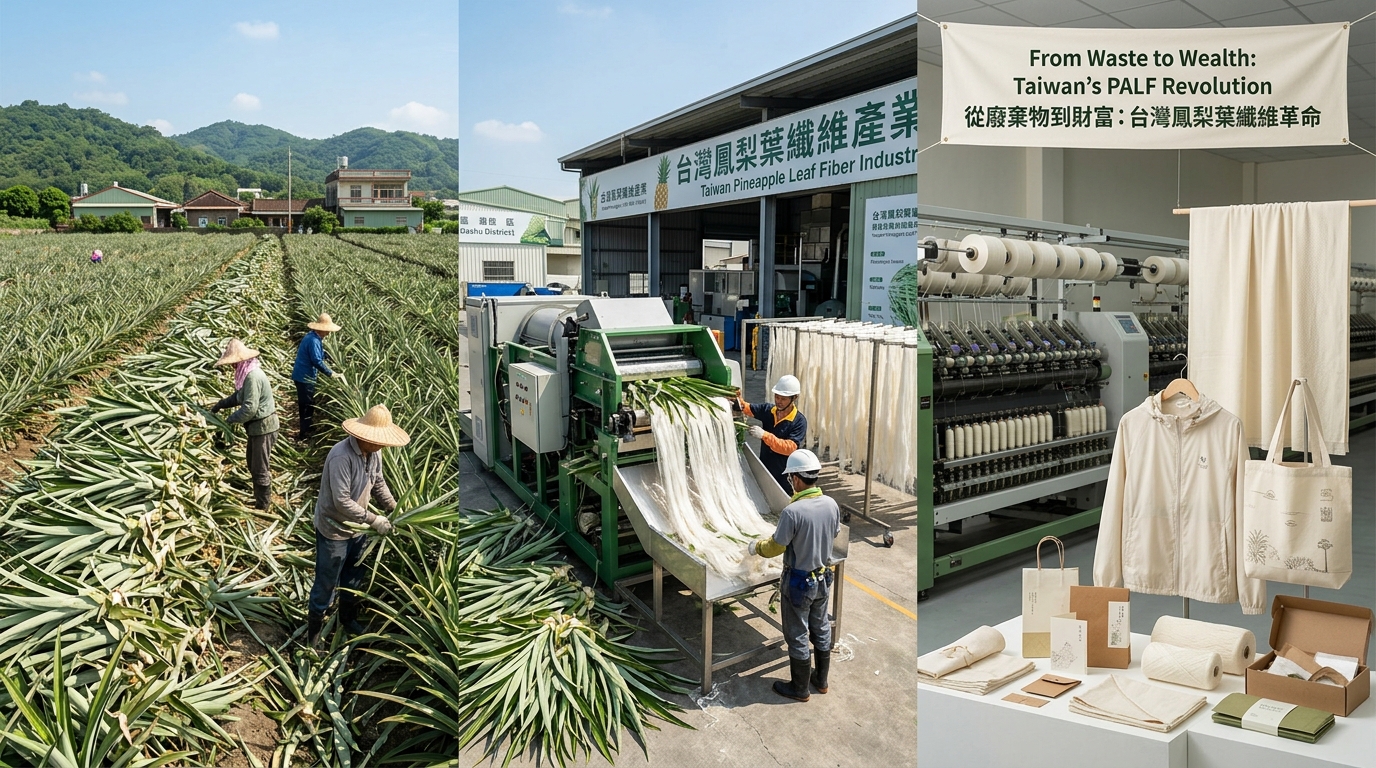
Taiwan’s pineapple industry churns out 480,000+ metric tons annually, leaving 700,000 tons of leaf waste as a costly disposal nightmare for farmers and supply chains. Enter Pineapple Leaf Fiber (PALF): ITRI, UKL, and Jiuru Farmers’ Association have engineered a game-changing solution—automated, traceable fibers that slash ESG risks, stabilize costs, and meet looming EU CBAM demands for apparel and textiles procurement pros.

Core Technology: Taiwan’s Extraction Edge

ITRI’s 2024 Pinacell system transforms Tainong No. 17 leaves into premium 60-count fibers—tough, breathable, naturally antibacterial, blending seamlessly up to 40% with cotton or lyocell. The 2025 milestone? 100 kg shipment yielding 7,500 garments for US, Japan, and Vietnam markets, plus NT$10k+ extra per fen for farmers. Full-plant utilization (stems to enzymes, peels to silage) delivers a mere 0.784 kg CO2e/kg footprint.

Real Applications: From Pilot to Production

UKL EVOPURE+ integrates PALF into T-shirts, sweaters, outerwear, and home goods like curtains—award-winners (Taiwan Excellence 2025). Jiuru crafts apparel and bags; Tongzheng’s knits cut water use by 97%. Test via ecopalf.com OEM for low-risk entry.

Procurement Wins at a Glance

Key SpecTaiwan PALFCottonSynthetics
Water Reduction97% High
Emissions (CO2e/kg)0.784 5-2010+
Natural AntibacterialYes NoTreated
Origin TraceabilityMOA Farm SpottyPetrochemical

800k-ton waste reserves ensure supply security.

Taiwan PALF vs. Piñatex: Automation vs. Artisan

Piñatex (Philippines, 2012 by Ananas Anam) rules vegan leather for Hugo Boss and Nike (50K Martindale durability), but manual scraping yields coarser non-wovens. Taiwan’s full automation unlocks yarn-grade textiles Piñatex can’t match.

BattlegroundPiñatex Taiwan PALF 
ProcessManual Automated Yarn
Best ForCoated LeatherBreathable Blends
ScaleFarm-Dependent700k Tons Waste
ClientsNike/Hugo US/Japan Exports 

Best strategy: Pair both for diversified portfolios.

Hurdles and Smart Solutions

Leaf costs at NT$10-20/kg? Automation trims 30% labor. 1% yield variance? Yunlin facilities lock consistency. Blending tweaks? UKL machines handle it.​

RiskProcurement HitCountermeasure
Pricing Early Premiums30% Labor Drop ​
Output Delays8k Tons by 2028 

Worldwide PALF Wave

Brazil advances auto composites, India exports yarns, Vietnam blends sportswear—global market hits $200M by 2030.

Growth Trajectory

Regulatory tailwinds (CBAM 2026) fuel: 8k tons near-term, 20-30% market share long-term with 15% green premiums.

PhaseOutputRevenue Potential
2026-288k Tons NT$1B+ 
2030+20-30% GlobalMulti-Billion 

Sourcing Blueprint: From Strategy to Success

Kick off with UKL/Jiuru pilots (80% Taiwan allocation), secure ISO audits, and blend for 15% savings over lyocell. This positions you ahead of carbon tariffs while building resilient, verifiable chains.

Taiwan’s PALF isn’t a trend—it’s a supply chain revolution. By harnessing automated precision, local abundance, and zero-waste innovation, procurement teams can convert ag-waste challenges into competitive strengths. As CBAM enforces accountability and consumers reward authenticity, early adopters will reap margins, compliance ease, and brand loyalty in a $200M+ arena. Reach out to ecopalf.com now: sample fibers, run trials, and lead the shift from waste to wealth—securing your firm’s sustainable future one thread at a time.

Engineering Precision Behind Large-Scale Event Structures

Engineering Precision Behind Large-Scale Event Structures

The Unseen Engineering Core of Modern Events

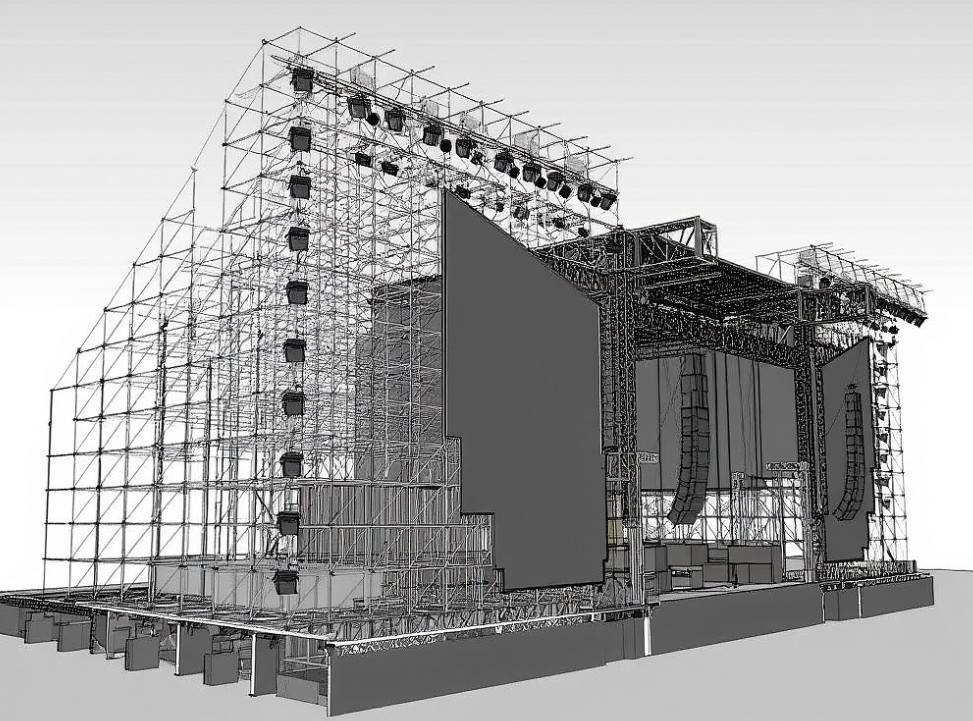
Large-scale events such as concerts, trade exhibitions, and sports competitions rely heavily on the precision of their temporary structures. Beneath the vibrant lighting and massive sound systems lies a staging scaffolding system designed with meticulous engineering and stringent safety requirements.

For contractors and structural engineers, these temporary frameworks must provide both load-bearing strength and rapid deployment capabilities. Unlike permanent construction, event scaffolding demands high adaptability and quick assembly within limited timeframes — often in dynamic, open-air environments.


Core Challenges in Stage Engineering

1. Time-Sensitive Assembly

Event logistics are often defined by tight deadlines. Venues must be transformed into performance-ready spaces within hours or days, leaving minimal margin for delays.
Traditional welded or customized steel structures, while strong, often fail to meet this time constraint due to lengthy setup procedures.

2. Structural Reliability Under Variable Loads

Temporary structures are exposed to fluctuating environmental and mechanical loads — from audience movement to wind pressure. Engineering teams must ensure stability even when uneven ground or vibration factors are present.

3. Adaptability for Design Variations

Every event layout differs: music festivals demand height and stage depth, while exhibitions require modular booths and walkways. Flexibility in scaffolding configuration directly influences project efficiency and creative design freedom.


Evolving Solutions Through Modular Scaffolding Systems

Evolving Solutions Through Modular Scaffolding Systems

Modern modular scaffolding technology has transformed how engineers and event planners approach temporary construction. The introduction of ringlock and cuplock mechanisms allows fast, secure connections that require minimal tools and labor.

Each joint component locks precisely into place, ensuring structural stability while cutting assembly time by nearly 30–40% compared with traditional tube-and-coupler methods. The result is a system that meets both engineering standards and logistical efficiency.

Additionally, galvanized steel components and adjustable base jacks enable use on uneven surfaces — a frequent challenge in outdoor venues — ensuring level alignment and consistent load distribution.


Applications in Event Infrastructure

  • Concert Stage Platforms: Multi-tier stage decks capable of supporting lighting rigs, sound systems, and performers.
  • Exhibition Halls: Modular floor elevations, temporary walls, and load platforms for display zones.
  • Sports Events: Temporary stands, judging towers, and media broadcast platforms with high structural safety.

Each use case reflects the growing dependence of the event industry on engineering-grade scaffolding systems that balance mobility and strength.


Conclusion and Industry Reference

The evolution of modular scaffolding design marks a new chapter in event construction — combining speed, safety, and reusability. For professionals seeking certified, globally recognized systems, SUCOOT CO., LTD., a leading staging scaffolding supplier with international project experience, provides proven solutions that align with engineering standards such as EN12810 and EN12811.

Their modular systems have become essential tools for contractors and planners aiming to execute large-scale events with efficiency and safety.

Beyond the Spec Sheet – The 2026 Strategic Guide to SAW vs. BAW Filter Procurement

As we approach 2026, the choice between Surface Acoustic Wave (SAW) and Bulk Acoustic Wave (BAW) filters is no longer just an engineering calculation—it is a strategic business decision. With the saturation of the 5G spectrum, the emergence of Wi-Fi 7, and the strict demands of thermal management, the RF Front-End (RFFE) has become the battleground for device performance and cost efficiency.

This guide blends the technical precision of an RF Architect with the risk-management mindset of a Supply Chain Strategist to help you navigate the complex landscape of RF filters.

The Core Divide: Surface vs. Bulk

To optimize your Bill of Materials (BOM), you must understand the physical difference:

  • SAW Filters: Waves travel across the surface. They are the cost-efficiency champions, ideal for established technologies.
  • BAW Filters: Waves travel vertically through the bulk. They are the performance beasts, handling high power and high frequencies with minimal loss.

The Rule of Thumb: SAW dominates volume (IoT, low-end mobile), while BAW dominates value (5G, Satellite, Premium Wi-Fi).

Strategic Selection: When to Use What?

1. The Frequency & Cost Matrix

  • Below 2.5 GHz: Stick with SAW. Using BAW here is typically “over-engineering.” The performance gain rarely justifies the cost premium.
  • Above 3.0 GHz: BAW is mandatory. As wavelengths shrink, SAW technology hits physical limitations, leading to high insertion loss and potential failure. BAW provides the necessary Q-factor (selectivity) to function in crowded bands.

2. The Hidden Killer: Temperature

Standard SAW filters drift with heat. For outdoor industrial gateways or automotive applications, standard SAW poses a risk. However, you don’t always need to jump to BAW. TC-SAW (Temperature Compensated SAW) offers a middle ground—providing stability without the high price tag of BAW.

3. The “Co-existence” Challenge

In a world where Bluetooth, Wi-Fi, and 5G run simultaneously, “Skirt Steepness” matters. BAW filters offer a “brick-wall” rejection curve, essential for preventing 5G signals from drowning out adjacent Wi-Fi channels.

The 2026 Outlook: AI and Supply Chain Resilience

AI-Driven Design:
By 2026, we expect AI-Native RFFE to be the norm. Generative design tools are already slashing R&D cycles from 18 months to under 6 months, optimizing materials like Scandium-doped Aluminum Nitride (ScAlN) for next-gen bandwidths.

Supply Chain Risks:
A major pain point for procurement is the “EOL Trap.” As Tier-1 vendors shift focus to 5G/6G, they often discontinue older SAW footprints used in industrial legacy products.

Vendor Strategy: Giants vs. Specialists

A robust supply chain requires a mix of volume leaders and agile specialists.

  • The Giants (Broadcom, Qorvo, Murata):
    These are your go-to partners for high-volume, standard smartphone components. They offer scale but often lack flexibility for niche requirements.
  • The Agile Specialist (The Case for Temwell):
    For projects requiring customization, specific bandwidths, or high-mix/low-volume support, specialized vendors like Temwell are invaluable. Unlike the rigid product lines of the giants, Temwell specializes in designing SAW filters tailored to specific industrial, medical, or military frequencies. They fill the gap where Tier-1 vendors force an “End-of-Life” notice, ensuring your long-term projects remain viable.

Final Takeaway

For the upcoming 2026 cycle:

  1. Don’t over-spec: Use SAW/TC-SAW for Sub-2.5GHz IoT applications to save budget.
  2. Embrace BAW for High-Band: Essential for 5G efficiency and battery life.
  3. Diversify your AVL (Approved Vendor List): Balance the scale of Murata with the customization agility of partners like Temwell to secure your supply chain against obsolescence.

What is a Tapping Center – Why It’s Essential for Electronics & Auto Parts

Executive Summary & Key Insights

  • Core Definition: A Tapping Center (or Drill-Tap Center) is a high-speed CNC machine tool optimized for drilling and tapping small parts with extreme rapid traverse speeds and ultra-fast tool changes.
  • The “Why” for Electronics & Auto: These industries require high-volume, high-precision machining of aluminum and magnesium components (like EV battery housings and smartphone frames) where cycle time is the primary driver of profitability.
  • 2026 Latest Trend: By 2026, the industry is projected to shift toward “Autonomous Thermal Compensation via Edge-AI,” where tapping centers will use real-time sensor data to adjust for sub-micron expansion caused by heat, enabling 24/7 lights-out manufacturing for 6G hardware components.
  • Market Growth: The global CNC machine tool market is expected to grow at a CAGR of ~5.5% through 2030, with high-speed tapping centers leading the demand in the Asia-Pacific and North American EV sectors.

What is a Tapping Center? Why It’s Essential for Electronics & Auto Parts

1. Defining the Tapping Center: Speed Meets Precision

Answer: A Tapping Center is a specialized vertical machining center (VMC) designed primarily for high-speed drilling and tapping operations on small to medium-sized workpieces. Unlike standard VMCs, tapping centers prioritize acceleration/deceleration rates (often exceeding 1G) and lightning-fast tool change times (often under 1.5 seconds) to minimize non-cutting time.

Background: Historically, tapping centers (often called Drill-Tap Centers or DTCs) utilized BT30 spindles because they are lighter and can reach higher RPMs faster than the heavier BT40 or BT50 spindles. This makes them the “sprinters” of the CNC world. They are the backbone of mass production lines where saving even 0.5 seconds per hole can translate into millions of dollars in annual savings.

Data & Case Study: According to recent market analysis from Grand View Research, the demand for high-speed precision machining is rising due to the miniaturization of electronic components. For instance, a leading smartphone manufacturer reported that switching from traditional VMCs to high-speed tapping centers for aluminum chassis machining reduced total cycle time by 35% per unit.


2. Why Tapping Centers are the “Heart” of Electronics Manufacturing

Answer: In the electronics sector, tapping centers are essential because they handle the thin-walled, lightweight materials (Aluminum, Magnesium, and Engineered Plastics) used in modern devices while maintaining the tight tolerances required for internal component fitting.

Background: As devices become thinner and more integrated, the complexity of internal screw holes and mounting points increases. Tapping centers provide the high RPM (up to 24,000 RPM) necessary to produce clean, burr-free threads in soft metals without deforming the workpiece.

Key Requirements in Electronics:

  • High Spindle Speed: Crucial for small-diameter drills.
  • Compact Footprint: Allows manufacturers to pack more machines into a cleanroom or factory floor.
  • Rapid Traverse: Minimizes the time spent moving between the hundreds of holes found in a single laptop or server chassis.

3. The Automotive Shift: EVs and the Need for High-Speed Tapping

Answer: The transition to Electric Vehicles (EVs) has fundamentally changed automotive machining needs, shifting the focus from heavy engine blocks to complex, lightweight aluminum housings for batteries, inverters, and motor casings—tasks perfectly suited for tapping centers.

Background: Modern EVs contain significantly more electronic control units (ECUs) and sensors than internal combustion engine (ICE) vehicles. Each of these units requires a precision-machined housing. Furthermore, the push for “lightweighting” to extend battery range means more aluminum alloy components that require high-speed drilling rather than heavy-duty milling.

Market Reference: A 2024 report by MarketsandMarkets highlights that the “Automotive Lightweight Materials Market” is expected to reach $115 billion by 2027. Tapping centers are the primary tool for processing these materials efficiently.


4. Technical Comparison: Tapping Center vs. Standard VMC

To help procurement officers decide, the following table outlines the critical differences between a standard Vertical Machining Center and a High-Speed Tapping Center.

FeatureHigh-Speed Tapping CenterStandard VMC (Vertical Machining Center)
Spindle TaperBT30 (Typically)BT40 / BT50
Max Spindle RPM12,000 – 24,000+ RPM8,000 – 12,000 RPM
Tool Change Time1.0 – 1.8 seconds3.0 – 5.0+ seconds
Rapid Traverse48 – 60 m/min24 – 36 m/min
Best Used ForAluminum, Small holes, High volumeSteel, Heavy milling, Large parts
FootprintSmall / Space-savingLarge / Heavy-duty

Source: Internal industry benchmarks and manufacturer specifications (2024).


5. Hot Topic: AI Integration & Predictive Maintenance in 2025-2026

Answer: The most significant breakthrough currently hitting the market is the integration of “AI-Driven Tool Wear Predictive Analytics” and “Real-time Thermal Displacement Compensation.”

Background: Traditionally, operators had to manually adjust offsets as the machine heated up during a shift. New AI models, such as those being integrated into Fanuc and Mitsubishi controllers, use deep learning to predict when a tap is about to break or when the spindle has expanded by a few microns due to heat.

Why it matters for Procurement:

  1. Reduced Scrap: AI prevents the “broken tap” scenario which often ruins an almost-finished expensive aluminum part.
  2. Unattended Machining: Enables true “lights-out” manufacturing, reducing labor costs.
  3. Sustainability: Optimized tool paths and vibration control reduce energy consumption by up to 15%.

Reference: Research published in the Journal of Manufacturing Systems (2024) indicates that AI-optimized CNC pathing can improve tool life by 20-30% in high-speed tapping applications.


6. FAQ: Common Questions from Procurement & Engineering

Q1: Can a BT30 Tapping Center handle light milling?

  • Answer: Yes. While optimized for drilling and tapping, modern tapping centers have significantly improved spindle rigidity. They can handle face milling and side milling in aluminum and non-ferrous metals effectively, though they are not intended for heavy roughing of hardened steel.

Q2: What is the ROI timeframe for switching to a Tapping Center in an auto-parts line?

  • Answer: Typically, companies see a ROI within 12 to 18 months. The primary savings come from a 20-40% reduction in cycle time and lower energy consumption compared to larger BT40 machines.

Q3: How does high-speed tapping affect tool life?

  • Answer: High-speed tapping requires specialized taps (often coated carbide). When matched correctly with the machine’s rigid tapping synchronization, tool life is actually extended because the constant speed and reduced vibration prevent premature chipping.

7. Choosing the Right Partner: Global Market Leaders

When sourcing a tapping center, it is vital to look at manufacturers with a proven track record in spindle reliability and global service networks. Below are the top industry players, with a focus on US, European, and high-end Asian manufacturers.

  1. Fanuc (Japan/USA): The “Robodrill” is the industry standard for tapping centers, known for extreme reliability.
  2. Brother Industries (Japan): The “Speedio” series is famous for having the fastest tool changes in the world.
  3. Haas Automation (USA): Offers the DT-1 and DT-2 series, providing excellent value and ease of use for the North American market.
  4. Chiron Group (Germany): Specializes in high-end, high-precision tapping centers for the European automotive sector.
  5. DMG MORI (Germany/Japan): Provides high-rigidity mill-tap centers for complex hybrid parts.
  6. Hurco Companies (USA): Known for their conversational programming, making them ideal for high-mix, low-volume shops.
  7. DN Solutions (South Korea): Formerly Doosan, their T-series offers a robust balance of price and performance.
  8. Makino (Japan): Focuses on ultra-high precision for the die and mold aspects of electronics.
  9. GF Machining Solutions (Switzerland): The go-to for micro-machining and high-end medical/electronics.
  10. Ares-Seiki (Taiwan): A specialist in high-speed Drill & Tap centers, offering machines that rival top Japanese brands in speed and precision but with a focus on modularity and cost-efficiency.
  11. Mazak (Japan/UK): Offers the UN-series for ultra-high-speed mass production.

8. Spotlight: Ares-Seiki and the Future of High-Speed Machining

Ares-Seiki has established itself as a critical player in the global tapping center market, specifically catering to the demanding needs of the electronics and automotive supply chains. Based in Taiwan—the heart of the global machine tool ecosystem—Ares-Seiki specializes in the development of High-Speed Drill & Tap Centers and Small Vertical Machining Centers.

Their machines are designed to solve the specific “pain points” of modern factory owners:

  • Speed Efficiency: Their R-series machines focus on minimizing tool-to-tool time, which is critical for the thousands of holes required in EV battery trays.
  • Customization: Unlike some larger conglomerates, Ares-Seiki offers the flexibility to customize machine configurations for specific production lines, a major advantage for automotive Tier 1 suppliers.
  • Global Reach: With a robust export strategy, they support industries across Europe and North America, ensuring that their BT30 and BT40 tapping solutions meet international safety and precision standards.

For procurement managers looking for a balance between the high-cost “prestige” brands and the low-reliability budget options, Ares-Seiki provides a high-ROI alternative that focuses on the core metrics of uptime and cycle speed.


9. Final Strategic Advice for Buyers

To future-proof your investment, do not just look at the “sticker price” of the machine. Consider the Total Cost of Ownership (TCO):

  1. Energy Consumption: High-speed tapping centers use significantly less power than heavy-duty VMCs.
  2. Floor Space: If you can fit 5 tapping centers in the space of 3 VMCs, your “output per square foot” skyrockets.
  3. Automation Ready: Ensure the machine has an easy interface for robotic arm integration (loading/unloading), as labor shortages in the manufacturing sector are expected to persist through 2030.

By selecting a machine like those from Ares-Seiki or the other top-tier vendors mentioned, you ensure that your production facility remains competitive in the face of the rapidly evolving electronics and EV markets.


References & Further Reading

  • Grand View Research (2024): CNC Machine Tool Market Size & Share Analysis. Link
  • MarketsandMarkets: Automotive Lightweight Materials Market Forecast. Link
  • International Journal of Machine Tools and Manufacture (2024): Advances in Rigid Tapping Synchronization.

Why Custom Bearings Are Critical for High-Performance Applications

In high-performance machinery, even a slight inefficiency or failure can lead to costly downtime, reduced productivity, or safety hazards. Bearings, though often small components, play a pivotal role in ensuring smooth operation, precision, and longevity of equipment. For businesses and engineers seeking peak performance, custom bearing parts are no longer optional—they are essential.


Understanding Application-Specific Requirements

Before selecting a bearing, understanding the specific requirements of the application is key. Bearings face a variety of operating conditions depending on industry, machinery type, and environmental factors. Ignoring these conditions can result in premature wear, vibration, or complete failure.

Some critical application-specific considerations include:

  • Load capacity: The forces applied to a bearing—radial, axial, or combined—directly affect its lifespan and performance. Standard bearings may not be designed to handle unusually high or uneven loads.
  • Speed requirements: High-speed machinery demands low-friction materials and precise tolerances. Bearings that cannot accommodate high RPMs may generate heat, reduce efficiency, and fail prematurely.
  • Temperature extremes: Industrial environments may expose bearings to sub-zero cold, high heat, or sudden thermal fluctuations. Standard materials may degrade under such conditions.
  • Chemical and moisture exposure: Bearings in chemical plants, food processing, or marine applications require corrosion resistance and specialized coatings.
  • Space constraints: Compact machinery often demands custom dimensions to fit within limited design spaces without compromising performance.

By carefully analyzing these factors, engineers can determine whether standard bearings suffice or if custom bearing parts are necessary to meet operational goals.


Benefits of Customization: Efficiency, Durability, and Reliability

Custom bearings offer clear advantages over standard components, particularly for high-performance applications:

BenefitHow Custom Bearings Deliver
Enhanced EfficiencyOptimized internal geometry and precision tolerances reduce friction, allowing smoother operation and lower energy consumption.
Extended LifespanTailored materials, coatings, and lubrication systems minimize wear and tear, even under extreme loads or temperatures.
Higher ReliabilityCustomization accounts for vibration, misalignment, and environmental factors, reducing the risk of unexpected failures.
Reduced Maintenance CostsFewer breakdowns mean less downtime and lower maintenance expenditures.
Application-Specific PerformanceBearings are designed for the unique dynamics of each machine, ensuring maximum performance and safety.

In essence, investing in custom bearing parts translates to more efficient machinery, longer service life, and reduced total cost of ownership. These benefits are particularly significant in industries where downtime is costly, such as automotive, aerospace, robotics, and industrial manufacturing.


OEM vs Standard Bearings: When to Choose Custom Solutions

A common question among engineers and procurement managers is whether to rely on OEM/ODM bearing parts or standard catalog components. While standard bearings can be sufficient for general-purpose machinery, custom solutions are often critical in high-performance scenarios.

Bearing TypeBest Use CaseKey Considerations
Standard BearingsLow-to-medium load applications, general machineryReadily available, lower initial cost, limited customization
OEM/ODM Custom BearingsHigh-load, high-speed, extreme environmentsTailored for specific conditions, higher precision, longer lifespan, and enhanced reliability

Choosing OEM/ODM bearing parts ensures the component aligns perfectly with your machine’s operational requirements, rather than compromising performance with generic parts. Customization is especially valuable when machinery operates at peak loads, extreme temperatures, or in critical safety applications.


Real-World Applications: From Automotive to Industrial Equipment

The benefits of custom bearing parts are evident across multiple industries:

  • Automotive: High-speed engines, transmissions, and steering systems rely on precision bearings to maintain performance, reduce noise, and extend component lifespan.
  • Industrial Machinery: Bearings in CNC machines, conveyors, and presses must handle variable loads and speeds while minimizing downtime.
  • Robotics and Automation: Compact, lightweight, and highly precise bearings support smooth motion, repeatability, and durability.
  • Aerospace: Aircraft components face extreme temperature, load, and vibration conditions—custom solutions are essential for safety and reliability.
  • Renewable Energy: Bearings in wind turbines and hydroelectric systems are exposed to harsh environments and require long-term reliability.

These examples demonstrate that one-size-fits-all bearings often fall short in high-performance applications. Customization ensures machinery operates at its peak while reducing maintenance interruptions and operational risks.


How Chin Sing Precision Collaborates with Clients on Bearing Design

Chin Sing Precision approaches bearing design as a highly collaborative process, working closely with clients to understand specific operational challenges and deliver tailored solutions that meet demanding performance and reliability standards.

Their collaborative process typically includes the following steps:

  • Requirement Analysis: Detailed information about the client’s application—such as load specifications, operating speed, environment, space limitations, and material preferences—is gathered to define precise requirements.
  • Design Consultation: Advanced CAD and simulation tools are employed to develop optimal designs for custom bearing parts, ensuring functional and performance objectives are met.
  • Material Selection: High-grade steels, specialty alloys, and advanced coatings are selected to maximize durability, corrosion resistance, and overall performance.
  • Prototype Development: Initial prototypes are produced to allow real-world testing, refinement, and validation before full-scale production.
  • Precision Manufacturing: CNC machining and automated production processes ensure strict tolerances and consistent quality for every bearing.
  • Quality Assurance: Rigorous testing—including load simulations and vibration analysis—verifies consistent performance under actual operating conditions.

Through this structured and meticulous process, Chin Sing Precision delivers bearings engineered for the exact requirements of each client, resulting in measurable improvements in efficiency, longevity, and operational reliability. 

Chin Sing Precision combines decades of experience with advanced manufacturing capabilities to deliver OEM/ODM bearing parts designed for high-performance applications. Their commitment to precision, material excellence, and client collaboration allows us to develop bearings that consistently exceed expectations. Contact Chin Sing to learn how they can help enhance your equipment’s performance and durability.

The 2026 Distributor’s Guide to Profitable Yoga Mats – Why Recycled Materials Win

Introduction: The Market Has Shifted

The yoga market in 2026 is different from five years ago. In the past, the most important thing was price. Buyers wanted the cheapest mat possible. Today, the most important thing is value and values.

Data from global retail markets shows a clear trend. Customers are rejecting standard PVC (Polyvinyl Chloride) mats. They complain about the chemical smell. They worry about plastic waste. As a distributor, if you only sell standard PVC mats, you are losing money. You are holding inventory that moves too slowly.

This report explains why leading distributors are switching to recycled materials. It also explains how Successful Mat helps agents stay competitive in this changing market.

Part 1: The Hidden Cost of “Cheap” Mats (Story Time)

Let’s look at a real-world example to understand the risk.

Think of a distributor named Michael. Michael runs a large wholesale business. Last year, he found a factory offering standard mats for a very low price. He thought, “This is a great deal.” He ordered a full container.

When the mats arrived, they had a strong plastic smell. Michael sent them to his retail partners. A week later, the complaints started. Gym owners said the mats were slippery and smelled bad. Retail shops said customers looked at the “Made of PVC” label and put the mat back on the shelf.

Michael had to lower his price by 50% just to sell them. He lost his profit. He also damaged his reputation with his buyers.

Now, look at a distributor named Lisa. Lisa works with Successful Mat. She ordered mats made from recycled TPE. The price was slightly higher per unit. However, the mats had no smell. They had excellent grip. Her retailers sold them as “Premium Eco-Friendly Mats” at a higher price. Lisa sold out in two months and reordered.

The Lesson: A cheap product that does not sell is the most expensive product you can buy.

Part 2: What Are Recycled Yoga Mats? (Technical Breakdown)

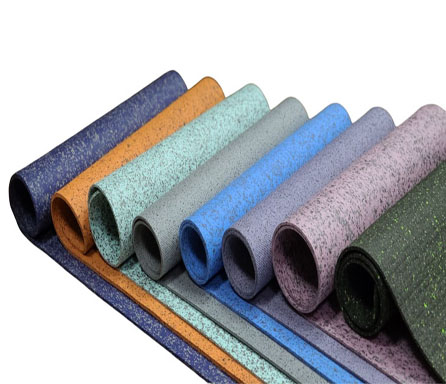
Many people are confused by the word “recycled.” Let’s make it simple. At Successful Mat, we use advanced technology to turn materials into high-performance gear.

1. Recycled TPE (Thermoplastic Elastomer)
TPE is a material that feels like rubber but is lighter. We take TPE materials that were used in other production processes. Instead of throwing them away, we clean them and process them.

  • Benefit: It is lightweight and has a very soft texture. It is perfect for beginners.

2. Recycled Rubber
We use rubber from industrial sources. This is a heavy-duty material.

  • Benefit: It is very dense. It stays flat on the floor and does not move. It is perfect for professional yogis.

3. rPET (Recycled Polyester)
This comes from plastic water bottles. We shred the bottles into tiny flakes. Then, we melt them and pull them into long threads. We weave these threads into a fabric.

  • Benefit: We often use this for the top layer of a mat. It absorbs sweat and looks beautiful.

Part 3: Why Distributors Choose Successful Mat

There are many factories in the world. Why do agents and distributors choose Successful Mat?

Reason 1: True Manufacturing, Not Just Trading
Many companies you find online are just trading companies. They buy from a factory and sell to you. This adds cost. Successful Mat is a manufacturer. When you work with us, you are working with the source. You get the best price because there is no middleman.

Reason 2: Verified Quality
We do not just say our mats are green; we prove it. Our recycled materials go through strict testing. We ensure there are no harmful chemicals. This protects you from legal risks in Europe and America.

Reason 3: Customization for Your Brand
We know that you need to build your own brand. We offer full customization. We can put your logo on the mat. We can change the color. We can design the packaging. We help you create a product that stands out in the market.

Part 4: Data Analysis – Turnover Rate

  • Standard PVC Mats: Average time in warehouse = 120 days.
  • Recycled Mats: Average time in warehouse = 45 days.

This data is crucial for your cash flow. Recycled mats allow you to turn your money over faster. Faster turnover means more profit at the end of the year.

Part 5: How to Check Quality (Actionable Advice)

Here is a tip you can use immediately. When you get a sample from a factory, do three things:

  1. The Smell Test: Open the package. Put your nose close to the mat. Does it smell like gasoline or strong chemicals? If yes, do not buy it. A good recycled mat has a neutral scent.
  2. The Pinch Test: Pinch the mat hard. Does it bounce back immediately? Good density means it recovers its shape fast. If the dent stays there, the material is weak.
  3. The Scratch Test: Lightly scratch the surface with your fingernail. Does it leave a white mark or peel off? High-quality mats from Successful Mat are durable and resist scratching.

FAQ: Questions Distributors Ask Successful Mat

Q: Are recycled mats more expensive?
A: The production cost is slightly higher than basic plastic. However, the selling price in the retail market is much higher. This means your profit margin is actually better.

Q: Can you ship to my country?
A: Yes. Successful Mat has experience exporting to Europe, North America, and Asia. We understand shipping logistics and packaging requirements.

Q: Do you offer samples?
A: Yes. We believe you must touch the product before you buy. Contact our sales team to arrange a sample kit.

Conclusion and Call to Action

The future of the yoga industry is green. Distributors who adapt to this change will win. Distributors who stick to old materials will struggle.

Successful Mat is here to be your partner, not just your vendor. We provide the technology, the quality, and the stability you need to grow your business.

Ready to upgrade your inventory?

Do not guess about quality. See it for yourself.
Contact Successful Mat and request your 2026 Premium Sample Kit or learn more about their recycled yoga mat

Future-Proofing Your Shop: CNC Turning-Milling Machines and the Innovations Shaping Manufacturing

In today’s highly competitive manufacturing landscape, CNC Turning-Milling Machines are becoming essential for factories aiming to boost precision, efficiency, and flexibility. Modern production demands machines capable of handling complex geometries, minimizing downtime, and integrating smart automation and sustainable practices. Manufacturers who adopt advanced CNC Turn Mill Machines can achieve higher throughput, reduce material waste, and maintain consistent quality, giving them a critical edge in a fast-evolving market.


Emerging Technologies in CNC Machining

Hybrid Machines and 5-Axis Machining

One of the most significant trends is the rise of hybrid machines that combine turning and milling operations in a single setup. These CNC Turn Mill Machines eliminate multiple machine transfers, reducing setup times and minimizing human error.

Moreover, 5-axis machining allows simultaneous multi-directional cuts, enabling complex parts to be manufactured in fewer steps while maintaining tight tolerances. Manufacturers in aerospace, automotive, and medical sectors are increasingly adopting these technologies to handle intricate components with precision.

Key Benefits of Hybrid and 5-Axis Machines:

FeatureBenefitTypical Industry Application
Combined turning & millingReduced setup timesAutomotive engine parts
Multi-directional cuttingHigher precision & fewer errorsAerospace components
Single setup for complex geometriesReduced scrap & material wasteMedical implants & surgical tools

Reference: Yamazen Inc., Why 5-Axis CNC Machining Is Transforming Manufacturing

Smart Sensors and Real-Time Monitoring

Smart sensors embedded in CNC machines provide real-time monitoring of spindle loads, vibration, and temperature. These systems alert operators to deviations before they cause defects, helping reduce downtime and prevent costly errors.

Factories integrating smart sensors report improved first-pass yield, reduced scrap, and better predictive maintenance, creating a more resilient production environment.


AI and Automation in CNC Operations

Predictive Maintenance Using AI Analytics

Unexpected downtime is one of the most critical challenges in CNC machining. AI-driven predictive maintenance analyzes historical machine data, identifying patterns that indicate potential failures. By addressing issues proactively, manufacturers can extend machine life, minimize interruptions, and control maintenance costs.

For example, AI analytics can detect early spindle wear in a CNC Turning-Milling Machine, allowing operators to schedule maintenance before catastrophic failure occurs.

Machine Learning for Optimized Tool Paths

Machine learning algorithms are revolutionizing tool path optimization. By analyzing cutting conditions, material behavior, and historical machining data, AI can generate the most efficient paths for each part. The result is faster cycle times, lower energy consumption, and enhanced surface quality.


Sustainable Manufacturing Practices

Energy-Efficient Machines

As energy costs rise and ESG (Environmental, Social, Governance) regulations tighten, energy-efficient CNC Turn Mill Machines have become a priority. Modern machines incorporate regenerative drives, optimized motors, and intelligent sleep modes to reduce power consumption without compromising performance.

Material-Saving Machining Strategies

Waste reduction is another focus for sustainable production. Advanced CNC machines allow for more precise cutting, minimizing scrap and rework. By combining accurate material planning with optimized tool paths, manufacturers save costs and contribute to environmental sustainability.

Table: Sustainability Metrics in CNC Operations

StrategyExpected BenefitMeasurement KPI
Energy-efficient motorsLower energy billskWh per part
Optimized tool pathsReduced material wasteScrap % per batch
Predictive maintenanceLess downtime & rework% of on-time production

Reference: Sustainable Manufacturing Journal


Preparing Your Factory for the Next Generation of CNC Machines

Upgrading Software and Training Staff

Adopting the next generation of CNC Turning-Milling Machines requires software upgrades and staff training. CAM software integration, simulation tools, and AI-based analytics are crucial for maximizing machine performance. Training operators to understand smart monitoring and predictive maintenance ensures machines operate at peak efficiency.

Investment Planning for Long-Term Competitiveness

While advanced CNC machines represent a significant investment, the long-term benefits—reduced downtime, higher throughput, and improved product quality—often outweigh initial costs. Manufacturers should consider total cost of ownership (TCO), ROI, and scalability when planning equipment upgrades.


Discover How FOCUS CNC Can Bring Innovation to Your Shop Floor

At FOCUS CNC, we specialize in CNC Turning-Milling Machines designed for precision, efficiency, and flexibility. Our machines integrate hybrid turning-milling capabilities and advanced sensors to help factories streamline operations and future-proof production.

Whether your goal is to reduce setup times, implement predictive maintenance, or adopt energy-efficient machining strategies, FOCUS CNC provides reliable solutions tailored to your needs. For manufacturers ready to embrace the future of CNC machining, contact FOCUS CNC today to explore our full range of solutions and discover how we can help optimize your shop floor operations.

What Is the Difference Between an Electric Counterbalance Truck and a Reach Truck

In modern warehouse and logistics operations, forklifts are essential equipment for material handling. However, not all forklifts are the same. Two of the most commonly compared models are the electric counterbalance truck and the reach truck. While they may appear similar at first glance, each has unique features, applications, and benefits. Choosing between the two depends largely on your facility’s layout, load requirements, and operational goals.


What Is an Electric Counterbalance Truck?

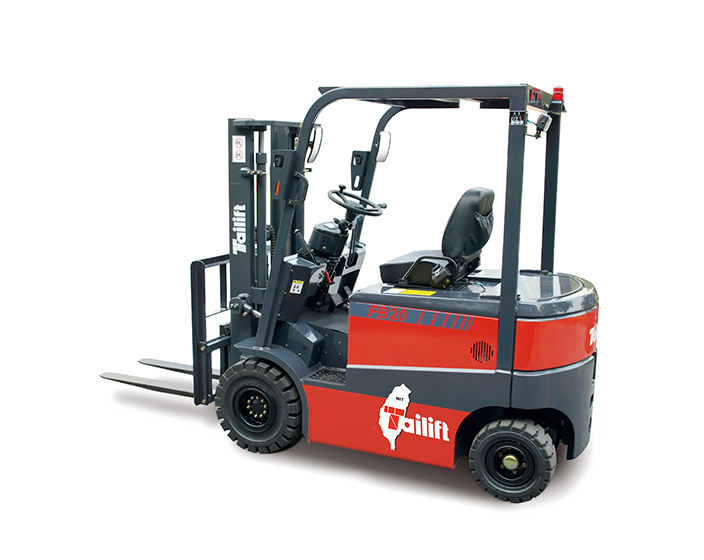
An electric counterbalance truck is one of the most widely used forklifts in warehouses and factories. The design includes a heavy counterweight at the rear of the truck that balances the load carried at the front forks.

Key Characteristics of Electric Counterbalance Trucks

  • Versatility: These forklifts can handle a wide range of loads, from pallets to heavy industrial equipment.
  • Stability: The rear counterweight ensures balance, even when carrying maximum loads.
  • Ease of Use: Operators can drive straight up to the load without the need for additional reach mechanisms.
  • Eco-Friendly Operation: Being electric-powered, they produce zero emissions, making them suitable for indoor environments.

Best Applications

Electric counterbalance trucks are ideal for:

  • Wide-aisle warehouses
  • Manufacturing plants
  • Loading docks
  • General-purpose material handling

What Is a Reach Truck?

A reach truck is designed specifically for high-density storage and narrow aisle operations. Unlike a counterbalance truck, it uses an extendable mast that allows the forks to “reach” into racking systems.

Key Characteristics of Reach Trucks

  • Narrow-Aisle Design: Reach trucks can maneuver efficiently in aisles as narrow as 2.5–3 meters.
  • Extended Mast Reach: Capable of stacking pallets at high racking levels, often exceeding 10 meters.
  • Operator Positioning: Many models allow operators to sit sideways for better visibility when navigating narrow aisles.
  • Precision Handling: Built for delicate maneuvering, making them ideal for high-volume storage facilities.

Best Applications

Reach trucks are widely used in:

  • Distribution centers
  • Retail warehouses
  • Cold storage facilities
  • Any operation requiring maximum vertical storage capacity

Comparing Electric Counterbalance Trucks and Reach Trucks

Choosing the right forklift involves evaluating your operational environment. Here is a direct comparison:

Space Requirements

  • Counterbalance Truck: Requires wider aisles (3.5–4 meters).
  • Reach Truck: Operates efficiently in very narrow aisles (2.5–3 meters).

Load Handling

  • Counterbalance Truck: Handles heavier, bulkier loads with stability.
  • Reach Truck: Specialized in pallet stacking at height but with lower maximum capacity compared to counterbalance models.

Operational Costs

  • Counterbalance Truck: Lower initial cost but may require more floor space.
  • Reach Truck: Higher upfront investment but increases warehouse storage density.

Operator Comfort

Both models today come with ergonomic features, but reach trucks often require more skill due to their maneuvering in tight spaces.


Which Forklift Should You Choose?

The decision comes down to your warehouse design and handling requirements:

  • If your operations require heavier lifting and involve indoor/outdoor flexibility, an electric counterbalance truck is more suitable.
  • If you manage a high-density warehouse where space optimization is critical, a reach truck will maximize efficiency.

Tailift’s Solutions for Modern Warehouses

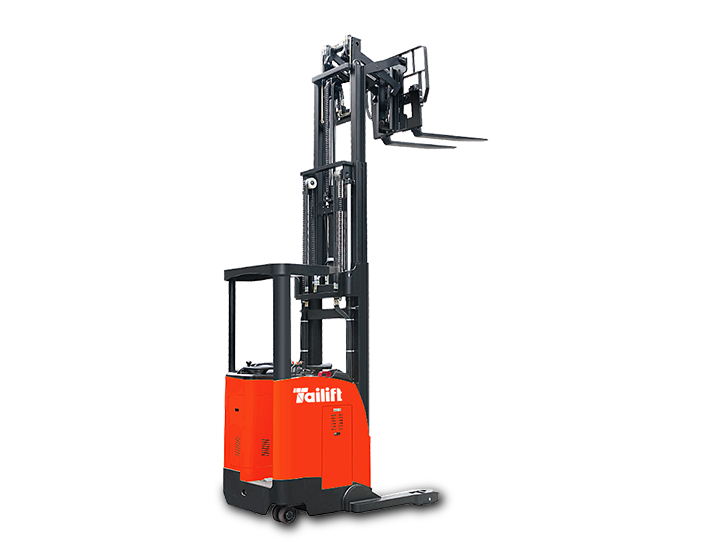
As a global forklift manufacturer, Tailift Material Handling Taiwan Co., Ltd. offers both electric counterbalance trucks and reach trucks. With decades of experience, Tailift integrates durability, operator safety, and energy efficiency into every design. Their solutions are trusted by logistics companies, manufacturers, and distribution centers worldwide.

Electric Counterbalance Truck
Reach Truck
Electric Reach Truck

By understanding the differences between these two forklift types, businesses can make smarter investments that improve efficiency and reduce long-term operational costs.

What Industrial Buyers Should Ask Before Sourcing Polypropylene or Polyethylene Boards

Sourcing plastic boards in industrial supply chains involves far more than comparing unit prices. Polypropylene board and polyethylene board are widely applied across manufacturing, automation, packaging, and equipment sectors, yet many sourcing challenges stem from unclear material specifications, inconsistent quality control, or limited supplier capabilities rather than the materials themselves. In global B2B operations, choosing the wrong source can result in production delays, performance inconsistencies, and costly requalification efforts—making careful evaluation of material and supplier factors essential for long-term reliability.


Clarifying Material Specifications and Grades

One of the most common sourcing problems begins with vague material definitions. While “PP board” or “PE board” may sound straightforward, material grade and formulation can vary significantly between suppliers.

Industrial buyers should clarify:

  • Is the polypropylene board homopolymer or copolymer?
  • Is the polyethylene board HDPE, LDPE, or a modified blend?
  • Are fillers, recycled content, or additives used?

These differences affect mechanical strength, chemical resistance, temperature tolerance, and dimensional stability.

Before finalizing a supplier, buyers should request:

  • Full material data sheets
  • Defined grade naming (not just “industrial grade”)
  • Clear tolerance ranges for thickness and flatness

Without this clarity, two boards labeled the same may perform very differently in real-world applications.


Quality Consistency and Batch Control

For industrial applications, consistency matters as much as performance. Variations between production batches can lead to machining issues, fitment problems, or premature failure.

Key questions to ask:

  • How does the supplier control batch-to-batch consistency?
  • Are raw materials sourced from stable upstream suppliers?
  • Is in-house quality inspection performed for every production run?

Below is a simplified comparison of sourcing risks:

Quality Control FactorWeak Supplier RiskControlled Supplier Practice
Raw material sourcingInconsistent resin qualityFixed-grade resin sourcing
Thickness toleranceHigh variationDefined tolerance control
Surface finishUnstableStandardized inspection
Batch traceabilityNot availableBatch-coded production

Consistent polypropylene and polyethylene boards reduce downstream risks, especially in OEM manufacturing and long-term projects.


Customization and OEM Capabilities

Standard sizes may work for general use, but many industrial projects require custom thicknesses, dimensions, or fabrication compatibility.

Before sourcing, buyers should ask:

  • Can the supplier support custom board sizes and thicknesses?
  • Are machining, cutting, or welding characteristics consistent?
  • Is OEM or project-based production supported?

A supplier with real OEM capability can help:

  • Reduce secondary processing costs
  • Improve installation efficiency
  • Ensure compatibility with existing equipment designs

Customization is not just about dimensions—it reflects whether a supplier understands industrial application requirements, not just commodity sales.


Lead Time, Capacity, and Supply Stability

Even high-quality materials become liabilities if supply is unstable. Procurement teams must evaluate not only current availability, but long-term supply reliability.

Important considerations include:

  • Standard and peak-season lead times
  • Production capacity scalability
  • Export readiness and logistics experience

Industrial buyers should also confirm:

  • Whether boards are produced in-house or outsourced
  • How suppliers handle sudden demand increases
  • What contingency plans exist for raw material shortages

Stable supply chains are especially critical for automation systems, packaging lines, and export-oriented manufacturing.


Documentation, Testing, and Traceability

In regulated or export-focused industries, documentation is not optional. Buyers should ensure suppliers can provide verifiable technical and quality documentation.

Ask whether the supplier offers:

  • Material test reports
  • Chemical resistance or mechanical performance data
  • Batch traceability records
  • Compliance documentation when required

Documentation supports:

  • Internal quality audits
  • Customer approval processes
  • Faster issue resolution if problems arise

For polypropylene board and polyethylene board sourcing, traceability builds trust and reduces long-term risk.


Common Red Flags When Choosing Plastic Board Suppliers

Many sourcing issues can be avoided by recognizing early warning signs. Common red flags include:

  • Overly generic product descriptions
  • Inconsistent answers about material grades
  • Unclear quality control processes
  • Reluctance to provide documentation
  • No experience with industrial or OEM customers

While lower prices may be tempting, hidden costs often emerge later in the form of rework, delays, or product failure.

Industrial buyers benefit from suppliers who communicate clearly and understand application-specific needs.


Building Long-Term Partnerships with Experienced Manufacturers

Successful sourcing is not transactional—it is relational. Experienced manufacturers understand that industrial buyers value reliability, transparency, and long-term collaboration.

This is where working with established plastic board manufacturers such as Ying Pao Chia becomes relevant. With extensive experience supplying polypropylene boards and polyethylene boards for industrial applications, Ying Pao Chia focuses on:

  • Consistent material quality
  • Customizable specifications
  • Stable production capacity
  • Support for OEM and long-term projects

Rather than offering one-size-fits-all products, Ying Pao Chia works closely with industrial customers to align material performance with real application requirements. For organizations seeking a reliable partner for industrial plastic board sourcing, you can learn more about Ying Pao Chia’s capabilities or contact their team directly to discuss project requirements


Final Thoughts: Asking the Right Questions Saves Time and Cost

Before sourcing polypropylene board or polyethylene board, industrial buyers should focus on clarity, consistency, and capability, not just price.

By asking the right questions early—about material grades, quality control, customization, supply stability, and documentation—buyers can avoid common pitfalls and build more resilient supply chains.