Monitor arms have become indispensable in modern hospitals, especially for multi-display setups. Their adaptability and functionality significantly enhance the efficiency of healthcare environments. Here’s a closer look at how these tools are revolutionizing hospital workflows.
The Role of Monitor Arms in Multi-Display Hospital Setups
Hospitals are bustling hubs where every second counts. Whether it’s in an ICU, operating room, or nursing station, monitor arms allow for seamless integration of multiple screens into medical workflows. These arms enable healthcare professionals to position monitors precisely where they’re needed—whether on walls, ceilings, or even mobile carts.
1. Enhancing Ergonomics
Medical staff often spend long hours interacting with screens. Monitor arms provide adjustable height and angles to reduce neck and back strain. This ergonomic design promotes better posture and minimizes the risk of musculoskeletal disorders among staff.
2. Streamlining Workflow Efficiency
Quick repositioning capabilities mean that vital information is always accessible without delay. In high-pressure environments like operating rooms or ICUs, this flexibility can be life-saving. For example:
Surgeons can adjust screens during procedures without disrupting their focus.
Nurses can swivel monitors to share data with colleagues instantly.
3. Maximizing Space Utilization
Space constraints are common in hospitals, especially in critical care units or mobile clinics. Wall-mounted or ceiling-mounted monitor arms free up valuable counter space while keeping essential equipment within easy reach.
Applications Across Hospital Departments
Monitor arms aren’t just versatile; they’re also tailored to meet the specific needs of various hospital settings:
Tracheostomy tubes, also known as trach tubes, play a vital role in airway management for patients who require long-term ventilation support or have obstructed upper airways. Despite their widespread use in intensive care units and rehabilitation settings, many healthcare professionals and caregivers still have questions about the different types of tracheostomy tubes and how to choose the right one for each patient. This article provides a clear overview of tracheostomy tube types, their uses, and the key factors to consider when selecting the appropriate design.
What Is a Tracheostomy Tube?
A tracheostomy tube is a medical device inserted through a surgical opening in the neck into the trachea (windpipe) to maintain an open airway. It allows air to bypass the nose and mouth, making it easier for patients to breathe, receive mechanical ventilation, or remove secretions more effectively. Tracheostomy tubes can be temporary or permanent, depending on the patient’s condition.
What Are Tracheostomy Tubes Used For?
Tracheostomy tubes are used to provide a secure and stable airway in patients who cannot breathe effectively through their nose or mouth. They serve multiple purposes across different clinical situations, including:
●Long-term mechanical ventilation: Patients in intensive care who require prolonged breathing support often benefit from tracheostomy tubes, which offer more comfort and lower airway resistance compared to endotracheal tubes.
●Airway obstruction: Conditions such as tumors, trauma, or congenital abnormalities that block the upper airway can necessitate a tracheostomy to bypass the obstruction.
●Neurological conditions: Patients with neuromuscular disorders (e.g., ALS, spinal cord injury) who have difficulty controlling breathing or clearing secretions may require a tracheostomy to reduce aspiration risk and improve secretion management.
●Surgical access and recovery: In head and neck surgeries, a temporary tracheostomy may be performed to maintain the airway during recovery.
●Secretion management: Tracheostomy tubes facilitate the suctioning of respiratory secretions, especially in patients who cannot effectively cough.
By maintaining a clear and direct airway, tracheostomy tubes play a crucial role in improving oxygenation, reducing the risk of complications, and supporting patient recovery.
Common Tracheostomy Tube Types
What are the different types of tracheostomy tubes? Tracheostomy tubes come in various designs, each tailored to specific clinical needs and patient conditions. Understanding these types is essential for selecting the most appropriate tube for effective airway management. The most commonly used types include:
1. Disposable Tracheostomy Tubes
Disposable tubes are designed for single-use or short-term care. They help reduce the risk of cross-contamination and are ideal in high-turnover settings such as intensive care units (ICUs). These tubes often require less maintenance and offer convenience for healthcare staff.
An inner cannula is a removable insert that fits inside the main tube. It allows for easier cleaning and maintenance without having to remove the entire outer tube. This design enhances infection control and is especially useful for patients requiring longer-term tracheostomy care.
These tubes are equipped with an additional suction port above the cuff to remove secretions that accumulate above the vocal cords. Subglottic suction helps prevent ventilator-associated pneumonia (VAP) and is recommended for ventilated patients at high risk of respiratory infections.
Venti-Trach Tracheostomy Tube with Subglottic Suction
Each type may come in cuffed or uncuffed versions, fenestrated designs for speech, and different sizes or angles to accommodate individual anatomies.
How to Choose the Right Tracheostomy Tube
Selecting the appropriate tracheostomy tube involves assessing several factors:
●Patient condition – Acute vs. chronic, ventilated vs. non-ventilated
●Airway anatomy – Pediatric vs. adult, neck shape, tracheal depth
●Infection control needs – Whether regular cleaning or single-use is preferred
●Speech and swallowing goals – If fenestrated or speaking valves are required
●Secretion management – Consider subglottic suction for high-risk patients
Clinicians must balance ease of care with patient comfort and long-term outcomes. A well-fitted and properly selected tracheostomy tube can significantly reduce complications and improve quality of life.
Designed for enhanced flexibility and comfort, the Rota-Trach line includes models with rotation-friendly features, minimizing trauma during patient movement. It is available in disposable and inner cannula variants to suit different clinical scenarios.
Engineered for ventilated patients, Venti-Trach provides secure airway access with optimized airflow performance. Like Rota-Trach, this series also comes in multiple configurations, including disposable, inner cannula, and subglottic suction to support ICU protocols and long-term care plans.
Both product lines are developed with safety, patient comfort, and caregiver convenience in mind, offering healthcare providers reliable solutions for effective tracheostomy management.
Get Expert Support for Your Tracheostomy Tube Needs
Choosing the right tracheostomy tube is essential for ensuring safe airway management and improving patient outcomes. From disposable options to advanced subglottic suction designs, there are many choices available based on clinical requirements. With innovative products like Rota-Trach and Venti-Trach, Vitaltec Corporation delivers versatile and trusted solutions that support modern respiratory care.
Interested in high-performance tracheostomy solutions? Contact Vitaltec to request detailed product specifications or clinical samples.
Why Custom Medical Connectors Are Essential in Modern Medical Devices
The medical device industry is evolving rapidly, driven by technological innovation, miniaturization, and increasingly stringent regulatory demands. In this environment, reliable electrical connections are critical, yet off-the-shelf medical connectors often fail to meet the specialized needs of modern equipment. From size constraints to sterilization compatibility, more manufacturers are turning to custom medical connectors to ensure performance, safety, and compliance.
Limitations of Off-the-Shelf Medical Connectors
Standard medical connectors are designed for general compatibility and easy availability. However, they typically offer limited flexibility in terms of pin configuration, material selection, or dimensional adjustments. These limitations can create significant challenges, such as:
●Mismatch with compact or irregular housing designs
●Incompatibility with frequent sterilization processes
●Insufficient environmental sealing for surgical or outdoor use
●Limited mechanical durability under repeated mating cycles
●Lack of compliance with specific regional or application-based regulations
When a connector is not perfectly aligned with the end-use device, it can compromise both usability and patient safety.
When Custom Medical Connectors Become a Necessity
Why should you choose a custom medical connector instead of a standard one? Custom connectors are not just an upgrade—they are often essential for functionality and product success. Common applications where customization is necessary include:
●Wearable health devices where form factor affects comfort and usability
●Advanced diagnostic equipment needing high-speed data transfer with shielding
●Specialized ECG or EEG systems using custom lead wire arrangements
●Surgical tools and dental equipment exposed to high-pressure cleaning and sterilization
By tailoring connector design to the exact use case, manufacturers can optimize signal transmission, ensure regulatory compliance, and improve end-user experience.
Top Benefits of Custom Medical Connector Solutions
Choosing a custom medical connector offers a range of benefits that directly impact the performance and market success of the final product:
●Tailored Fit & Function – Custom designs ensure compatibility with the device housing, mechanical tolerances, and operational flow.
●Improved Signal Integrity – Shielded, isolated designs minimize EMI and cross-talk.
●Regulatory Compliance – Materials and testing can be selected to meet ISO 13485, IEC 60601, FDA, or other standards.
●Patient Comfort & Safety – Ergonomic and biocompatible designs reduce patient discomfort or misuse.
●Faster Product Development – OEM/ODM partners offer prototyping and design support to speed up time-to-market.
The Role of OEM/ODM in Custom Connector Development
Developing a custom medical connector requires deep expertise and specialized manufacturing capabilities. Partnering with an OEM/ODM supplier allows medical device companies to:
●Leverage in-house R&D and mold/tooling development
●Reduce costs through scalable production strategies
●Accelerate testing and validation with built-in quality systems
●Focus internal resources on core product development rather than component sourcing
A professional OEM partner streamlines the entire process—from initial concept to full-volume production—while maintaining consistent quality and regulatory traceability.
Cambus Corporation: A Trusted OEM Partner for Medical Connectors
Cambus Corporation provides customized medical connector and cable assembly solutions tailored to the most demanding applications. With extensive experience in patient monitoring systems, diagnostic equipment, and interconnect assemblies, Cambus supports global medical brands with:
●Engineering collaboration for new product development
●Custom pin layouts, connector housings, overmolding, and cable assembly
●Short lead times and scalable production from pilot runs to mass manufacturing
Whether your project requires a custom ECG connector or a specialized interface for a wearable device, Cambus delivers precision-engineered solutions that meet both technical and regulatory standards.
A Customized Approach for Superior Performance
In the competitive and highly regulated world of medical device manufacturing, every component matters. Custom medical connectors offer unmatched advantages in performance, safety, and adaptability, enabling medical devices to function precisely as designed. With a trusted OEM partner like Cambus Corporation, companies can achieve product differentiation, shorten development cycles, and deliver innovative medical technologies to market with confidence.
In the ever-evolving field of medical technology, the integration of innovative approaches is crucial for developing effective treatment solutions. Solano Semiconductor Technology, a company dedicated to researching and developing photonic wave medical devices, recently collaborated with JuPu Light to host a seminar focused on the application of stem cell differentiation in the development of far-infrared medical devices. This event, held last year, provided a platform for experts to share insights and advancements in this promising area of medical technology.
The Seminar: A Deep Dive into Photonic Wave Technology
The seminar, titled “Utilizing Stem Cell Differentiation to Assist in the Development of Far-Infrared Medical Devices,” spanned three hours and featured a series of expert presentations. Attendees included researchers, medical professionals, and industry stakeholders, all eager to learn about the latest developments in photonic wave technology and its applications in healthcare.
Key Highlights
Understanding Photonic Wave Technology: The seminar began with an overview of photonic wave technology, explaining how it harnesses light energy to promote healing and enhance medical treatments. This technology is particularly relevant in the context of far-infrared medical devices, which are designed to penetrate the skin and stimulate cellular activity.
Stem Cell Differentiation: A significant portion of the discussion focused on the role of stem cell differentiation in medical device development. Experts highlighted how stem cells can be guided to develop into specific cell types, which can then be utilized in conjunction with photonic wave technology to create more effective therapeutic devices.
Real-World Applications: The seminar showcased various case studies and real-world applications of photonic wave medical devices. Participants learned about the potential benefits of these devices in pain management, wound healing, and overall health improvement.
Collaborative Opportunities: The event also emphasized the importance of collaboration in advancing medical technology. Solano’s commitment to OEM/ODM services allows for partnerships with other companies to develop customized solutions tailored to specific medical needs.
The Future of Photonic Wave Medical Devices
As the seminar concluded, it was clear that the future of photonic wave medical devices is bright. The integration of stem cell technology with photonic wave applications holds immense potential for revolutionizing treatment methodologies. Solano remains at the forefront of this innovation, continuously exploring new avenues for research and development.
In conclusion, the collaboration between Solano and JuPu Light not only highlights the advancements in photonic wave technology but also underscores the importance of knowledge sharing and collaboration in the medical field. As we move forward, the insights gained from such seminars will undoubtedly contribute to the development of more effective and innovative medical solutions.
For more information about Solano and its offerings, visit Solano website.
In today’s rapidly advancing healthcare environment, diagnostic equipment such as ECG monitors, ultrasound systems, and MRI scanners is becoming increasingly sophisticated. While much attention is given to the performance of sensors and imaging software, one often overlooked component plays a critical role in the reliability and accuracy of these devices—Medical Cable Assemblies.
Why Are Medical Cable Assemblies Important in Diagnostic Equipment?
Diagnostic medical cables serve as the critical communication link between sensors, probes, and processing systems. When it comes to patient monitoring or medical imaging, signal integrity is not optional, but essential.
Consider these examples:
●ECG Cable Assemblies transmit low-voltage electrical signals from the patient’s body to the monitor. Even minimal interference can alter results.
●Ultrasound systems rely on real-time transmission of signals between transducers and processors to generate clear images.
●MRI equipment demands specialized cable assemblies that can perform reliably in high-magnetic environments without causing distortion.
Without properly engineered cables, even the most advanced diagnostic tools could deliver unreliable data or fail to function entirely.
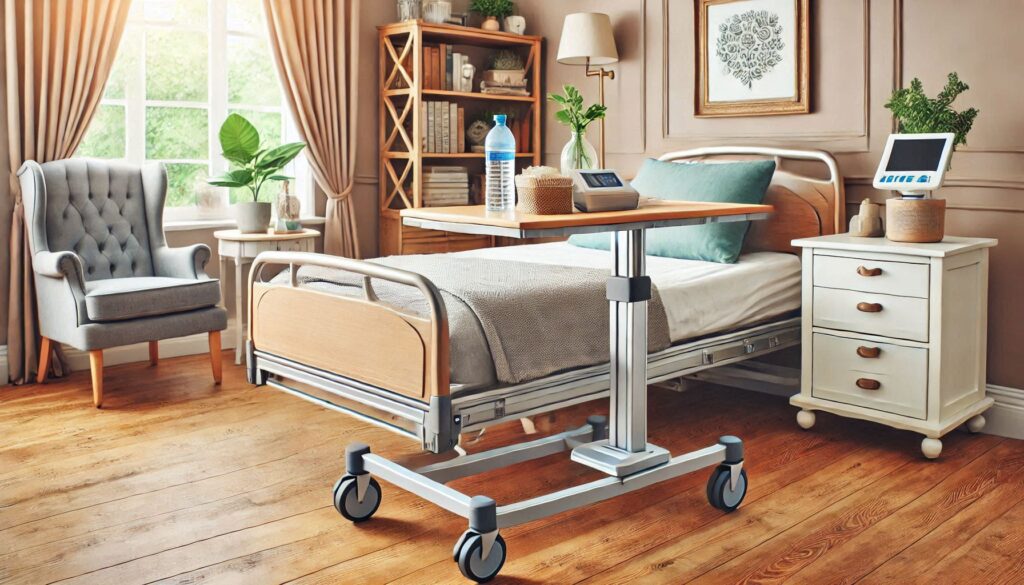
Imagine a hospitalized patient reaching for their bedside table, a convenient surface holding personal belongings, medication, and a drink. This seemingly simple object plays a crucial role in both hospital wards and long-term care facilities. It’s more than just a place to store items; it significantly impacts patient comfort, independence, and overall care experience. This article explores the design considerations of bedside tables in acute and long-term care settings, highlighting their importance in enhancing patient well-being.
Bedside Table for home long-term care (created by Microsoft Image Creator)
The Bedside Table in Acute Care Settings (Hospital Wards)
In hospital wards, functionality is paramount. The over the bed table with wheels serves as storage for medication, personal items (books, phones, glasses), and medical equipment (IV pumps, call buttons). Good design incorporates ergonomics, ensuring easy access for patients with varying mobility levels. Hygiene is crucial, requiring easy-to-clean materials and durable construction to withstand daily use. Safety is paramount; a stable structure, the absence of sharp edges, and integration with fall prevention strategies are essential. A well-designed adjustable hospital table also enhances patient comfort and a sense of control, offering a degree of autonomy in an otherwise unfamiliar environment.
Machan’s BAILDIA Wins the Taiwan Excellence Gold Award
In 2025, Machan International’s BAILDIA brand achieved a significant milestone by winning the Taiwan Excellence Gold Award for its Smart IoT Technology-assisted Medication Trolley. Competing with thousands of innovative entries, this recognition underscores BAILDIA’s commitment to excellence and innovation in healthcare solutions.
The Smart IoT Medication Trolley addresses pressing challenges in medical environments by blending advanced technology with user-centered design. This honor cements BAILDIA’s reputation as a leader in medical innovation, reflecting Taiwan Excellence’s core values of quality, functionality, and forward-thinking.
Why Choose the BAILDIA Smart IoT Medication Trolley?
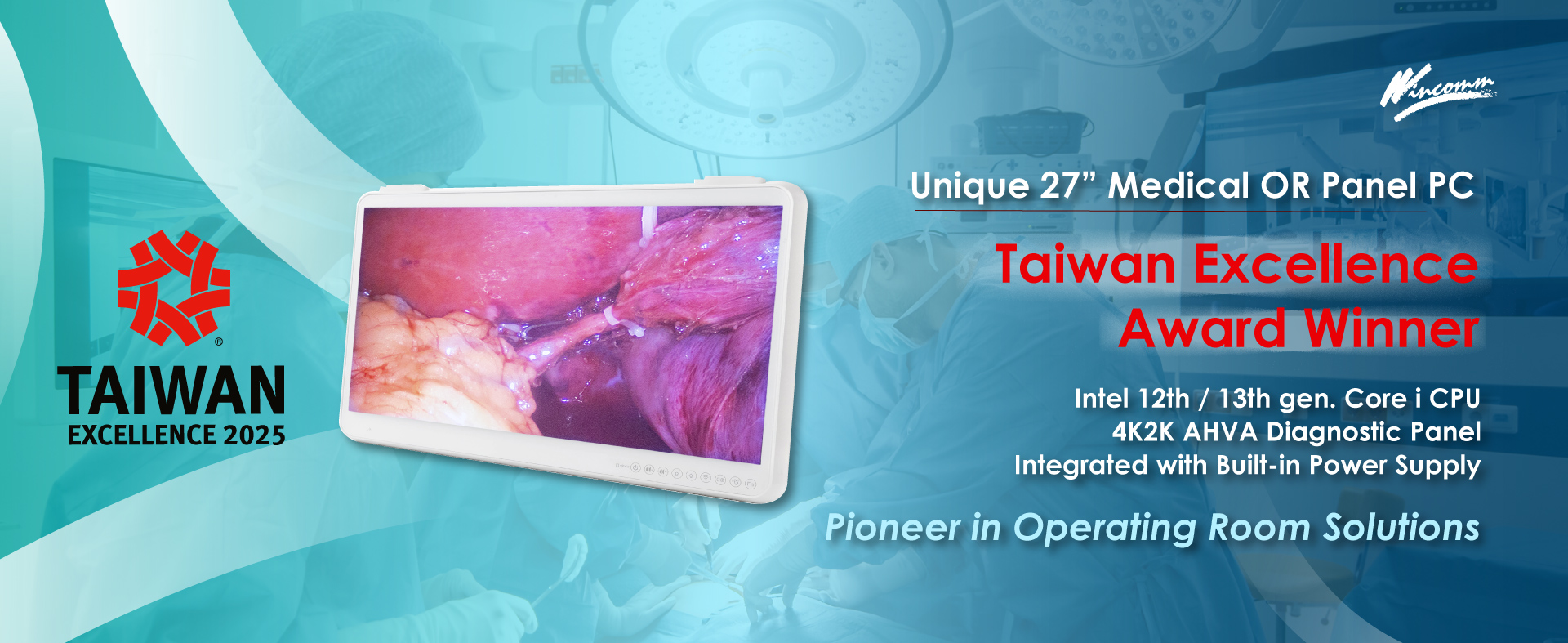
Wincomm Corporation, a global leader in medical computing solutions, is proud to announce its innovative 27-inch Medical Operating Room (OR) Panel PC, the WMP-27T-PIS series. This groundbreaking technology has been recognized with the prestigious 2025 Taiwan Excellence Award, a testament to its superior research and development, design, quality, and market impact. The award underscores Wincomm’s commitment to innovation and the “Made in Taiwan” excellence.
Making its global debut at MEDICA 2024 in Düsseldorf, Germany, the WMP-27T-PIS series represents a significant advancement in surgical technology. This all-in-one medical panel PC is specifically engineered for operating rooms, integrating cutting-edge features to enhance surgical precision and patient care.
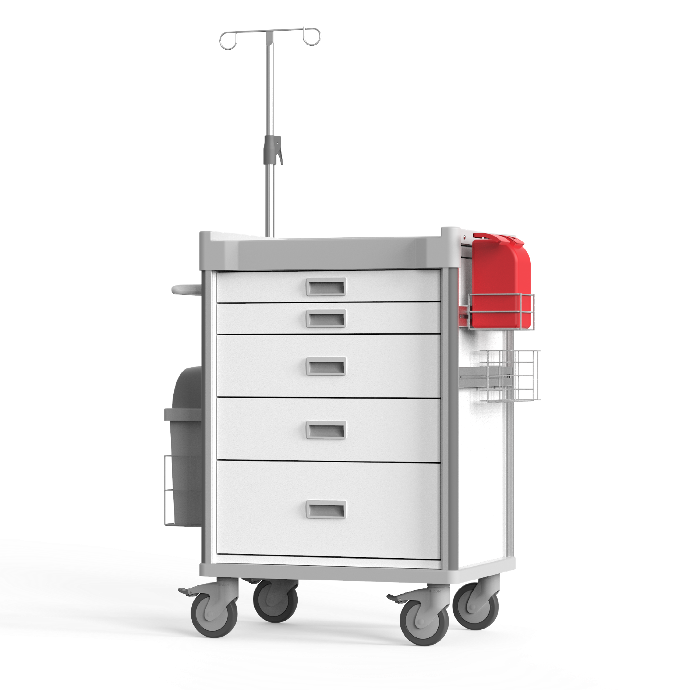
Medical procedure carts, an indispensable tool in healthcare settings, are designed to streamline the process of patient care. These carts are tailored to meet the unique needs of different areas within a medical facility. Their versatility is evident in their widespread use across hospitals, nursing homes, emergency rooms, and clinics. These carts serve a dual purpose: facilitating general aid procedures and organizing medical supplies. Customization is key, allowing for a variety of configurations to suit the specific needs of healthcare providers. The dimensions, materials, and drawer layouts can vary, offering flexibility in their functionality. Some carts come equipped with multiple drawers of varying sizes, while others feature compartments with doors for secure storage.
The adaptability extends to accessories as well, with procedure carts being outfitted with additional features to accommodate different medical scenarios. This level of customization ensures that healthcare professionals have quick and easy access to the necessary tools and supplies, enhancing the efficiency of patient examinations and treatments. With everything in one location, medical staff can focus on providing high-quality care, making these carts a valuable asset in any healthcare environment. These medical treatment carts also feature removable antimicrobial plastic tops that promote hygiene and are easy to clean, ensuring a safer environment for patients and healthcare workers.
Machan: Top Taiwan OEM/ODM Manufacturer in Custom Procedure Trolley for Medical Environments
Treatment and Procedure Carts by Machan are the backbone of patient care in various medical settings. These carts are indispensable in hospitals, nursing homes, and small clinics due to their suitability for multiple purposes. Whether for general aid procedures or storing medical supplies, these carts are designed to be the most versatile model of medical carts available. Their adaptability to different configurations ensures that they can be tailored to meet the specific preferences of the end user, from drawer sizes to compartment arrangements.
Machan understands that the needs of healthcare facilities vary greatly, which is why our treatment trolleys can be customized to the finest detail. The drawer configuration can include a range of sizes and orders, and the carts can be accessorized with additional features to match the requirements of any hospital scenario. From big drawers for bulky supplies to inner compartments with secure doors, the customization possibilities are endless.
When it comes to providing outstanding patient care, the details matter. Machan’s Treatment and Procedure Carts offer a level of customization that allows healthcare providers to focus on what they do best—caring for patients. With the ability to adapt to any medical environment and enhance the efficiency of care, Machan’s carts are the smart choice for any healthcare facility looking to optimize its operations and patient outcomes.
Design medical equipment with operator experience & workplace ergonomics in mind by selecting the right medical casters.
To understand the importance of using the right casters on medical equipment in a healthcare environment, let us examine a scene in an archetypal hospital where patients, carts and sensitive equipment are constantly ushered to various rooms, crossing multiple floors and possibly traveling long distance. Since the environment is in flux, it is imperative to consider the performance and failure rates of casters when evaluating the design of medical equipment both using original casters and replacement casters.
While failure rates are easy to measure, quantifying the performance of casters can be relatively difficult especially because casters tend to become less efficient over time. Just because a caster is still functional, it is not necessarily performing optimally. To illustrate, wrong casters may fail to absorb shock optimally whereby constantly transferring unacceptable shocks to both the equipment and the operator, leading to breakdown of the equipment and potential injuries to the operator. Additionally, an untimely caster failure can put critical equipment temporarily out of use.
Since casters need to constantly perform at their peak and be durable to create a positive impact on ROI, the logical next step is to examine how to identify the right medical casters for intended applications. Here are a few key points to consider:
Wheel Material: The wheel material that you select impacts a variety of performance parameters. Popular choices for medical applications include Neoprene and Urethane wheels which are considered quiet, non-marking and shock absorbent. Accounting for these factors creates an environment which restricts noise levels for both patients and operators, reduces risk of damaging floors, while also extenuating damages to the equipment and injury to personnel.
Load Capacity: In general, it is recommended that each caster should have the capacity to support one-third of the total load weight of the load.
Floor and Environmental Conditions: Floor conditions could include towing equipment on greasy surfaces. Environmental conditions could include exposure to harsh chemicals, etc. These factors need to be weighed when selecting casters.
Requirements for Braking and Locking Mechanism: There are various options available. Usually, the braking and locking mechanism on medical casters is more complex than on industrial casters.
Wheel Diameter and Bearing: Optimal wheel diameter and bearing selection will have a positive impact on maximizing mobility and enhancing workplace ergonomics.
G-force (a measurement of the type of acceleration that causes a perception of weight): A lower g-force improves shock absorption and provides extra protection to the equipment while also assisting to reduce injury risks to operators.
Durability: Consider the number of kilometers a single piece of medical equipment is expected to travel during its product life cycle. Casters with durability curate replacement costs.
IEC / ISO Specifications:
IEC 60601: Technical standard for the safety and effectiveness of medical equipment
ISO 22881: Requirement for use on manually propelled equipment for institution applications
ISO 22882: Requirements for castors for hospital beds
ISO 22883: Requirement for applications up to 4 km/h
ISO 22884: Requirement for applications over 16 km/h
For the OEMs, besides considering the points above that end-users value, the following can be factored in:
Aesthetics, A Key Element of Product Design: In an era where form is considered as important as function, imagine a situation where a cutting edge ultrasound machine is outfitted with casters that appear more like tools added purely for their functional value. This would reduce the premium feel of the equipment. Similar to cutting edge automobiles which use wheels to enhance the function as well as the appearance of their products, casters can be used to add to the overall design and premium feel of the medical equipment.
Using Casters with A Positive Reputation: Many end-users prefer casters from trustworthy and well-known manufacturers therefore including these casters on the original equipment creates additional value for the end-users.
Collaborating with Caster Manufacturers at The Early Stage of New Product Development: To ensure that casters are “right” for the intended application, it is a great practice to involve caster manufacturers early in the product design process. Early inputs from caster manufacturers can reduce the time to market and significantly improve design value.
Selecting the right casters makes a positive impact to a variety of key areas including longevity of equipment and enhanced workplace ergonomics. The right casters improve efficiency and productivity and, in turn, ROI.
To find the trustworthy and well-known medical caster manufacturer, I recommend you to visit Enjoying Go Co., Ltd. – they are the Taiwan caster wheel manufacturer specializing in kinds of office chair casters, furniture caster wheels, hardwood floor casters, medical caster wheels, etc. Today, if you have requirement or interest in caster wheel replacement, please do not miss Enjoying Go!