
Introduction
The freight and logistics industry in 2025 is navigating a complex landscape characterized by technological advancements, regulatory changes, and evolving market dynamics. This report provides a comprehensive overview of the current state of the global freight market, highlighting key trends, challenges, and opportunities. It draws on insights from multiple reliable sources to offer a detailed analysis of the industry’s trajectory.
Market Overview
Global Freight Market Dynamics
In 2025, the global freight market is experiencing significant shifts due to a combination of economic, geopolitical, and technological factors. The Drewry Global Container Freight Index (WCI) indicates a slight increase of 0.45% to $3,543/FEU in Week 24 of 2025, reflecting a stabilization in freight rates after a period of volatility (Phaata, 2025). This stabilization is attributed to the temporary suspension of reciprocal tariffs on China by the U.S., which has led to a resumption of strong freight traffic.
Regional Market Trends
The market has diverged into two distinct scenarios across major trade routes. The Asia-North America route has entered a rebalancing phase, with carriers effectively adding capacity to cool the market, particularly at West Coast ports. The withdrawal of the General Rate Increase (GRI) on June 15, 2025, is a testament to this change (Phaata, 2025).
Conversely, the Asia-Europe trade route is facing a severe operational crisis, with freight rates continuing to climb due to supply-side issues like port congestion, schedule delays, and reduced capacity. This scenario is exacerbated by geopolitical uncertainties, which pose significant risks to market stability (Phaata, 2025).
Key Trends and Developments
Technological Advancements
The logistics industry is witnessing substantial progress in supply chain technology. Innovations in autonomous vehicles (AVs), electric vehicles (EVs), and alternative fuels are gaining traction. The adoption of AI in transportation management and fraud detection is also on the rise, enhancing operational efficiency and security (Uber Freight, 2025).
Regulatory Changes
Regulatory shifts are central to the challenges facing the freight and logistics industry. Governments are implementing stricter policies on international freight services, directly influencing ocean and air freight costs. These changes necessitate compliance and adaptation by industry players to maintain competitiveness (ExFreight, 2025).
Nearshoring and Geopolitical Shifts
Nearshoring to Mexico has emerged as a key trend, with cross-border trade between Mexico and the U.S. reaching an all-time high. This shift is driven by geopolitical factors and the need for supply chain resilience. The impact of nearshoring on the supply chain and freight demand is expected to be significant, potentially leading to increased domestic manufacturing activity (Uber Freight, 2025).
Challenges and Opportunities
Supply Chain Disruptions
The supply chain industry is navigating an era of rapid transformation, with businesses adapting to shifting consumer demands, volatile markets, and technological disruptions. Evolving regulations and tariffs pose challenges, requiring companies to optimize their logistics networks to remain competitive (ExFreight, 2025).
Freight Market Volatility
The freight market continues to evolve against a backdrop of mixed signals. While projections for steep inflation in spot rates by the end of 2025 have softened, the market is likely to lean inflationary in the coming months due to regulatory changes. Shippers are advised to be prepared and proactive, as policy changes and macroeconomic shifts can quickly alter capacity and pricing (Fetch Freight, 2025).
Environmental and Sustainability Initiatives
Environmental regulations are expected to become more stringent in 2025, with a focus on sustainability and efficiency. The logistics industry is increasingly adopting smart technology and alternative fuels to meet these demands, presenting opportunities for innovation and growth (FreightRate, 2025).
Conclusion
The freight and logistics industry in 2025 is characterized by a dynamic interplay of technological advancements, regulatory changes, and market shifts. While challenges such as supply chain disruptions and regulatory compliance persist, opportunities for innovation and growth abound. Industry players must remain agile, leveraging technology and strategic partnerships to navigate the evolving landscape and capitalize on emerging trends..
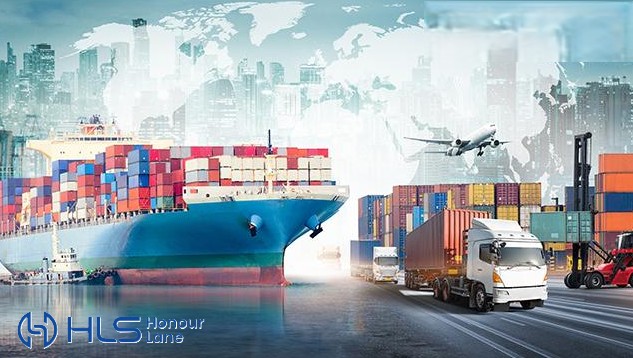
As the global freight and logistics landscape continues to evolve, partnering with a trusted logistics provider becomes increasingly crucial. HLS Honour Lane Shipping, a leading transport and logistics company, offers comprehensive and reliable freight solutions tailored to meet diverse supply chain needs. Whether you require efficient sea freight services across major global trade lanes, time-sensitive air freight services, cost-effective railway freight services for intercontinental transport, or customized value-added logistics services such as cargo consolidation and documentation support, HLS delivers with excellence and expertise. In a year shaped by complexity and opportunity, HLS Honour Lane Shipping stands ready to support businesses in navigating the challenges of 2025 with resilience and strategic insight.