Introduction: The Growing Plastic Pollution Crisis
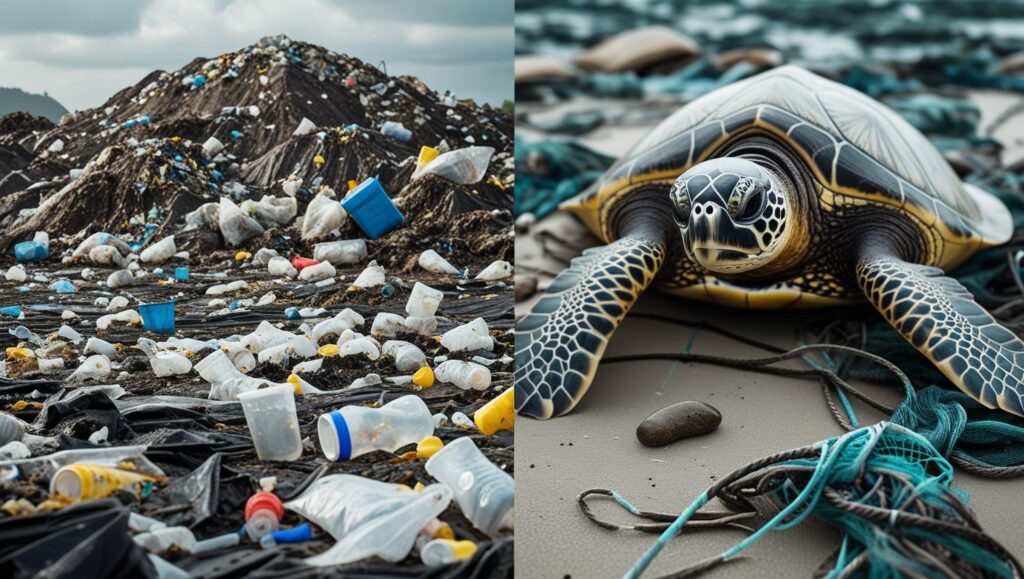
Plastic pollution has become a global environmental crisis, with over 400 million tons of plastic produced annually, much of it ending up in oceans, landfills, and ecosystems. This section introduces the scale of the problem, highlighting its impact on marine life, human health, and climate change. It sets the stage for actionable solutions by emphasizing the urgency of addressing plastic waste through collective efforts across industries, governments, and individuals.
Understanding the Sources of Plastic Pollution
This section explores the primary sources of plastic pollution, including single-use plastics, packaging (which accounts for ~40% of plastic production), and microplastics from textiles and cosmetics. It discusses industry trends, such as the overuse of plastics in food and beverage packaging and the challenges of improper waste management in developing regions. Data from reports like the OECD’s 2022 Global Plastics Outlook can be referenced to highlight that only 9% of plastic waste is recycled globally.
Industry Innovations: Reducing Plastic Production
Innovative industry trends are reshaping plastic use. This section covers:
- Bioplastics and Alternatives: Development of plant-based plastics (e.g., PLA, PHA) and biodegradable materials.
- Circular Economy Models: Companies adopting closed-loop recycling systems to minimize waste.
- Packaging Redesign: Trends like lightweighting, reusable packaging, and plastic-free alternatives in retail (e.g., zero-waste stores). Highlight examples like Unilever’s commitment to reducing virgin plastic use by 50% by 2030 or startups developing mushroom-based packaging.
Policy and Regulation: Driving Systemic Change
Government policies are critical in curbing plastic pollution. This section discusses:
- Bans and Restrictions: Global trends in banning single-use plastics (e.g., EU’s 2021 single-use plastic ban).
- Extended Producer Responsibility (EPR): Policies holding manufacturers accountable for plastic waste.
- International Agreements: The 2022 UN Environment Assembly’s resolution to end plastic pollution by 2024, with legally binding measures. Include examples like Canada’s 2030 single-use plastic ban and deposit schemes for bottles.
Consumer Actions: Empowering Change at the Grassroots
Individuals play a vital role in reducing plastic pollution. This section outlines actionable steps:
- Reducing Single-Use Plastics: Encouraging reusable bags, bottles, and straws.
- Supporting Sustainable Brands: Choosing products with minimal or recyclable packaging.
- Proper Waste Sorting: Educating consumers on recycling guidelines to improve recovery rates. Trends show growing consumer demand for eco-friendly products, with 66% of global consumers willing to pay more for sustainable goods (Nielsen, 2023).
Technology and Waste Management: Closing the Loop
This section explores technological advancements in waste management:
- Advanced Recycling: Chemical recycling and pyrolysis to break down plastics into reusable components.
- Waste-to-Energy: Converting non-recyclable plastics into energy.
- Microplastic Filters: Innovations in filtration systems for wastewater treatment. Highlight companies like Plastic Bank, which incentivizes plastic collection in developing nations, and AI-driven sorting technologies improving recycling efficiency.
Plastic Recycling Equipment: Powering Efficient Waste Management

Advanced recycling equipment is pivotal in transforming plastic waste into reusable resources, addressing the low global recycling rate of 9%. This section explores key technologies:
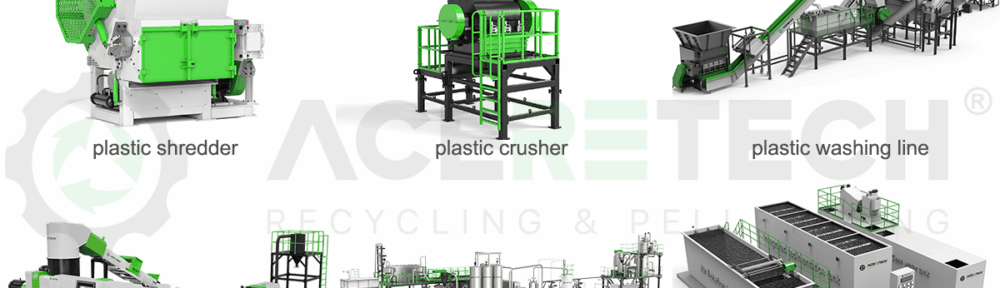
- Plastic Shredders: These machines, like those offered by Aceretech, reduce plastic waste into smaller fragments, facilitating cleaning and processing. Features include high-torque, low-noise operation and automatic controls for efficiency.
- Pelletizers: Plastic pelletizers convert shredded plastics into uniform pellets through melting, extrusion, and cutting. They enhance material purity, reduce storage costs, and produce high-value raw materials for manufacturing, increasing economic value by 50-300%.
- Washing Lines: Specialized systems clean plastics, removing contaminants like oil, crucial for recycling high-quality materials like polypropylene (PP).Such equipment supports a circular economy by enabling the reuse of post-consumer plastics (e.g., bottles, bags) and pre-consumer waste, reducing reliance on virgin plastics and mitigating “white pollution”. Companies like Aceretech emphasize energy-efficient designs, saving 70-80% energy compared to virgin plastic production, making recycling both environmentally and economically viable.
Collaboration for a Plastic-Free Future
Combating plastic pollution requires collaboration across sectors. This section discusses:
- Public-Private Partnerships: Initiatives like the Ellen MacArthur Foundation’s New Plastics Economy Global Commitment.
- Community Initiatives: Local clean-up drives and education campaigns.
- Global Cooperation: Aligning efforts through international frameworks like the UN’s Sustainable Development Goals (SDG 14: Life Below Water). Emphasize the need for shared responsibility among governments, businesses, and communities.
Conclusion: A Call to Action
Summarize the key strategies—innovation, policy, consumer action, technology, and equipment-driven recycling—and stress the importance of collective responsibility. End with an inspiring call to action, urging readers to adopt sustainable habits, support policy changes, invest in recycling technologies, and advocate for a plastic-free future. Highlight that small changes, when multiplied globally, can lead to significant impact.
Source : What Can We Do to Stop Plastic Pollution?
Rewritten by ChatGPT