Band Saw Innovations Driving Precision Aluminum Cutting for EVs and Aerospace

Aluminum has become a cornerstone material in electric vehicles (EVs) and aerospace engineering, thanks to its lightweight nature and excellent strength-to-weight ratio. However, its high thermal conductivity and tendency to deform under stress demand specialized band saw machines capable of precise, repeatable cuts.

Challenges in Aluminum Cutting

Processing EV-grade and aerospace aluminum alloys presents several complex challenges for manufacturers. Aluminum’s high thermal conductivity means it rapidly absorbs heat during cutting, which can lead to warping, surface imperfections, and dimensional inaccuracies. Additionally, aerospace-grade alloys often exhibit variable hardness and tensile strength, making it difficult to achieve uniform cuts across different batches or complex geometries. Manufacturers must also contend with tight tolerances, as even minor deviations in battery enclosures, chassis components, or aircraft frames can compromise structural integrity and assembly fit.

High-volume production further complicates the process, as maintaining consistent precision and reducing scrap becomes increasingly difficult without specialized equipment. Traditional cutting tools often struggle to balance speed, quality, and repeatability, leaving manufacturers with increased downtime and higher material costs. Addressing these challenges is crucial for companies aiming to remain competitive in the fast-growing EV and aerospace sectors.

How Band Saw Machines Solve Aluminum Cutting Challenges

Modern band saw machines are specifically engineered to overcome these aluminum processing pain points. Rigid machine frames minimize vibration during cutting, ensuring clean, straight edges even on large or complex components. CNC automation and precision feed systems allow operators to maintain repeatable accuracy across high-volume production runs, while advanced cooling and lubrication systems reduce heat buildup and prevent thermal deformation.

Specialized blade technologies, such as bi-metal or carbide-tipped blades, provide longer life and superior cutting performance across alloys of varying hardness. Together, these features not only enhance product quality and dimensional accuracy, but also reduce scrap, minimize downtime, and improve overall manufacturing efficiency. By leveraging the full capabilities of modern band saw machines, manufacturers can meet strict EV and aerospace specifications while maintaining operational cost-effectiveness.

ChallengeBand Saw FeatureBenefit
Heat-related warpingAdvanced cooling and lubricationMaintains material integrity
Vibration during cuttingRigid framesProduces clean, straight cuts
High-volume productionCNC automationConsistent precision at scale
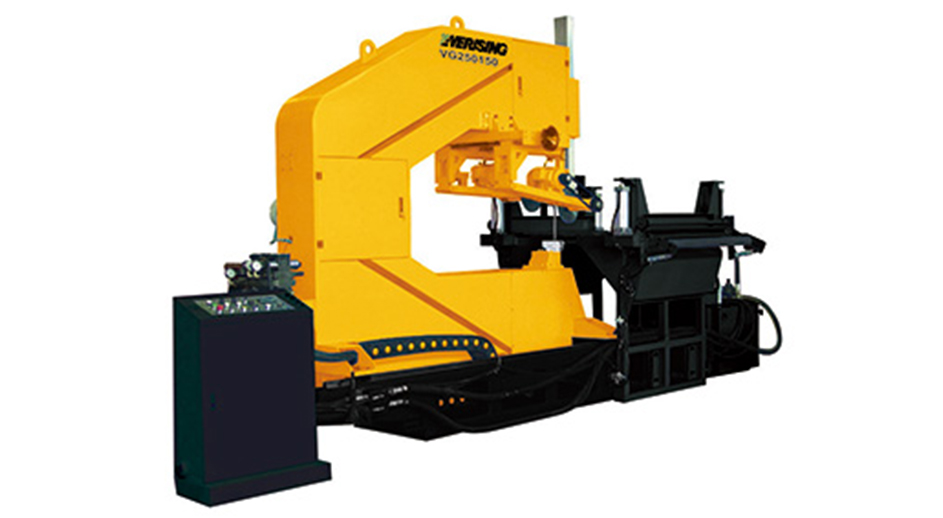
EVERISING Aluminum Cutting Band Saw

How Modern Innovations Optimize Aluminum Cutting Efficiency

Recent developments in band saw technology support manufacturers in achieving high-quality results:

  1. CNC and Servo-Controlled Systems: Enable complex profiles and repeatable precision.
  2. AI and IoT Integration: Monitor machine performance in real-time, predict maintenance, and optimize cutting parameters.
  3. Energy-Saving Motors: Reduce operational costs while meeting sustainability requirements.
  4. Specialized Blade Materials: Carbide-tipped and bi-metal blades provide longevity and cleaner cuts.
  5. Automation for Safety and Efficiency: Reduces human error and enhances throughput in high-volume operations.

These advancements are critical for industries aiming to minimize scrap, maintain tight tolerances, and reduce downtime.

Innovative Band Saw Solutions from Worldwide Industry Leaders

In the global market, several companies stand out for their contributions to precision aluminum cutting. These manufacturers provide the latest in technology and design, helping production facilities meet the rigorous demands of EV and aerospace components:

ManufacturerSpecialization
EVERISING Machine Co.Aluminum & high-performance alloy cutting for EV and aerospace
HESSE+CO Maschinenfabrik GmbHHigh-performance band saws designed for industrial metal cutting
DoAllIndustrial metal-cutting solutions with automated features
KASTO MaschinenbauAutomated metal-cutting systems for high-volume production
Baileigh IndustrialHeavy-duty band saws for aerospace and automotive

Driving Precision with Band Saw Innovations

As EV and aerospace industries continue to push the boundaries of lightweight, high-strength aluminum components, band saw innovations have become essential enablers of manufacturing excellence. Modern machines combining CNC automation, AI-assisted monitoring, advanced blade technologies, and energy-efficient designs allow manufacturers to overcome persistent challenges such as thermal deformation, material variability, and high-volume production demands.

By adopting these advanced band saw solutions, companies can maintain tight tolerances, reduce scrap, and increase throughput, while supporting sustainable and cost-effective operations. Ultimately, these technological advancements ensure that manufacturers are equipped to deliver precise, reliable, and high-quality aluminum components, meeting the ever-growing requirements of EV and aerospace applications.

Leveraging cutting-edge band saw technology is no longer optional—it is a critical strategy for precision, efficiency, and competitiveness in modern aluminum manufacturing.

The Impact of Tariffs on Taiwan’s Machine Tool Industry

Introduction

Taiwan’s machine tool sector has long enjoyed a strong position in the global market, known for its blend of precision, cost-effectiveness, and adaptability. But in 2025, that position was tested when the United States announced a steep tariff hike on Taiwanese machine tools. This change has not only increased the cost of doing business in one of Taiwan’s most important export markets but also intensified competition with Japan and South Korea, both of which face lower tariff rates.

The Tariff Shift and Its Ripple Effect

In April 2025, a U.S. executive order—dubbed “Tariff Reinstatement Day” by some industry watchers—shook Taiwan’s machine tool sector. Initially, Washington announced a 32% reciprocal tariff on most Taiwanese goods (excluding semiconductors), on top of the existing Most-Favored-Nation (MFN) tariff of about 4.7%. This would have raised the total effective rate to nearly 36.7%.

After intense negotiations and a temporary 90-day pause, the rate was reduced to a 20% provisional reciprocal tariff, but the MFN duty still applies—bringing the current effective tariff to roughly 24.7%. By comparison, Japan and South Korea—both of which have free trade agreements with the U.S.—face an effective rate of 15%, giving them a nearly 10 percentage point advantage over Taiwanese exporters.

Tariff Comparison – Effective Rates (2025)

Country/RegionMFN RateReciprocal TariffTotal Effective Rate
Taiwan4.7%20%24.7%
Japan0%–0.5%15%15%
South Korea0%–0.5%15%15%
Original Taiwan Proposal4.7%32%36.7%

The impact was immediate. The U.S., Taiwan’s second-largest export market for machine tools (worth about USD 400 million annually), became a far less cost-competitive arena. Adding to the pressure, the Taiwan dollar appreciated by roughly 13% against the U.S. dollar in the same period, further eroding profit margins.

Pressure on SMEs

Small and medium-sized enterprises (SMEs) make up the backbone of Taiwan’s machine tool industry, particularly in the mid-range product segment. These companies often operate with thin profit margins, making them more vulnerable to sudden cost pressures. Many have reported a slowdown in U.S. orders, forcing them to rethink their market strategies.

Industry and Government Responses

In response, manufacturers are accelerating efforts to diversify into other markets, from Southeast Asia and India to Europe and China. Some are investing in higher-value, more technologically advanced products to reduce direct price competition. The push toward digital transformation—integrating smart manufacturing systems and improving energy efficiency—is also gaining momentum.

The Taiwanese government has rolled out relief measures, including subsidies for equipment upgrades and relaxed eligibility rules for financial aid. Industry associations, such as the Taiwan Association of Machinery Industry (TAMI), are lobbying for more active trade negotiations with Washington to reduce tariff levels.

Looking Ahead

Taiwan’s historical price edge—once as much as 20–30% below Japanese equipment—has effectively disappeared in the U.S. market. Regaining competitiveness will require more than cost control; it will mean strengthening brand recognition, improving quality perception, and innovating in both product design and manufacturing processes.

Conclusion

The new tariffs have reshaped the playing field for Taiwan’s machine tool industry. For SMEs in particular, the challenge is steep, but not insurmountable. Through strategic market diversification, continued innovation, and strong government advocacy, Taiwan can adapt to this new trade reality—turning short-term setbacks into long-term transformation opportunities.

What are Automatic Weighing and Bagging Machines?

In the fast-paced world of industrial packaging, efficiency, accuracy, and cost-effectiveness are paramount. Automatic weighing and bagging machines have emerged as critical tools in achieving these goals. These machines streamline the packaging process by automating the filling, sealing, and labeling of products into bags, significantly reducing the need for manual labor. This report delves into the intricacies of automatic weighing and bagging machines, exploring their working mechanisms, types, benefits, and applications across various industries.

What is an Automatic Weighing and Bagging Machine?

An automatic weighing and bagging machine is an industrial device designed to package bulk materials or products into bags or containers with minimal human intervention. These machines are indispensable in industries that require the packaging of large volumes of items quickly and accurately. They are equipped with advanced technology, including sensors and control systems, to measure and monitor the weight of the product being packaged. Once the desired weight is achieved, the machine automatically dispenses the product into the packaging material, ensuring uniformity and precision.

Core Functions

  1. Filling: The primary function of these machines is to fill bags with the correct amount of product. This can range from powders and granules to liquids and solid items. Automated bagging machines use sensors and conveyors to ensure each bag receives the exact quantity needed.
  2. Sealing: Once filled, the machine seals the bag to protect its contents. Sealing can be done through various methods such as heat sealing, ultrasonic sealing, or adhesive sealing. This ensures the product remains intact and uncontaminated during transport and storage.
  3. Labeling: Many automatic bagging systems also feature integrated label printers, enabling businesses to include shipping addresses, barcodes, and other product information on each bag. This eliminates the need for manual labeling and further enhances efficiency.

Types of Automatic Weighing and Bagging Machines

Automatic weighing and bagging machines come in various types, each suited to different levels of production and automation needs. The three main types are manual, semi-automatic, and fully-automatic machines.

Manual Bagging Machines

Manual bagging machines are the simplest type. They require an operator to manually place the bags and control the filling process. These machines are ideal for small-scale operations or for packaging lightweight materials.

Semi-Automatic Bagging Machines

Semi-automatic bagging machines offer a balance between manual and fully-automatic systems. They still require some human intervention but use mechanical systems to assist with the filling and sealing process. An operator typically places the bag, and the machine handles the rest.

Fully-Automatic Bagging Machines

Fully-automatic bagging machines are the most advanced and efficient. These machines handle everything from bag placement to filling, sealing, and even labeling. They use sensors, conveyor belts, and other automated systems to ensure high accuracy and speed.

Advantages of Automatic Weighing and Bagging Machines

Automatic weighing and bagging machines offer several advantages that make them essential tools in modern packaging operations.

Increased Efficiency

Automated systems fill and seal bags much faster than manual methods. For instance, the AUTOBAG® Brand PaceSetter PS 125™ Tabletop Baggers can bag and seal up to 80 bags per minute. This speed can be a game-changer for businesses that need to package large quantities of materials quickly.

Improved Accuracy

One of the standout features of automated bagging machines is their ability to dispense precise quantities of materials. This is crucial for businesses that need to adhere to specific weight or volume requirements.

Reduced Labor Costs

By automating the packaging process, businesses can significantly reduce labor costs. These machines eliminate the need for manual weighing, measuring, and packaging, allowing companies to reallocate their workforce to more value-added tasks.

Enhanced Safety

Safety is a critical consideration in any packaging operation. Automated bagging machines can reduce the risk of injury to workers by eliminating the need for manual handling of heavy or awkward materials.

Customization and Flexibility

These machines are highly customizable, allowing companies to switch between different bag sizes and products seamlessly. This is particularly advantageous for industries that need to handle a variety of products. Furthermore, many systems come with additional features such as automated label printing, integrated weighing scales, and the ability to print marketing materials directly on the bags.

Applications Across Industries

Automatic weighing and bagging machines are used in various sectors such as the food, medical, pharmaceutical, and e-commerce industries. They are versatile technologies that can accommodate a wide range of materials, including granular, powders, and liquids.

Food Industry

In the food industry, these machines ensure precise and hygienic packaging of products like snacks, powdered goods, and liquids. They help maintain product safety and quality by reducing the risk of contamination and ensuring consistent portion sizes.

Pharmaceutical Industry

Precision is crucial in the pharmaceutical industry, where adhering to specific weights and measurements is of utmost importance. Automatic weighing and packing machines guarantee precise and uniform packaging, reducing the likelihood of errors and customer dissatisfaction.

E-commerce Industry

In e-commerce, where large volumes of items need to be packaged quickly and accurately, automated bagging machines streamline operations by handling everything from filling and sealing to printing labels. This allows workers to focus on other tasks, significantly increasing throughput and accuracy.

Conclusion

Automatic weighing and bagging machines have revolutionized the packaging industry, providing businesses with a key tool for success. From improving efficiency and accuracy to customization and enhanced product safety, these machines offer a range of benefits that cannot be achieved through manual packaging processes. As the demand for fast, precise, and reliable packaging solutions continues to grow, automatic weighing and bagging machines will remain at the forefront of packaging success.

If you require automatic weighing and bagging machines, don’t miss out on CTI Machine – a professional packaging machine manufacturer in Taiwan. They deliver cutting-edge solutions that offer unmatched precision and efficiency across industries such as agriculture, food, and pharmaceuticals. In addition to their automatic weighing and bagging machines, they provide a range of machines, including vertical vacuum packing machines and premade pouch packaging machine solutions. Their advanced technology will make your production line more efficient and reliable. Visit CTI Machine’s website to enhance your packaging operations with their customizable, high-performance equipment.

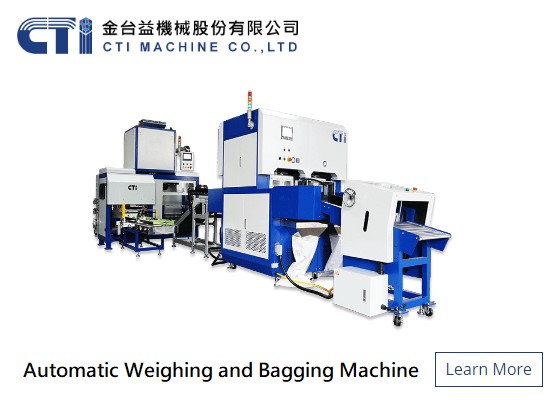
CTI Automatic Weighing and Bagging Machine
CTI Machine – Your Partner of Automatic Weighing and Packing Machine

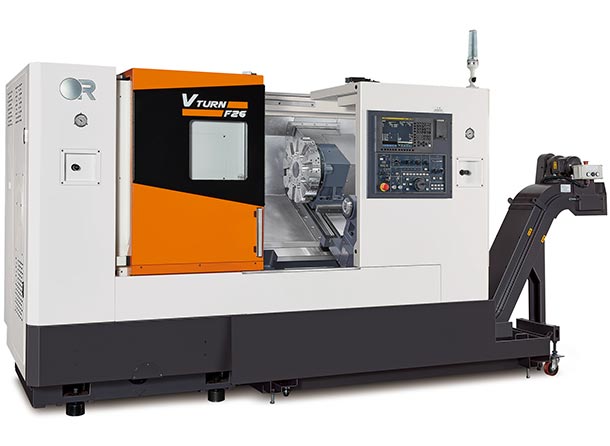
Victor Taichung Vturn-F26 Horizontal Lathe: Versatile and Efficient CNC Turning Solution

In the face of the challenging global economic landscape in 2023, marked by a significant slowdown in China’s economic growth and widespread inflation, the machine tool industry is confronted with unprecedented challenges. Customers are increasingly seeking flexible, cost-effective, and high-performance equipment to meet their diverse production needs. The Victor Taichung Vturn-F26 Horizontal Lathe emerges as a compelling solution, offering a robust and versatile platform for CNC turning operations.

Robust and Stable Bed Structure

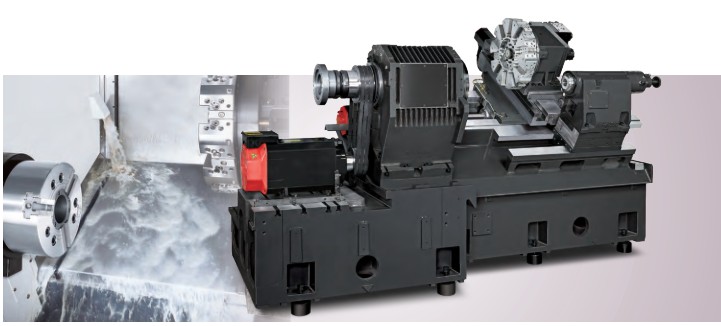
The Vturn-F26 Horizontal Turning Lathe features a one-piece bed structure with a 30-degree inclined guideway design, providing superior rigidity compared to the previous generation’s modular bed and 45-degree guideway. The cast components are manufactured using the “Meehanite” process, ensuring a stable and high-rigidity foundation. The increased width of the hardened linear guideways further enhances the stability of the saddle and slide.

Powerful Spindle Configuration

The spindle assembly has been reinforced to boost rigidity, with an increased bearing span and the use of a toothed belt drive. These enhancements reduce the impact of spindle heating, extend bearing life, and improve the spindle’s radial load capacity. The spindle is powered by a βiIP30 motor, delivering 15/18.5 kW of power and a maximum speed of 3,500 rpm.

Enhanced Axis Travels and Rapid Feeds

The Vturn-F26 offers increased axis travels, with the X-axis travel expanded from 190+50 mm to 215+25 mm, allowing for larger turning diameters up to 430 mm. The maximum turning diameter has been increased from 380 mm to 430 mm, and the bed swing diameter from 520 mm to 600 mm. The rapid feed rates have also been improved, from 12/15 m/min (X/Z) to 15/20 m/min (X/Z), further enhancing productivity.

Flexible and Practical Turret Design

The Vturn-F26 features a 10-station turret with square tool holders (25 mm), providing increased flexibility in tool configuration and reduced tool interference. The practical hydraulic turret design also simplifies maintenance.

Ergonomic and User-Friendly Design

The machine’s exterior design incorporates Victor Taichung’s distinctive corporate elements, with rounded corners and a sleek, streamlined appearance. The active door window and LED lighting contribute to a bright and intuitive user experience, allowing operators to easily monitor the machine’s status.

Comprehensive Peripheral Systems

The Vturn-F26 is equipped with a new chip conveyor and coolant system, optimizing the filtration of chips and extending the coolant’s service life, thereby reducing maintenance requirements and increasing effective machining time.

In the highly competitive machining market, the Vturn-F26 offers a versatile and cost-effective solution that can accommodate the diverse needs of customers. With its robust construction, powerful spindle, and enhanced axis travels, the Vturn-F26 provides the necessary cutting power, precision, and stability for a wide range of turning applications. By offering flexible configuration options and integrating energy-efficient peripheral systems, the Vturn-F26 helps customers optimize their production costs and enhance their competitiveness.

If you have any questions or need further information regarding Vturn-F26, please do not hesitate to contact Victor Taichung – Taiwan’s leading Smart machine tools manufacturer.

Source: Victor Taichung

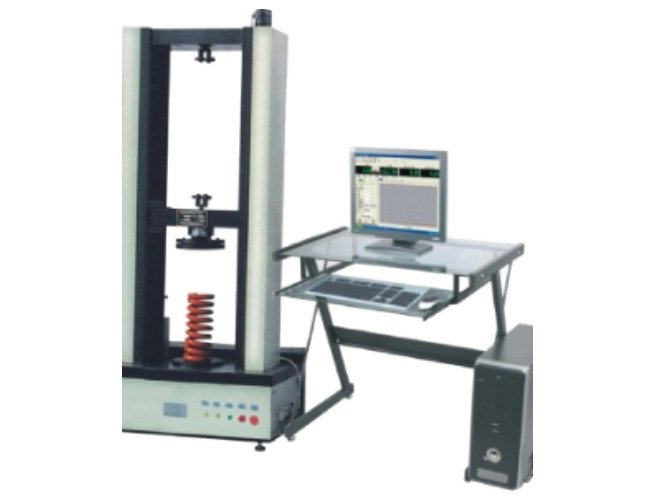
Why Need A Spring Testing? Where to Buy Quality Spring Testing Machines?

Springs are vital components employed in many products we use and rely upon every day, from automobiles to medical devices. Measuring the spring rate, or relationship between force or torque and deflection, is a common requirement to ensure proper functioning in the spring’s intended application.

Spring testing includes: Extension Spring Testing, Compression Spring Testing, and Torsion Spring Testing.

Well, to measure the springs easily and accurately you will need a spring testing machine.

Buying a spring tester, I will recommend you to consider Simco Spring Machinery Company.

Spring Machinery Company was founded in 1980. It has been the major supplier of spring manufacturing machines and peripheral equipment in Taiwan that have enjoyed worldwide distribution for over 20 years.

Below, I show you one of SIMCO spring tester machines:

Spring Testing Machine

SLT-W50I

SIMCO Spring Testing Machine

Features of Spring Tester:

  • The software consists of function modules such as speed control, parameter input, data processing, result observation, record retrieval, chart display & print, data storage.
  • Diversified Testing Methods: Test of residuals height or deformation of spring under preset testing load. Test of testing load under preset height or deformation of spring.
  • Multiple Points Data Auto-Collection: Avoid the impact of spring stress on the testing data; the total testing process is completely automatic.
  • Over load protection and thus keep the load cell free of damage.
  • Powerful data-processing and statistic functions are able to plot stiffness curve, calculate spring segment stiffness, plot the normal distribution curve, and calculate the index of process capability.

If you have interest or requirement of spring testing machines, no hesitation, contact with SIMCO for more specification and details of spring testers.

Simco Spring Machinery Company

6F.-1, No.27, Ln. 61, Sec. 1, Guangfu Rd., Sanchong Dist., New Taipei City 24158, Taiwan

TEL: +886-2-29954088

FAX: +886-2-29994685

E-mail: simco@simcotw.com

3 Ways to Buy The Right Slitter Rewinders for Your Business

Guide of Slitter Rewinders

Slitter rewinders are used to cut a large roll of material into smaller rolls of size to be used in the next process. Before buying slitter rewinders, it’s necessary to know the basic understanding of slitting machines, packaging materials, etc. The following 3 ways will help you choose best slitter rewinders for your business.


Find A Right Slitter Rewinders Supplier Or Manufacturer

First, you need to consider when buying a slitter rewinders is the manufacturer which you will buy it from. The right supplier will provide the most suitable slitters and services at suitable prices. Decision should depend on full details of suppliers including technical expertise and capabilities, manufacturing capabilities, ability to provide technical assistance, etc.


It’s critical that the slitter rewinders will come from an enterprise with an excellent reputation in the industry. Professional suppliers such as LEAP and KYMC are generally reliable because they have enough resources and systems. However, you can also develop a relationship with small suppliers especially if you are their main customer. In these cases your supplier may also respond better to different requests.


Anyway, it’s recommended to get a slitting equipment demo from manufacturers. It is because you need to be sure about the capability of the slitting machine you will buy. It’s better if you can see it yourself; you are just looking out for your best interest.


Effective Communication with Slitter Rewinders Manufacturer

Before you go on buying slitter rewinders, make sure you know the features you need for your company’s production. You can make a list and use it as a checklist. Materials is the most mission-critical specification, suppliers will provide slitting solutions according to different kinds of materials, so they need to know all of the materials that will be run on the slitter.


Providing the specifications of the cores is also important, such as the core materials and sizes. For instance, if you need the core to extend from each end of the finished roll for subsequent handling or packaging, you must communicate with the manufacturer because it may impact the overall size of the machine.


Besides, it’s important to know about the handling method for the finished rolls of material, including overhead hoist, forklift, cart, or others. This can greatly affect the design of slitter rewinders, not only relate to accommodating the preferred handling method within the confines of the slitter, but also relate to planning the space requirements surrounding the slitter upon installation in your facility.


Determining the Type of Slitter Rewinders

Generally, after detailed communication, the slitter manufacturer will provide you a complete solution according to customer’s requirement and their own conditions. Based on this, you can determine whether the type of slitter can meet your needs. Preferably, samples of all materials to be processed in their finished form should be provided to the manufacturer for evaluation before the machine is even quoted.


Please note that the universality and specificity of slitting machine appear to be a contradiction, versatile machines are harder for materials with special requirements and vice versa. Therefore, you should decide the proper equipment according to major materials, rather than all materials, and avoid unnecessary loss.


Follow above guides, and you can buy the most suitable slitter rewinders for your business.


Article Source: http://www.film-slitter.com/guide-to-buying-a-slitter-rewinder.html

What You Should Know Before Buying A CNC Metal Laser Cutter?

What is a Laser Cutting Machine?

A laser cutting machine is a CNC laser machine that adopts CO2/Fiber laser source to cut metal and non-metal materials into different shapes. A laser cutting machine is equipped with laser cutting machine frame, laser generator, laser power supply, reflector path, laser cutting head, control panel, water chiller and CNC (Computer Numerical Control) system.


A laser cutting machine is also called as laser cutting system, laser cutting equipment, laser cutter, laser cutter machine, laser cut machine, laser cutting tool.


Laser Cutting Machine Applications

Laser cutting machines are widely used in industrial manufacturing applications, school education, small businesses, home business, small shop, home shop and hobbyists.


Laser cutting machines with fiber laser source are mainly used for cutting metal materials (metal sheets, metal plates, round or square metal tubes/pipes) of carbon steel, stainless steel, aluminum, copper, gold, alloy, iron, etc. Laser cutting machines with CO2 laser source are mainly used for cutting thin metal and non-metal materials of wood, acrylic, leather, fabric, paper, foam, glass, etc.


Advantages of CNC Laser Cutting Services

CNC laser cutting machine compared to other laser cutting machines, it has unique features and advantages. Let’s take a look at the advantages of fiber laser cutting machine.


  1. CNC laser electrical to optical conversion efficiency is high, conversion efficiency of more than 30%, the small power fiber lasers without to be equipped with chiller, air-cooled, greatly reduce the power consumption, save operation cost, and achieve the highest production efficiency.


  1. The operation of the laser only requires power, no need to generate additional gas laser, with the lowest operating and maintenance costs.


  1. CNC laser by semiconductor module and the redundancy design, resonant cavity free optical lens, does not require bootstrap time, with adjustment free, maintenance free, the advantages of high stability, reduce the cost of Spare parts and maintenance time, which is unmatched by traditional laser.


  1. CNC laser output wavelength of 1.064 microns is 1 / 10 of the CO2 wavelength, the output beam quality, high power density, is very conducive to the absorption of the metal material, has excellent cutting and welding ability, so that the least cost of processing.


  1. The whole optical routing optical fiber transmission, does not need the complex mirror and so on the light guiding system, the light path is simple, the structure is stable, the outside light road maintenance free.


  1. The cutting head contains a protective lens, the focusing mirror and other precious consumable little consumption.


  1. The light through the optical fiber are derived, the design of mechanical system is very simple and very easy to work with the robot or multidimensional integration.


  1. After a gate coupled with laser multi machine, light through the optical fiber, divided into multi Taiwan work at the same time, the function is easy to expand, upgrade convenient and simple.


  1. CNC laser has the advantages of small size, light weight, position mobile, small area.


If you have requirement of quality and efficiency CNC metal laser cutters, I can recommend you to visit Tailift Co., Ltd. – their laser cutting machines are famous in worldwide. Tailift offers to clients a wide range of laser cutting equipment and these laser cutters are designed for a variety of metal working applications. Today, contact with Tailift for more details!


Article Source:

https://www.stylecnc.com/products/laser-cutting-machine.html

https://www.quora.com/What-are-advantages-of-CNC-laser-cutting-services

Advantages and Disadvantages of CNC Woodworking Machines

CNC machinery revolutionized the commercial woodworking process. At a time when machines were operated manually, CNC technology made them operable by computer – a sweeping improvement that made high speed, high quality production a reality. Today, CNC machines’ cutting accuracy and production speed are at an all-time high. But before you buy one, it pays to weight the drawbacks against their benefits. Below are the advantages and disadvantages of CNC woodworking machine:


Advantage

  1. Flawless Cutting Accuracy: With its computerized control, a CNC machine can produce multiple identical pieces. It can also produce one-off pieces that conform precisely to programming coordinates. This accuracy saves companies money by reducing waste pieces.


  1. Excels at Intricate Design: CNC machines can execute intricate designs that manual machines can’t. CNC millers and routers routinely perform intricate millwork and cutouts for furniture. In years past, this work was by hand and reserved for premium products. Today, computer controlled machines make it widely available.


  1. Fast Training Process: Due to the physical nature of the operator’s job, a manual woodworking machine can take years to master. Conversely, computer controlled machinery can be mastered in as little as weeks. A CNC machine operator controls its computer, oversees the production process, and performs light servicing – tasks that can be learned through training as easily as through experience.


  1. Excellent Resale Value: As long as it is well maintained, industrial grade CNC machinery retains its value well. With woodworkers constantly on the lookout for quality used machinery, you shouldn’t have difficulty liquidating a machine when you need to upgrade to a new one.


Disadvantage

  1. Expensive to Purchase: An industrial grade CNC machine is at least a five-figure purchase, and many models reach the six-figure mark. For some woodworkers, this means taking out a second mortgage or looking for a quality used machine. In today’s impressive used woodworking machinery market, the latter is the optimal choice.


  1. Costly to Repair: Computer controlled machinery has two components that are costly to repair: sensitive cutter heads and the computer that controls them. Proper training educates CNC operators on the fine points of operating and caring for these elements. But if they malfunction, the repairs can be costly.


  1. Potential for Costly Error: Some companies let CNC machines execute the operator’s instructions while he attends another machine. If the instructions contain an error that isn’t caught, a large run of useless pieces could ensue.


Conclusion

The disadvantages of CNC machines can be reduced or eliminated by proper machine care, careful operation, and the identification of quality used machines. Their advantages can improve the production rate and overall quality of your woodwork.


For many woodworkers, replacing manual machinery with CNC machinery is the beginning of woodworking as a “business.” If you have requirement or need more information of CNC woodworking machines, I recommend you to visit Boarke Machine Co., Ltd. – they are the manufacturer of specializing in a wide range of woodworking machinery. Today, contact with Boarke to get woodworking equipment you need!


Article Source: https://www.rtmachine.com/blog/cnc-woodworking-machines-their-advantages-and-disadvantages/

3 Benefits of Automated Assembly

Automatic assembly machine is a wonderful innovation. If a company is looking to turn to automated assembly machine, there are a lot of amazing benefits that the company will get out of it. Assembly machines offer a ton of pros for manufacturers.


One benefit of automated assembly is the quicker turnaround. As long as the machinery is used smart and efficiently, it reduces the turnaround time for projects. You are able to combine a number of assembly capabilities or production steps into one single step.


Automated assembly also offers higher quality production. It enhances the production quality. Certain tasks, such as aligned press fits, are difficult to be done when performed manually. Through automation, they can be done much more efficiently and accurately. It also provides a high degree of conformity across pieces. This is another aspect that’s difficult to achieve when performed manually.


One last benefit of automated assembly is that it reduces labor costs. Automated assembly offers both direct and indirect labor cost savings. The direct savings are very clear. When something becomes automated, it frees up time for employees. Employees no longer have to perform the automated task so they are able to perform other tasks that are unable to be automated and will help the company.


The indirect savings, while not as clear, are just as beneficial. Switching to automated assembly can reduce material handling and component orientation time, in-process inventory, when replacing batch operations, finished product inventory, scrap, defective pieces, and personnel training. All of these reductions can save manufacturers a lot of money in the end.


If you have requirement or need more information of automatic assembly machines, you can come and visit Detzo Co., Ltd. – they are the professional custom machine manufacturer in Taiwan. You can find a wide range of automated production lines at Detzo. Now, contact with Detzo at +886-2-22983317 for more details!


Article Source: http://www.norwalt.com/three-benefits-of-automated-assembly.html

Types of Dyeing Machine

Dyeing is a process of coloring textile materials for giving attractive look. In broadly we can explain, dyeing is a process by which a yarn, fabric, garments and any other materials that come to contact of dye by presence of auxiliaries that create the condition of dyeing environment. Dyeing operation is done by different types of dyeing machine. The machine which is used to dyeing or coloring of materials like yarn, fabric, garments or any other materials is called dyeing machine. Dyeing machines come in all shapes and sizes to accommodate the various forms and quantities of textile materials. Actually it is the device that is used by different industries for imparting colors. Various types of dyeing machineries are used to dye the textile materials.


Different Types of Dyeing Machine:

We can classify dyeing machine in the following way.


Types of dyeing machine according to textile material:

 A.Fiber Dyeing Machine

  1. Conical Pan Loose Stock Dyeing Machine
  2. Annual Case For Loose Stock Dyeing Machine
  3. Hussong Loose Cotton Dyeing Machine
  4. Jagen Barg Dyeing Machine
  5. Simplex Dyeing Machine
  6. Dreze Dyeing Machine
  7. Ober Maier Dyeing Machine
  8. Long Close Loose Cotton Dyeing Machine

 B.Yarn Dyeing Machine

  1. Hank Form:
    1. Hussong Hank Dyeing Machine
    2. Pulsatur Hank Dyeing Machine
    3. H.S. Hank Dyeing Machine
    4. Clauder Weldon Hank Dyeing Machine
  2. Package Form:
    1. Cop Dyeing Machine
      • Mather And Platt Cop Dyeing Machine
      • Long Close Cop Dyeing Machine
      • Beaumont Cop Dyeing Machine
    2. Cheese Dyeing Machine
      • Ober Maier Cheese Dyeing Machine
      • Franklin Cheese Dyeing Machine
      • Krantz Cheese Dyeing Machine
    3. Warp Dyeing Machine
      • Zittau Warp Dyeing Machine
      • Ball Warp Dyeing Machine
      • Chain Warp Dyeing Machine

 C.Fabric Dyeing Machine

1.Jet Dyeing Machine

  • Special Temperature Winches
  • Jet Dyeing Machine With Additional Winches
  • Partially Folded Jet Dyeing Machine
  • Fully Folded Jet Dyeing Machine

2. Jigger Dyeing Machine

  • Mather And Platt Jigger Dyeing Machine
  • Closed Jigger Dyeing Machine
  • Cyclotric High Performance Jigger Dyeing Machine

3. Pad / Padding Mangle Dyeing Machine

  • Two Bowl Padding Mangle Dyeing Machine
  • Three Bowl Padding Mangle Dyeing Machine
  • Fiber Bowl Padding Mangle Dyeing Machine
  • Houbold Bowl Padding Mangle Dyeing Machine
  • Zittau Bowl Padding Mangle Dyeing Machine

4. Beam Dyeing Machine

5. Winch Dyeing Machine

6. High Temperature Winch Dyeing Machine

7. Molter Metal Stand Fast Dyeing Machine

8. Solvent Dyeing Machine


According To Dyeing Process:

  • Open Dyeing Machine
  • Enclosed Dyeing Machine


According To Material and Liquor Movement:

  • Material Move But Liquor Does Not Circulate i.e. Jigger
  • Liquor Circulate But Materials Does Not Move i.e. All Package Dyeing Machine.
  • Both Materials And Liquor Circulate i.e. Jet Dyeing Machine


According To The Materials To Be Dyed:

  • Loose Stock Form Dyeing Machine
  • Hank Dyeing Machine
  • Package Form Dyeing Machine
  • Fabric Form Dyeing Machine


If you have requirement of yarn dyeing machine and fabric dyeing machine, I sincerely recommend you to visit Tong Geng Enterprise Co., Ltd. – they are the professional manufacturer of specializing in dyeing machines. Tong Geng’s aims are to design and manufacture top quality, advance and efficient textile machineries, and continuously research & develop innovated products, and comprehensive customer services global wide. Now, come and visit their website for more information of dye machines!


Article Source: Textile Learner