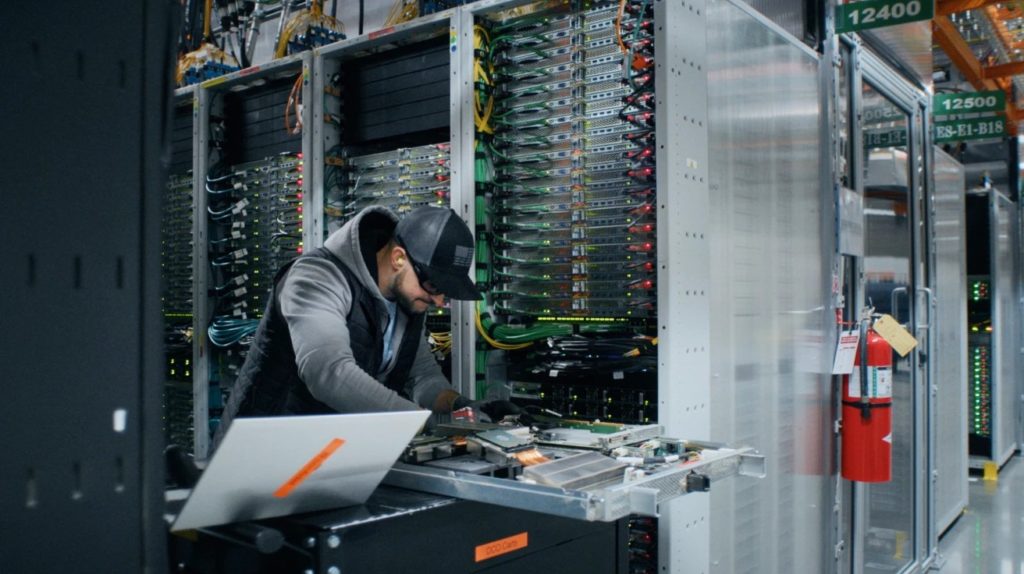
Amazon Web Services is busy positioning its cloud infrastructure business to capitalize on the promise of generative artificial intelligence for transforming space and other industries.
More than 60% of the company’s space and aerospace customers are already using some form of AI in their businesses, according to AWS director of aerospace and satellite Clint Crosier, up from single digits around three years ago.
Crosier predicts similar growth over the next few years in space for generative AI, which uses deep-learning models to answer questions or create content based on patterns detected in massive datasets, marking a major step up from traditional machine-learning algorithms.
Mathematical advances, an explosion in the amount of available data and cheaper and more efficient chips for processing it are a “perfect storm” for the rise of generative AI, he told SpaceNews in an interview, helping drive greater adoption of cloud-based applications.
“In the last year, AWS has fundamentally reorganized itself internally so that we could put the right teams [and] organizational structure in place … so that we can really double down on generative AI,” he said.
He said AWS has created a “generative AI for space” cell of a handful of people to engage with cloud customers to help develop next-generation capabilities.
These efforts include a generative AI laboratory for customers to experiment with new ways of using these emerging capabilities.
Crosier sees three main areas for using generative AI in space: geospatial analytics, spacecraft design and constellation management.
Earth observation satellite operators such as BlackSky and Capella Space already use AI extensively to gain more insights into their geospatial data, but have not yet bridged into generative AI.
It’s also early days in the manufacturing sector, but Crosier said engineers are experimenting with how a generative AI model fed with design parameters could produce new concepts by drawing from potentially overlooked data, such as from the automotive industry.
“Whether you’re designing a satellite, rocket or spacecraft, you’re letting the generative AI go out and do that exploratory work around the globe with decades of data,” he said, “and then it will come back and bring you novel design concepts that nobody has envisioned before for your team to use as a baseline to start refining.”
He said generative AI also has the potential to help operators manage increasingly crowded orbits by helping to simulate testing scenarios.
“If I have a constellation of 600 satellites, I want to model how that constellation will behave under various design parameters,” he said.
“Well, I can get a model of two concepts, which leaves me woefully inadequate — but it costs time and money to model them, or I can model an infinite number. Gen AI will tell me what are the top 25 cases I should model for my modeling simulation capability that will give me the best design optimization, and so we’re seeing it used that way.”
AWS efforts to accelerate the adoption of these emerging computing capabilities also include scholarships and a commitment announced in November to provide free AI training for two million people worldwide before the end of 2025.
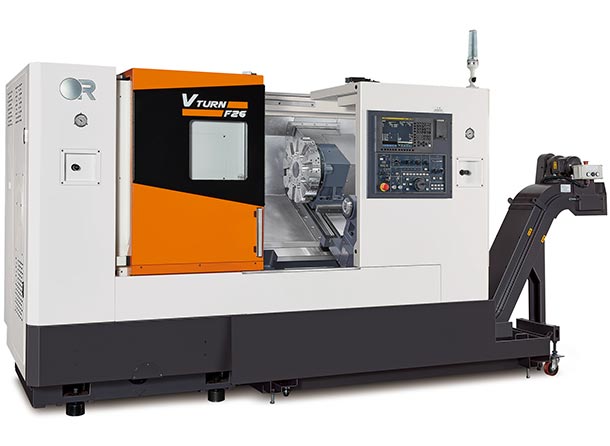
In the face of the challenging global economic landscape in 2023, marked by a significant slowdown in China’s economic growth and widespread inflation, the machine tool industry is confronted with unprecedented challenges. Customers are increasingly seeking flexible, cost-effective, and high-performance equipment to meet their diverse production needs. The Victor Taichung Vturn-F26 Horizontal Lathe emerges as a compelling solution, offering a robust and versatile platform for CNC turning operations.
Robust and Stable Bed Structure
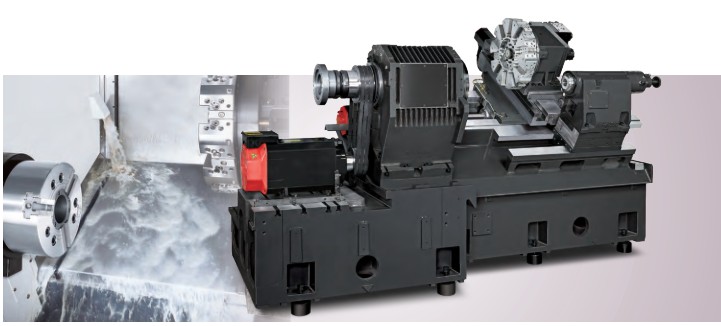
The Vturn-F26 Horizontal Turning Lathe features a one-piece bed structure with a 30-degree inclined guideway design, providing superior rigidity compared to the previous generation’s modular bed and 45-degree guideway. The cast components are manufactured using the “Meehanite” process, ensuring a stable and high-rigidity foundation. The increased width of the hardened linear guideways further enhances the stability of the saddle and slide.
Powerful Spindle Configuration
The spindle assembly has been reinforced to boost rigidity, with an increased bearing span and the use of a toothed belt drive. These enhancements reduce the impact of spindle heating, extend bearing life, and improve the spindle’s radial load capacity. The spindle is powered by a βiIP30 motor, delivering 15/18.5 kW of power and a maximum speed of 3,500 rpm.
Enhanced Axis Travels and Rapid Feeds
The Vturn-F26 offers increased axis travels, with the X-axis travel expanded from 190+50 mm to 215+25 mm, allowing for larger turning diameters up to 430 mm. The maximum turning diameter has been increased from 380 mm to 430 mm, and the bed swing diameter from 520 mm to 600 mm. The rapid feed rates have also been improved, from 12/15 m/min (X/Z) to 15/20 m/min (X/Z), further enhancing productivity.
Flexible and Practical Turret Design
The Vturn-F26 features a 10-station turret with square tool holders (25 mm), providing increased flexibility in tool configuration and reduced tool interference. The practical hydraulic turret design also simplifies maintenance.
Ergonomic and User-Friendly Design
The machine’s exterior design incorporates Victor Taichung’s distinctive corporate elements, with rounded corners and a sleek, streamlined appearance. The active door window and LED lighting contribute to a bright and intuitive user experience, allowing operators to easily monitor the machine’s status.
Comprehensive Peripheral Systems
The Vturn-F26 is equipped with a new chip conveyor and coolant system, optimizing the filtration of chips and extending the coolant’s service life, thereby reducing maintenance requirements and increasing effective machining time.
In the highly competitive machining market, the Vturn-F26 offers a versatile and cost-effective solution that can accommodate the diverse needs of customers. With its robust construction, powerful spindle, and enhanced axis travels, the Vturn-F26 provides the necessary cutting power, precision, and stability for a wide range of turning applications. By offering flexible configuration options and integrating energy-efficient peripheral systems, the Vturn-F26 helps customers optimize their production costs and enhance their competitiveness.
If you have any questions or need further information regarding Vturn-F26, please do not hesitate to contact Victor Taichung – Taiwan’s leading Smart machine tools manufacturer.
Taiwan’s economy last quarter expanded 6.51 percent from a year earlier, beating the government’s February prediction by 0.59 percentage points, thanks to stronger-than-expected exports, the Directorate-General of Budget, Accounting and Statistics (DGBAS) said yesterday, citing its advance estimate report.
The showing was the best in 11 quarters and would raise GDP growth for this year from 3.43 percent to 3.57 percent in the absence of major shocks, DGBAS official Wang Tsui-hua said.
The statistics agency is due to revise its official growth projection later this month.
Exports of goods and services surged 10.21 percent during the January-to-March period, higher than the forecast by 2.8 percentage points, as global demand for artificial intelligence applications flourished, Wang told a news conference in Taipei.
Imports expanded 2.16 percent, reversing an expected decline, as firms bought more raw materials for export manufacturing, DGBAS said.
In all, external demand contributed 5.46 percentage points to the first-quarter economic performance, Wang said.
Domestically, private consumption grew 4.14 percent, as retail sales increased 3.1 percent while restaurant revenues hiked 8.08 percent, buoyed by the Lunar New Year holiday, she said.
A pickup in property deals gave a boost to the sales of home appliances, furniture and decoration products, while an equity rally drove up incomes and brokerage fees for securities houses, Wang said.
Outbound travel soared 93.97 percent in terms of tourist visits, but the surge had a very limited impact on GDP, she said.
Taiwan has consistently displayed a tourism deficit, except during the COVID-19 pandemic when border controls were in place, Wang said.
Outbound travel last year recovered 85 percent of its pre-pandemic volume should continue to improve, she said, adding that the uptrend would squeeze domestic tourism.
Government spending and capital formation underperformed with a small increase of 1.26 percent and a decline of 4.47 percent respectively, the DGBAS said.
In particular, purchases of capital equipment shrank 18.67 percent year-on-year, indicating that Taiwanese companies were cautious about capital expenditures due to lukewarm end-market demand, Wang said.
Altogether, domestic demand registered a mild 1.16 percent increase, leaving exports to be the main growth driver.
Compared with the preceding quarter, GDP growth expanded 1.13 percent after seasonal adjustments, the agency said.
The impressive year-on-year advance also had to do with a low base that would fade away quarter by quarter, Wang said.
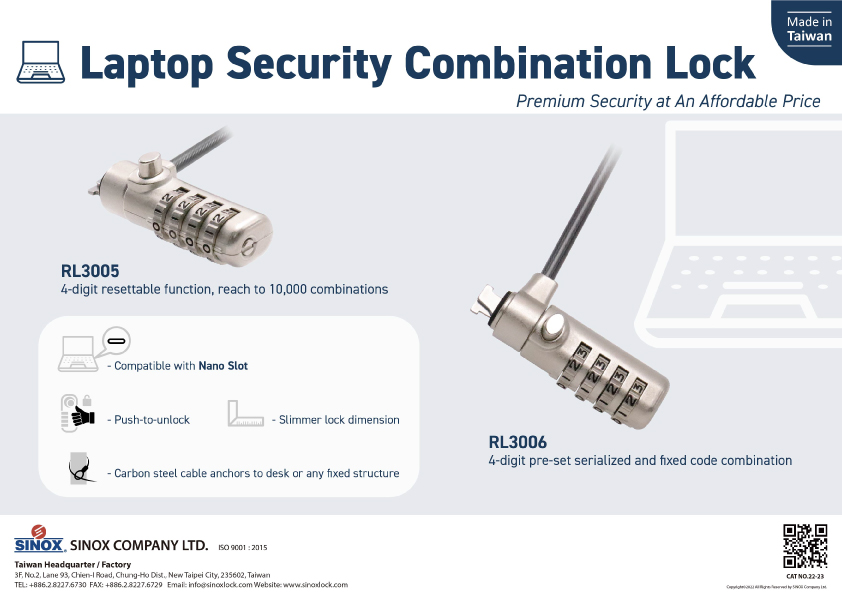
In the rapidly evolving digital landscape, the integration of AI-enabled devices has become a pivotal aspect, emphasizing the critical need to ensure the security of these advancements. SINOX Group stands at the forefront of this endeavor, poised to showcase their latest innovations in computer security locks at Computex Taipei 2024, tailored specifically for the AI-driven era.
As the theme “Connecting AI” suggests, the event will serve as a platform to highlight the avant-garde AI technologies and their diverse applications, shedding light on the transformative potential of these advancements.
Recognizing the increasing prevalence of AI-powered PCs and the corresponding demand for enhanced security measures, SINOX Group has dedicated itself to pioneering research and development in this domain, culminating in a range of meticulously engineered locking mechanisms designed to bolster the security of AI-integrated devices.
The exhibition will feature a showcase of SINOX’s latest offerings, including the innovative Arc tips, a tailored MacBook Pro security solution, a versatile Docking station, and Universal locking tips capable of accommodating various device dimensions and configurations, all meticulously crafted to meet the evolving needs of AI-centric devices.
Enthusiasts and professionals are encouraged to explore these cutting-edge solutions at SINOX’s booth, Q0804 in Hall 2 (TaiNEX2), during the event from June 4th to June 7th, 2024, providing a firsthand look at how SINOX Group is leading the charge in safeguarding the future of AI technology through their state-of-the-art security apparatuses.
Aluminum extrusion is a process that shapes aluminum by forcing it through a die. It produces complex and lightweight parts that are strong and uniform. The parts are treated to improve their properties and can be customized to fit specific needs. Custom aluminum extrusion fabrication is a fast and cost-effective way to create high-quality components for various industries. It has many benefits, such as corrosion resistance, thermal and electrical conductivity, and aesthetic appeal. Custom aluminum extrusion fabrication is a key technology for modern manufacturing.
What is Aluminum Extrusion
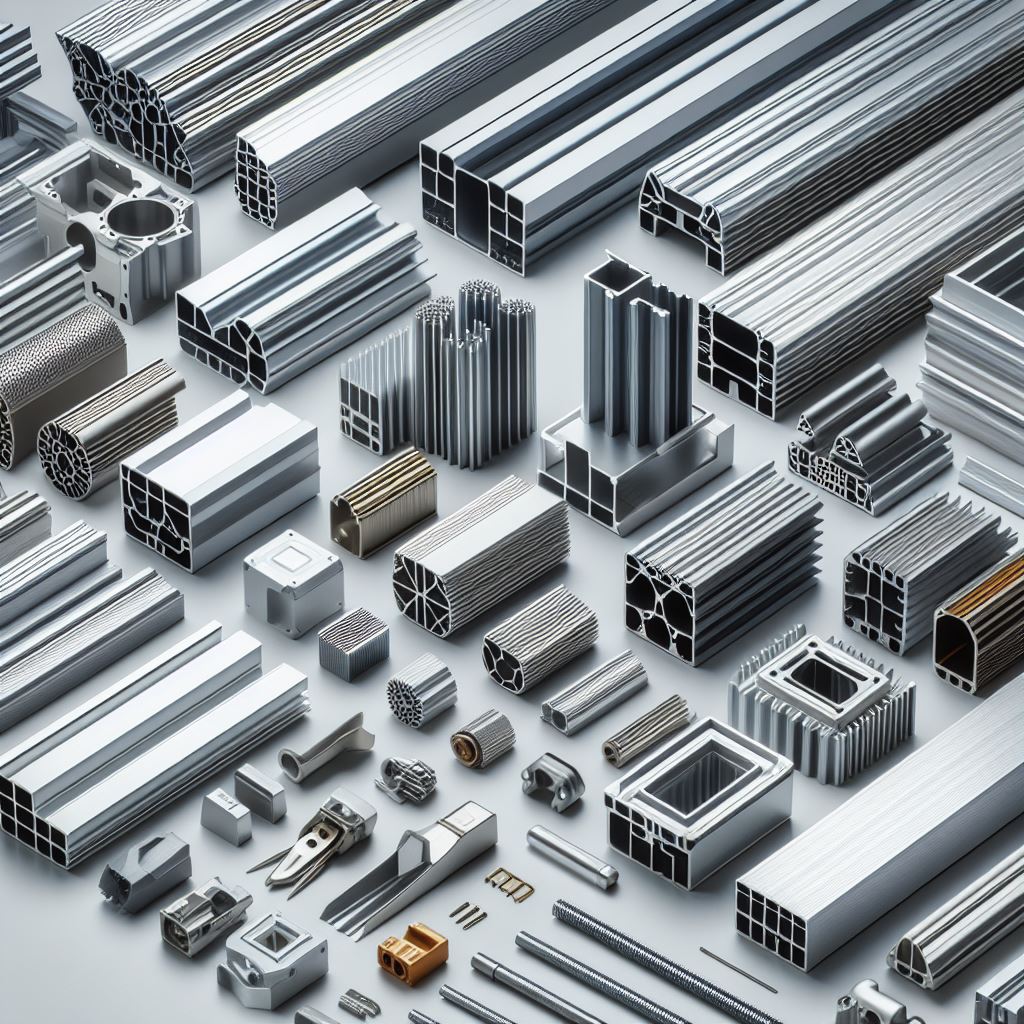
Types of custom aluminum extrusions Generated with Bing AI Image Creator
Aluminum extrusion is an industrial process that shapes aluminum by forcing it through a die with a specific cross-sectional profile. This method allows for the production of complex and lightweight components that are structurally strong and consistent in shape. The extrusion process begins with the selection of the appropriate aluminum alloy, such as 6061 or 7075, which is then heated and pushed through the die. The extruded material is cooled, hardened, and subjected to various treatments like T5 or T6 to achieve the desired mechanical properties. This process is ideal for creating a wide range of products, from simple angles and channels to intricate custom profiles.
Customization and Precision in Aluminum Extrusion Fabrication
Custom aluminum extrusion fabrication stands out for its ability to produce tailor-made solutions for specific industry needs. By designing a unique die, manufacturers can create profiles that perfectly match the requirements of their applications. The advanced technology involved in the extrusion process, including 3-axis and 5-axis milling machines, ensures high precision and quality. The material’s thickness, dimensions, and component weight can be controlled with tight tolerances, resulting in parts that meet the most demanding specifications. This level of customization and precision is invaluable for industries ranging from automotive to construction, where specialized components are essential.
The Benefits of Custom Aluminum Extrusion Fabrication
The benefits of custom aluminum extrusion fabrication are numerous and impactful. This process allows for on-demand delivery of extrusion parts, facilitating cost-effective series production. The use of aluminum in extrusion offers a lightweight yet durable solution, with the added advantage of being corrosion-resistant. Custom extrusions can also be designed to optimize thermal and electrical conductivity, making them suitable for applications such as electrical systems and cooling devices. Furthermore, surface treatments like anodizing and powder coating enhance the appearance and longevity of the components. With its combination of efficiency, versatility, and quality, custom aluminum extrusion fabrication is a cornerstone in modern manufacturing.
Precision Aluminum Extrusion by DMS Group
DMS Group is a leading provider of aluminum extrusion services, offering customization options using different aluminum alloys like 6061 and 7075. They can handle a wide range of material thicknesses and component weights, catering to both complex and large-scale extrusion needs.
DMS utilizes cutting-edge extrusion methods to ensure high accuracy and quality in the production process. They also provide various surface treatments like anodizing and powder coating to enhance the performance and appearance of components.
DMS Group is dedicated to delivering extrusions that meet the highest quality standards and adhere to your delivery schedule. Their service is tailored to your exact specifications, from design to the final product. They employ the latest extrusion technology and work with different aluminum series to create lightweight and durable parts.
With a commitment to precision, DMS Group guarantees tolerances up to 0.1 mm. They also offer heat treatment options like T4, T5, and T6 to optimize material properties for specific applications. Their goal is to provide flawlessly crafted solutions that are delivered on time to support your project.
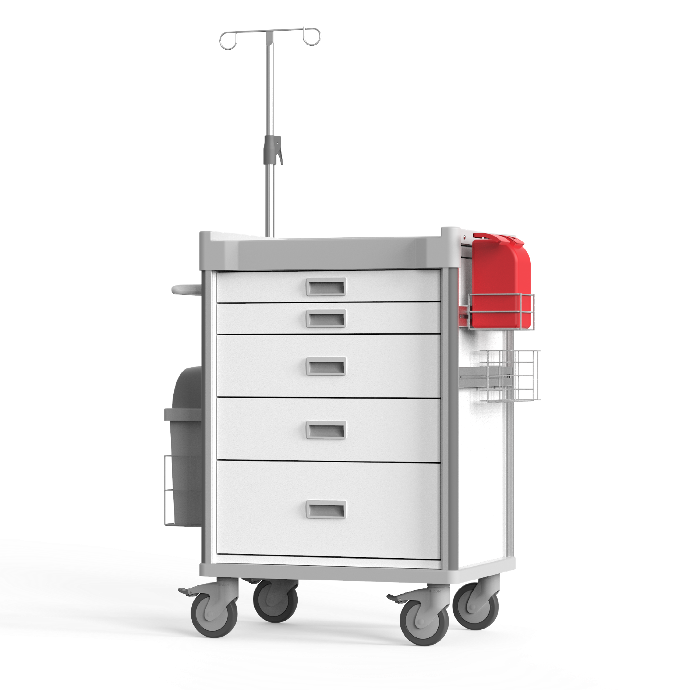
Medical procedure carts, an indispensable tool in healthcare settings, are designed to streamline the process of patient care. These carts are tailored to meet the unique needs of different areas within a medical facility. Their versatility is evident in their widespread use across hospitals, nursing homes, emergency rooms, and clinics. These carts serve a dual purpose: facilitating general aid procedures and organizing medical supplies. Customization is key, allowing for a variety of configurations to suit the specific needs of healthcare providers. The dimensions, materials, and drawer layouts can vary, offering flexibility in their functionality. Some carts come equipped with multiple drawers of varying sizes, while others feature compartments with doors for secure storage.
The adaptability extends to accessories as well, with procedure carts being outfitted with additional features to accommodate different medical scenarios. This level of customization ensures that healthcare professionals have quick and easy access to the necessary tools and supplies, enhancing the efficiency of patient examinations and treatments. With everything in one location, medical staff can focus on providing high-quality care, making these carts a valuable asset in any healthcare environment. These medical treatment carts also feature removable antimicrobial plastic tops that promote hygiene and are easy to clean, ensuring a safer environment for patients and healthcare workers.
Machan: Top Taiwan OEM/ODM Manufacturer in Custom Procedure Trolley for Medical Environments
Treatment and Procedure Carts by Machan are the backbone of patient care in various medical settings. These carts are indispensable in hospitals, nursing homes, and small clinics due to their suitability for multiple purposes. Whether for general aid procedures or storing medical supplies, these carts are designed to be the most versatile model of medical carts available. Their adaptability to different configurations ensures that they can be tailored to meet the specific preferences of the end user, from drawer sizes to compartment arrangements.
Machan understands that the needs of healthcare facilities vary greatly, which is why our treatment trolleys can be customized to the finest detail. The drawer configuration can include a range of sizes and orders, and the carts can be accessorized with additional features to match the requirements of any hospital scenario. From big drawers for bulky supplies to inner compartments with secure doors, the customization possibilities are endless.
When it comes to providing outstanding patient care, the details matter. Machan’s Treatment and Procedure Carts offer a level of customization that allows healthcare providers to focus on what they do best—caring for patients. With the ability to adapt to any medical environment and enhance the efficiency of care, Machan’s carts are the smart choice for any healthcare facility looking to optimize its operations and patient outcomes.
To know more about injection molding? In addition to the basic introduction to injection molding, this article also analyzes the advantages, disadvantages, and application scope of injection molding. The most important thing is that this article teaches you how to save injection molding costs for your company. If you are facing whether to use injection molding process production, you must read it.
1. What is injection molding?
Injection molding instructions:
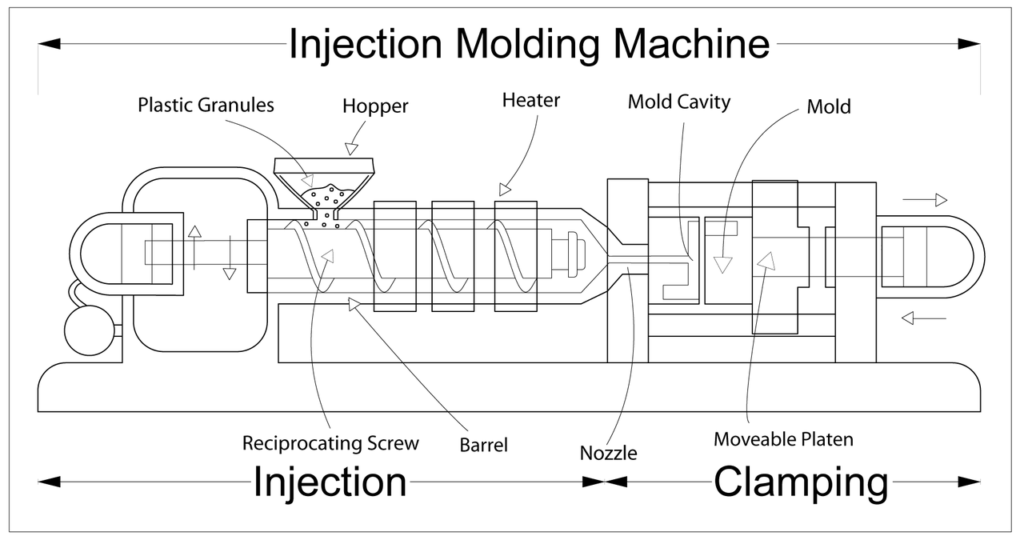
Injection molding is the most commonly used process for producing plastic parts which are mainly accomplished by melting plastic at high temperature and injecting it into a mold. The plastic injection molding process is suitable for mass production of the same plastic product in a short period of time.
Common materials for injection molding:
Injection molding materials include thermoplastic, thermoset plastic, elastomer, or metal-based materials, and the most commonly used are thermoplastic and thermoset polymers. High-performance plastics that can withstand high temperatures are gradually replacing traditional plastics.
The plastic material of injection molding
is usually granular, which needs to be heated at a high temperature so that the
raw materials can melt in the material tube.
2. Injection Filling
The heated plastic is filled into the mold
through the screw.
3. Pressurization
In order to avoid the backflow of the raw
material, when the raw material is filled into the mold, the space in the mold
will continuously be pressurized to ensure the compactness of the raw material
filling.
4. Cooling
After the mold is filled, the injection
part needs to cool down, and the cooling time depends on the type of plastic
used and the thickness of the part. Each mold is designed with internal cooling
or heating lines, and water circulates through the mold to maintain a constant
temperature.
5. Ejection
After cooling down the mold, the ejector
pin on the mold will push the product out of the mold.
3. What is the applicable scope of injection molding?
The application range of injection molding
can be mainly divided into six categories:
1. Food and Beverage:
When it comes to injection molding, the food and beverage industry relies on plastic materials to manufacture product packaging and containers, and different types of injection-molded food containers such as plastic cookie mold. So, components used in food and beverage processing equipment must meet safety guidelines including BPA-free, FDA-certified, non-toxic, and GMA safety regulations.
2. Auto parts:
Many parts of modern automobiles have turned to plastic injection molding for development, planning, and manufacturing. Auto parts by automotive injection mold technique, plastic injection molding to accomplish through standardization and modularization, the development of molds can be more cost-effective, and automobile parts can also be produced more quickly and consistently.
3. Medical and pharmaceutical:
Because many medical products must be shatterproof, non-porous, and perfectly shaped, medical plastic injection molding is critical for medical and pharmaceutical production. As a high-volume producer, the medical industry can benefit from the reduced production time and affordable production materials of injection molding, while still obtaining high-quality medical-grade products. Medical and pharmaceutical parts manufactured using injection molding range from medicine bottles to X-ray assemblies.
4. Household items:
With a simple trip to your kitchen, you have a good chance of finding household injection moldings or parts. From Tupperware to building materials used in construction, there’s no denying the industry wouldn’t be what it is today without injection molding. Through the production method of plastic household mold molding, household products can be made more affordable and more diverse.
5. Agriculture:
The choice of reinforced plastics is
favored due to new plastic material properties such as UV resistance, impact
resistance, moisture resistance, etc. The ability to produce durable products
that can stand up to the elements of the farm makes plastic injection molding
clearly suitable for agriculture, from feeding troughs to specialized
harvesting components.
6. Electronic products:
While many people think of electronic components as metal mechanical parts that run primarily on electricity, improving system longevity with a corrosion-resistant plastic enclosure improves overall performance. As you might have guessed, manufacturing the case via a plastic electronic injection molding process is preferred. The computer mouse you’re probably using right now, as well as the TV in your living room, probably has some components that are injection molded from plastic.
4. what are the
advantages and disadvantages of injection molding?
advantage:
1. Low Scrap Rates with Injection Molding
Injection molding produces lower scrap rates compared to traditional manufacturing processes such as CNC machining, which cut away most of the original plastic block or sheet.
2. Each product is Consistency
Injection molding ensures consistency in every part produced, as one of the characteristics of plastic injection molding.
Drawbacks:
1. Small design errors will cause big costs with injection molding
The early stage of development costs a lot because of testing, tooling requirements, and the mass-produced parts quantity requirement from the manufacturer. All you need to do is to make sure you get the design right the first time.
2. Be Ready for High Tooling Costs for Injection Molding
When you develop a mold up front, you have to design the part and make a prototype, you have to design a mold that can mass-produce replicas of the part and make a prototype. Finally, after extensive testing in the two stages above, you can inject mold apart. However, you need to be ready It might cost more money in the process.
5. How to save the
cost of injection molding for yourself?
1. Consider the injection part size
The amount of material should be reduced as
much as possible, cause unnecessarily large parts or features add not only a
monetary cost but also a time cost.
2. Design for manufacturability analysis
Finding an experienced partner or mold maker can save you a lot of time and money in the long run. Identifying issues such as impossible geometries, insufficient draft angles, and moldable features at an early stage will eliminate financial and cosmetic expenses along the way.
3. Intelligent mold design
You can save money by partnering with a molder who designs molds intelligently. How your part is positioned in the mold can have a major impact on cost. Correct part positioning optimizes how molds are filled and reduces scrap.
4. Modify your mold
Reduce costs by modifying molds rather than buying a brand-new mold for every modification. With design tool inserts, you can shape various versions and functions.
Bring you the speed advantage For the same area, using a spray gun not only finish spraying quickly but also save time.
Consistency of quality application The most feared thing in the spraying process is unevenness. Unevenness not only causes unsightly but also brings great troubles. A special spray gun can help you achieve the stability and consistency of the spraying quality.
Control and reduce coating costs Spraying with a spray gun can reduce the cost of coating refills caused by uneven spraying
Reduced labor costs An easy-to-use spray gun can help reduce labor costs, and you can achieve efficient work results without hiring so many workers.
Easy to operate The spray gun only needs to determine the amount of spray material through the size of the hand pressure, and the detailed area can be controlled with a smaller force, so that less paint is sprayed, and the details of the sprayed surface can be modified more.
The spray gun can be applied in a wide range, including the following applications:
Upholstery & Building materials spray
Automation equipment spray
Aerospace Technology spray
Furniture manufacturing spray
Car, yacht repair spray
Industry spray
Artistic creation spray
Electronic spray
Computer shell, mobile phone shell, cosmetic container shell spray
Model, ceramic glaze painting spray
Spray gun spraying methods are mainly divided into the following two types:
Air atomized spraying Air spraying is the use of compressed air to flow through the nozzle hole of the spray gun to form a negative pressure. The negative pressure causes the paint to be sucked in from the straw and sprayed out through the nozzle to form a paint mist. The paint mist is sprayed on the surface of the painted parts to form a uniform paint film
High-pressure airless spraying A kind of spraying method in which the paint is pressurized through the airtight container built in the high-pressure airless spraying equipment, and then the paint is atomized into fine particles through the nozzle and sprayed directly on the surface of the object
Design medical equipment with operator experience & workplace ergonomics in mind by selecting the right medical casters.
To understand the importance of using the right casters on medical equipment in a healthcare environment, let us examine a scene in an archetypal hospital where patients, carts and sensitive equipment are constantly ushered to various rooms, crossing multiple floors and possibly traveling long distance. Since the environment is in flux, it is imperative to consider the performance and failure rates of casters when evaluating the design of medical equipment both using original casters and replacement casters.
While failure rates are easy to measure, quantifying the performance of casters can be relatively difficult especially because casters tend to become less efficient over time. Just because a caster is still functional, it is not necessarily performing optimally. To illustrate, wrong casters may fail to absorb shock optimally whereby constantly transferring unacceptable shocks to both the equipment and the operator, leading to breakdown of the equipment and potential injuries to the operator. Additionally, an untimely caster failure can put critical equipment temporarily out of use.
Since casters need to constantly perform at their peak and be durable to create a positive impact on ROI, the logical next step is to examine how to identify the right medical casters for intended applications. Here are a few key points to consider:
Wheel Material: The wheel material that you select impacts a variety of performance parameters. Popular choices for medical applications include Neoprene and Urethane wheels which are considered quiet, non-marking and shock absorbent. Accounting for these factors creates an environment which restricts noise levels for both patients and operators, reduces risk of damaging floors, while also extenuating damages to the equipment and injury to personnel.
Load Capacity: In general, it is recommended that each caster should have the capacity to support one-third of the total load weight of the load.
Floor and Environmental Conditions: Floor conditions could include towing equipment on greasy surfaces. Environmental conditions could include exposure to harsh chemicals, etc. These factors need to be weighed when selecting casters.
Requirements for Braking and Locking Mechanism: There are various options available. Usually, the braking and locking mechanism on medical casters is more complex than on industrial casters.
Wheel Diameter and Bearing: Optimal wheel diameter and bearing selection will have a positive impact on maximizing mobility and enhancing workplace ergonomics.
G-force (a measurement of the type of acceleration that causes a perception of weight): A lower g-force improves shock absorption and provides extra protection to the equipment while also assisting to reduce injury risks to operators.
Durability: Consider the number of kilometers a single piece of medical equipment is expected to travel during its product life cycle. Casters with durability curate replacement costs.
IEC / ISO Specifications:
IEC 60601: Technical standard for the safety and effectiveness of medical equipment
ISO 22881: Requirement for use on manually propelled equipment for institution applications
ISO 22882: Requirements for castors for hospital beds
ISO 22883: Requirement for applications up to 4 km/h
ISO 22884: Requirement for applications over 16 km/h
For the OEMs, besides considering the points above that end-users value, the following can be factored in:
Aesthetics, A Key Element of Product Design: In an era where form is considered as important as function, imagine a situation where a cutting edge ultrasound machine is outfitted with casters that appear more like tools added purely for their functional value. This would reduce the premium feel of the equipment. Similar to cutting edge automobiles which use wheels to enhance the function as well as the appearance of their products, casters can be used to add to the overall design and premium feel of the medical equipment.
Using Casters with A Positive Reputation: Many end-users prefer casters from trustworthy and well-known manufacturers therefore including these casters on the original equipment creates additional value for the end-users.
Collaborating with Caster Manufacturers at The Early Stage of New Product Development: To ensure that casters are “right” for the intended application, it is a great practice to involve caster manufacturers early in the product design process. Early inputs from caster manufacturers can reduce the time to market and significantly improve design value.
Selecting the right casters makes a positive impact to a variety of key areas including longevity of equipment and enhanced workplace ergonomics. The right casters improve efficiency and productivity and, in turn, ROI.
To find the trustworthy and well-known medical caster manufacturer, I recommend you to visit Enjoying Go Co., Ltd. – they are the Taiwan caster wheel manufacturer specializing in kinds of office chair casters, furniture caster wheels, hardwood floor casters, medical caster wheels, etc. Today, if you have requirement or interest in caster wheel replacement, please do not miss Enjoying Go!
Tapioca is a starch extracted from the roots of cassava. It mainly contains carbohydrates and low amounts of nutrients like vitamins, fiber, proteins, and others. It has a texture similar to corn flour. It has a neutral taste and is grain-free, gluten-free, and nut-free. It is called by different names in different regions.
According to Research Reports World’s market research report, the increased awareness on the health benefits of tapioca will be one of the major factors fueling the growth of the tapioca market during the next few years.
APAC is expected to be the major revenue contributor to the market throughout the forecast period. This region is the largest market and second-largest producer of tapioca products. The leading countries driving the demand for cassava flour products in APAC are China, Thailand, Indonesia, Vietnam, and India. Tapioca chips are readily available in India and are more popular than potato chips.
Global Tapioca market size will have rising tendency from 2018 to 2025. If you want to learn more Tapioca Industry Global Market Research Report, please visit: Research Reports World
By the way, if you have interest in common tapioca products like tapioca pearls, I recommend you to visit Empire Eagle Food Co., Ltd. – they are the professional tapioca and bubble tea supplier in Taiwan. Visit Empire Eagle for more details of bubble tea toppings.