
2025 Growth Trends of Bubble Tea in the U.S. and European Foodservice Industry

Bubble Tea Market

Bubble tea, also known as boba tea, has rapidly evolved from an Asian specialty drink into a mainstream beverage category across the U.S. and European markets. In 2025, the growth trajectory of bubble tea in the foodservice sector continues to accelerate, fueled by shifting consumer preferences, cultural crossover, and innovation in product supply.

This article explores the key growth trends, drivers, and industry players shaping the future of bubble tea in Western markets.

Bubble Tea Market Growth Overview

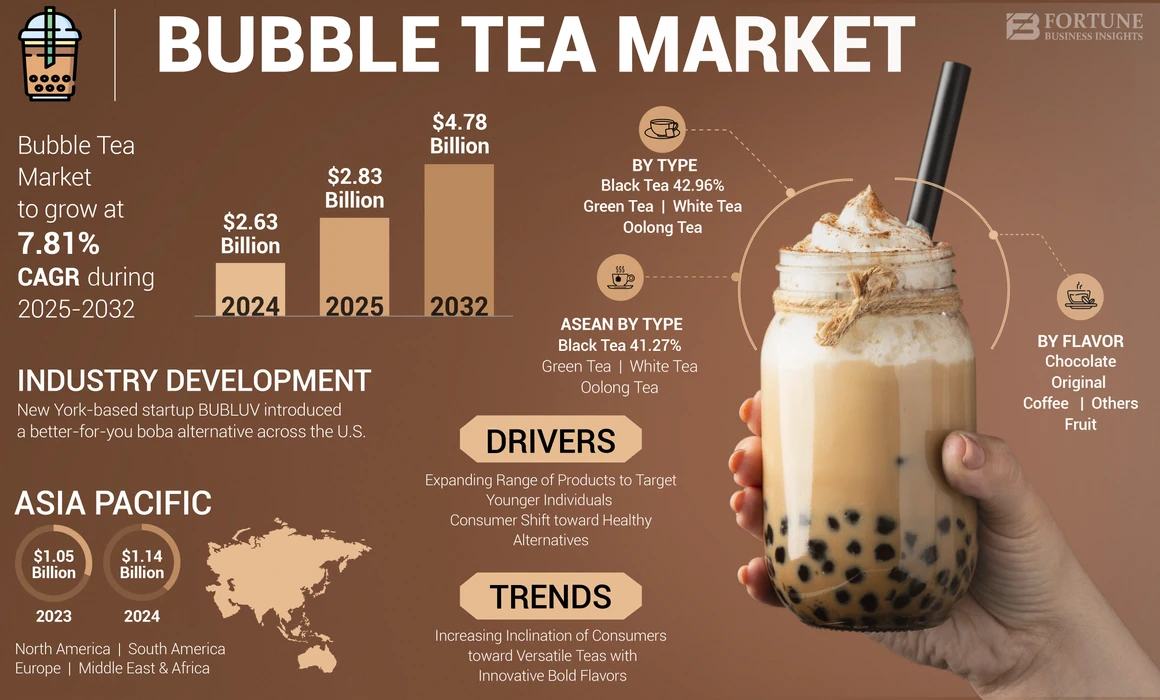
According to Fortune Business Insights, the global bubble tea market is expected to surpass USD 4 billion by 2032, with significant momentum coming from North America and Europe.
(Fortune Business Insight)
The U.S. market has seen steady growth as bubble tea expands beyond ethnic enclaves into mainstream cafés and restaurants. Meanwhile, in Europe, countries like the U.K., Germany, and France are experiencing strong adoption driven by younger demographics seeking novel beverage experiences.

Key Growth Drivers in 2025

  1. Gen Z and Millennial Influence: Younger consumers remain the largest demographic group driving bubble tea consumption. They value customization, fun textures, and social media-friendly drinks.
  2. Diversification in Foodservice: Restaurants and cafés are increasingly integrating bubble tea to differentiate their menus.
  3. Health-Conscious Options: Innovations in low-sugar bases, dairy alternatives, and fruit-based options are broadening the customer base.
  4. Digital Ordering & Delivery: Online ordering platforms and delivery services make it easier for customers to access bubble tea conveniently.

Industry Players: Global Bubble Tea Suppliers

The growth of bubble tea in the West has also been supported by a strong ecosystem of global bubble tea suppliers. Below is an overview of five notable companies:

SupplierContribution
Boba EmpireOffers end-to-end bubble tea solutions including ingredient sourcing, customized shop consultation, and operational support.
Boba CHICKnown for premium popping boba and flavor bases, widely exported to global markets.
Chatime InternationalOperates retail outlets and supplies ingredients, emphasizing branding and franchising.
Kung Fu TeaProvides franchise solutions and ready-to-drink concepts.

Each of these players contributes to making bubble tea more accessible for operators, ensuring consistent quality and driving adoption in diverse markets.

Challenges Facing the Market

Despite rapid growth, bubble tea integration in Western foodservice is not without hurdles:

  • Supply Chain Reliability: Consistent delivery of tapioca pearls and syrups is critical, especially in cross-border logistics.
  • Operational Complexity: Preparing bubble tea requires training and equipment that some operators may find challenging.
  • Health Perceptions: Concerns about sugar content may hinder adoption if not balanced with healthier alternatives.

Addressing the Challenges

Suppliers are increasingly offering ready-to-use ingredients and frozen storage options to reduce operational burdens. Meanwhile, product innovation in low-calorie sweeteners and plant-based alternatives helps address consumer health concerns.

Future Outlook

Looking ahead, bubble tea is expected to:

  • Expand into more mainstream menus at casual dining restaurants.
  • Evolve into healthier formats with plant-based, functional, and sugar-reduced options.
  • Embrace digital-first strategies to strengthen brand visibility through social media and influencer marketing.

Conclusion

The bubble tea market in 2025 is defined by rapid growth, diversified adoption, and global collaboration. With strong demand from younger demographics, operational support from suppliers, and evolving consumer health trends, bubble tea is well-positioned to remain a staple in U.S. and European foodservice for years to come.
Power Chuck Demand Growth by 2030: Regional Analysis

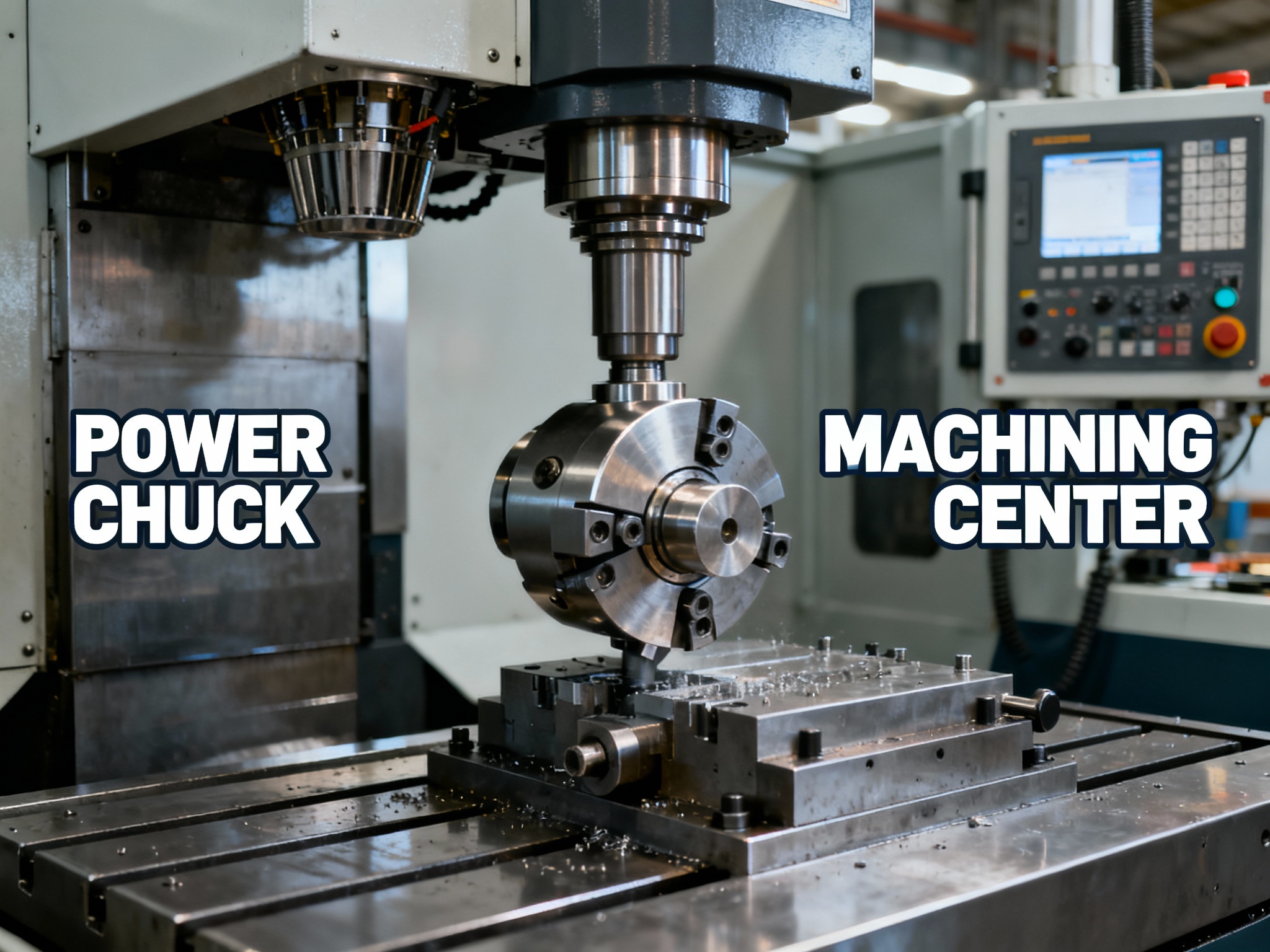
The global power chuck market is poised for steady expansion through 2030, driven by industrial automation, precision machining needs, and the integration of smart manufacturing technologies. This report evaluates which regions will experience the fastest demand growth, supported by industrial policy, economic development, and technological adoption.

Global Market Overview

Power chucks are essential for high-precision machining operations, providing firm workpiece clamping in industries such as automotive, aerospace, energy, and general manufacturing. The market outlook is positively influenced by:

  • Rising demand for automation and Industry 4.0 adoption
  • The push for higher efficiency and sustainability in machining
  • Increasing capital investment in advanced manufacturing infrastructure

Regional Analysis

Asia-Pacific (APAC)

APAC is projected to be the fastest-growing region for power chuck demand by 2030. China’s “Made in China 2025” initiative is fueling investment in high-precision equipment, while India’s automotive and aerospace industries continue to expand. Japan and South Korea remain strong contributors due to advanced manufacturing ecosystems. This region’s digital manufacturing adoption and sustainability focus further strengthen demand growth (360iResearch).

North America

North America is expected to witness substantial growth, supported by the U.S. government’s reshoring strategies and investment in advanced manufacturing. The rise of data centers and industrial resilience efforts indirectly drive machining tool demand. Favorable policies and technological leadership position the region for consistent growth (Deloitte Insights).

Europe

Europe’s market demonstrates steady demand, supported by a strong manufacturing tradition and focus on sustainability. Germany, France, and the UK lead in adoption, emphasizing high-precision engineering, automation, and green manufacturing practices. Regional initiatives to lower carbon footprints further boost the use of advanced chucks (Valuates Reports).

Middle East & Africa (MEA)

MEA presents emerging opportunities, particularly in energy infrastructure and heavy equipment fabrication. Nations investing in industrial diversification—such as Saudi Arabia’s Vision 2030—are fostering demand for machining equipment including power chucks (360iResearch).

Latin America

Latin America is projected to show moderate growth, supported by infrastructure upgrades and industrial modernization. Brazil and Mexico are the primary markets driving adoption of advanced machining systems (Valuates Reports).

Key Growth Drivers

  • Technological Advancements: Integration of Industry 4.0, IoT, and digital manufacturing tools enhances machining precision and efficiency (ShiftFocus Automotive Research).
  • Industrial Policies & Initiatives: Government programs such as “Made in China 2025” and U.S. reshoring strategies are fueling market growth.
  • Sustainability & Eco-Friendly Practices: Demand for environmentally responsible manufacturing supports the adoption of advanced, durable chuck solutions.

Leading Global Power Chuck Manufacturers

Below are ten globally recognized manufacturers shaping the power chuck industry :

  1. AUTOGRIP MACHINERY CO., LTD. – Taiwan-based specialist in high-precision power chucks and rotary cylinders.
  2. Bison-Bial – A leading Polish chuck manufacturer with a strong European footprint.
  3. Kitagawa – Japanese leader in workholding solutions with global distribution.
  4. Schunk – German-based automation and clamping technology innovator.
  5. Röhm GmbH – A German brand renowned for precision clamping tools and high-end power chucks.
  6. Samchully Machinery – A South Korean manufacturer known for reliable CNC workholding solutions.
  7. SMW Autoblok – A global supplier headquartered in Germany/Italy, specializing in high-tech clamping systems.
  8. Erowa – Swiss manufacturer focusing on automation-ready workholding solutions.
  9. Seoam Machinery – Korean company producing a wide range of chucks for global markets.
  10. Howa Machinery, Ltd. – Japanese firm with extensive expertise in machine tool accessories including power chucks.

Conclusion

By 2030, APAC is forecast to remain the fastest-growing region for power chuck demand, led by China and India’s industrial expansion. North America and Europe will also see robust growth driven by policies and sustainability goals. MEA and Latin America provide emerging opportunities tied to industrial infrastructure investments. With automation, digital manufacturing, and eco-friendly practices reshaping machining, the power chuck industry is well-positioned for significant growth worldwide.

References

Evolving Market Outlook for CNC Magnetic Workholding Tools: Trends from 2025 to 2030

The CNC magnetic workholding tools industry is entering a transformative phase from 2025 through 2030. As global manufacturers prioritize higher precision, digital integration, and sustainability, magnetic workholding systems are becoming central to advanced machining strategies. This article reviews the major factors shaping the market, evaluates the influence of trade dynamics, and highlights leading manufacturers setting benchmarks in this competitive field.


Key Market Drivers

Precision and Productivity Demands

Industries such as aerospace, automotive, and electronics continue to demand ultra-precise machining solutions. CNC magnetic workholding systems provide quick setups, enhanced accuracy, and secure holding capacity for both ferrous and non-ferrous materials—qualities that are critical for high-performance and low-margin manufacturing environments (Consegic Business Intelligence, 2024).

Integration of Digital Technologies

Technologies such as AI, IoT, and digital twins are reshaping how CNC machines interact with workholding devices. AI-assisted monitoring helps anticipate tool wear, while IoT platforms allow real-time performance tracking across factory floors (Accio, 2025; Manufacturing Tomorrow, 2025). Digital twins further enable simulation and optimization of machining strategies before production, lowering waste and costs (CNC Yangsen, 2025).

The Sustainability Imperative

With sustainability increasingly influencing procurement choices, manufacturers are focusing on eco-efficient workholding designs. Trends include energy-saving magnetic clamping systems, coatings enhanced by nanotechnology, and carbon-neutral production practices (Future Market Insights, 2025).


Technology Innovations Reshaping the Sector

  • AI and Machine Learning: Enhancing predictive maintenance and production consistency.
  • IoT-Connected Workholding: Centralized data collection boosts uptime and utilization.
  • Digital Simulation: Digital twin adoption reduces prototyping costs and accelerates optimization.

These technologies collectively push the CNC magnetic workholding tool industry closer to the full realization of Industry 4.0 and smart factory concepts.


Global Trade and Market Dynamics

Tariffs and Supply Chain Disruptions

Ongoing tariff disputes—such as those between the U.S. and China—have increased material and component costs, creating challenges for global suppliers (Wat Cutting Tools, 2025).

Opportunities for Regional Suppliers

At the same time, local manufacturers in North America and Europe may capture new opportunities as OEMs diversify supply chains away from tariff-affected regions (MMT CNC, 2025).


Implications for Industry Stakeholders

  • Producers: Continuous investment in sustainable solutions and advanced automation technologies is vital to remain competitive.
  • Suppliers: Supply diversification and stronger local partnerships will help mitigate trade-related risks.
  • End-users: Adopting digitally connected workholding tools enhances long-term operational efficiency and aligns with sustainable production goals.

Leading Global CNC Magnetic Workholding Tool Companies

The following companies are widely recognized for innovation and market leadership in CNC magnetic workholding:

  1. Earth-Chain Enterprise Co., LTD.Earth-Chain Enterprise Co., LTD. – Taiwan-based company specializing in Customized Magnetic Chucks, Magnetic Clamping Blocks, and Battery-Powered Lifting Magnets.
  2. SCHUNK GmbH & Co. KGSCHUNK GmbH & Co. KG – German provider of clamping systems and automation solutions.
  3. WEN Technology Inc.WEN Technology Inc. – U.S. firm focusing on electro-permanent magnetic workholding.
  4. SAV GmbHSAV GmbH – German company delivering customized magnetic clamping systems.
  5. Kanetec Co., Ltd.Kanetec Co., Ltd. – Japanese manufacturer offering lifting magnets and precision chucks.
  6. Walker Magnetics (A Magna Company)Walker Magnetics (A Magna Company) – U.S. pioneer with a broad product line in magnetic workholding and lifting.
  7. Hishiko CorporationHishiko Corporation – Japan-based supplier of electro-permanent magnetic chucks for CNC machining.
  8. Tecnomagnete S.p.A.Tecnomagnete S.p.A. – Italian company specializing in electro-permanent magnetic technology.
  9. Eclipse MagneticsEclipse Magnetics – UK manufacturer with expertise in clamping and separation systems.
  10. Braillon MagneticsBraillon Magnetics – French provider of heavy-duty and customized magnetic solutions.

Conclusion

From 2025 to 2030, CNC magnetic workholding tools will evolve in response to digitalization, sustainability pressures, and shifting global trade conditions. While tariffs and supply chain risks pose challenges, companies leveraging AI, IoT, and eco-efficient manufacturing will be positioned for success. The market’s trajectory underscores the growing importance of magnetic workholding as a strategic enabler in next-generation manufacturing.

UKL Group: Your One-Stop Partner for Garment OEM Solutions

The Changing Landscape of Garment Manufacturing

The modern apparel industry demands more than just quality products—brands today require reliable partners who can support them from concept to delivery. OEM (Original Equipment Manufacturing) has emerged as a pivotal model, enabling companies to diversify products, maintain brand integrity, and respond swiftly to market trends. Within this competitive landscape, UKL Group stands out as a leading provider of comprehensive garment OEM solutions.

About UKL Group

Established in 1988 in Taipei, Taiwan, UKL Group has over three decades of experience in the global textile and apparel sectors. The company’s focus on sweaters and knitwear has earned it a reputation as a trusted supplier among clients throughout Asia, the Americas, and Europe. From its head office in Taipei, UKL Group oversees a network of efficient production facilities across Mainland China, Indonesia, Vietnam, and Cambodia.

UKL’s specialization goes beyond manufacturing: the company offers customized product design, innovative research and development, and a robust infrastructure supporting every stage of the supply chain. As demand for sustainable and ethical production grows, UKL Group has also positioned itself at the forefront of sustainable manufacturing.

One-Stop OEM Solutions

What sets UKL Group apart is its commitment to providing truly one-stop OEM garment services. Brands benefit from a seamless pipeline—from initial design consultations and material sourcing to prototype development, bulk production, and logistics.

Key stages in the UKL workflow include:

  • Custom Design: UKL’s in-house design team leverages 3D simulation technology (such as CLO 3D) to help clients visualize products before sampling. This capability accelerates decision-making and ensures design intent is captured early.
  • Material Sourcing: The group sources sustainable yarns and fabrics, including BCI-certified cotton and GRS-certified recycled fibers. UKL works to ensure supply chain transparency and materials compliance, favoring eco-friendly and recyclable textiles.
  • Sample Development & Prototyping: Rapid prototyping facilities enable customers to evaluate fit, construction, and finish, reducing lead time from design to mass production.
  • Mass Production: With more than 50 production lines and several hundred computerized knitting machines in multiple countries, UKL boasts impressive scalability. This global infrastructure allows the group to balance cost, time, and quality to meet the needs of both emerging labels and established brands.
  • Quality Assurance: Each facility follows rigorous inspection protocols and international compliance standards, including certifications from WRAP, BSCI, WALMART, and COSTCO GMP audits.
  • Packaging and Logistics: UKL provides end-to-end logistics management, including packaging, labelling, and global shipping coordination.

These integrated services enable brands to focus more energy on marketing and sales, knowing that every critical aspect of the product journey has been professionally handled.

Global Production Network

UKL’s geographical diversification is a key asset for risk mitigation and responsiveness. Its production bases span:

Continue reading