
Comparing Commercial Produce Washers – Bubble, Brush, Spray & Ultrasonic — Which System Delivers the Best Food Safety Results?

Selecting the right vegetable washing machine is one of the most important decisions for food processors, central kitchens, packhouses, and fresh-cut facilities. The challenge for procurement teams and plant owners is clear:
Which washing technology provides the best cleaning depth, food safety performance, water efficiency, and long-term ROI?

With growing regulatory pressure (FSMA, HACCP, EU hygiene directives), rising labor shortages, and increasing consumer demand for safer ready-to-eat produce, the industry is shifting toward automated, consistent, and technology-driven washing systems. This article compares the four major types of commercial produce washers—bubble, brush, spray, and ultrasonic—and explains their strengths, limitations, and best-use applications.


Why Choosing the Right Produce Washer Matters

Produce contamination is one of the top causes of global foodborne illness outbreaks. According to the CDC, fresh fruits and vegetables contribute to nearly 46% of foodborne illnesses worldwide.

Poor washing performance leads to:

  • Microbial contamination (E. coli, Listeria, Salmonella)
  • Soil and sand residues
  • Pesticide traces
  • Cross-contamination during manual handling

A commercial washing line must therefore deliver consistent, deep cleaning while protecting delicate produce and supporting food safety compliance. This drives many processing plants to compare different washing technologies before upgrading or expanding their production lines.


Overview of the Four Major Produce Washing Technologies

The following sections break down each washer type based on cleaning performance, ideal applications, maintenance, and overall ROI.


Bubble Washing Systems

How Bubble Washers Work

Bubble washers use air agitation to lift and loosen dirt, soil, and light contaminants from produce surfaces. This method simulates gentle hand-washing and is effective for:

  • Lettuce & leafy greens
  • Berries
  • Spinach
  • Soft herbs
  • Delicate vegetables

Strengths

  • Protects fragile produce
  • Gentle but effective surface cleaning
  • Reduced mechanical damage
  • Supports medium throughput lines

Limitations

  • Limited deep-cleaning capability
  • Not ideal for soil-heavy items like root vegetables
  • Does not significantly reduce microbial load

Brush Roller Washing Systems

How Brush Washers Work

Brush washers use rotating brushes to physically scrub produce surfaces. They are commonly used for:

  • Carrots
  • Potatoes
  • Cucumbers
  • Beets
  • Round or firm produce

Strengths

  • Excellent for removing soil and mud
  • High throughput
  • Effective for firm and root vegetables

Limitations

  • Not suitable for delicate produce
  • Brushes require frequent cleaning to avoid cross-contamination
  • Higher wear and tear

Spray/High-Pressure Washing Systems

How Spray Washers Work

Spray washers rely on pressurized water jets aimed at the produce surface, which helps remove:

  • Soil
  • Fine debris
  • Chemical residues

Strengths

  • Good cleaning consistency
  • Effective for a wide variety of produce
  • Lower risk of mechanical damage compared to brush washers

Limitations

  • Limited ability to remove contaminants hidden in folds or cracks
  • Typically higher water usage
  • May require pre-washing for soil-heavy vegetables

Ultrasonic Fruit and Vegetable Washers

How Ultrasonic Systems Work

An ultrasonic fruit and vegetable washer uses high-frequency sound waves to create cavitation bubbles that collapse against the produce surface. This process dislodges contaminants at a microscopic level, reaching areas that no mechanical or bubble system can access.

Strengths

  • Deep-cleaning capability
  • Removes pesticides, microbes, and fine residues
  • Lower water usage due to efficient cavitation
  • Ideal for fresh-cut processing and high-risk applications

Studies show ultrasonic washing can reduce pesticide residues by 80–90% and microbial load by more than 2 log units.

Limitations

  • Higher initial investment
  • Requires trained personnel to manage ultrasonic settings

Summary Table: Comparing Produce Washing Technologies

Before examining the table, note that different washing mechanisms may be combined in one vegetable washing machine for improved results. However, the table helps procurement teams evaluate the core advantages of each system.

Comparison Table

Washing TechnologyCleaning DepthMicrobial ReductionDamage RiskWater EfficiencyBest For
Bubble WasherModerateLow–ModerateVery LowModerateLeafy greens, fragile produce
Brush WasherModerate–HighModerateMediumLowRoot vegetables, firm produce
Spray WasherModerateModerateLowLow–ModerateMixed vegetables, pre-washing
Ultrasonic WasherHighHighVery LowHighFresh-cut, premium produce, high-risk items

This table highlights why many facilities are shifting toward ultrasonic systems or hybrid washing lines that integrate spray + bubble + ultrasonic technologies to achieve optimal food safety results.


Industry Trends Shaping Procurement Decisions (2025–2030)

Trend 1: Automation & Labor Reduction

Automated washing lines reduce labor dependency and eliminate hand-washing inconsistencies, especially in large packhouses and fresh-cut facilities.

Trend 2: Sustainability & Water Savings

Water efficiency is now a key procurement criterion due to ESG reporting and rising utility costs. Ultrasonic washing significantly decreases water usage.

Trend 3: Demand for Clean-Label & Chemical-Free Washing

Consumers increasingly prefer produce washed without chlorine or harsh chemicals, pushing facilities toward mechanical and ultrasonic systems.

Trend 4: Tightening Food Safety Regulations

Food processors are investing in washing systems that support:

  • HACCP validation
  • FSMA readiness
  • EU hygiene compliance
  • Traceable sanitation procedures

What Procurement Managers Should Consider When Choosing a Washer

1. Type of Produce

  • Delicate greens → Bubble or ultrasonic
  • Root vegetables → Brush or spray
  • High microbiological risk → Ultrasonic

2. Required Cleaning Depth

Fresh-cut or ready-to-eat items require deeper sanitation.

3. Water Usage & Sustainability Goals

Ultrasonic systems generally outperform traditional methods.

4. Maintenance & Operating Costs

Brush rollers require more replacement; spray washers require filtration; ultrasonic systems require transducer maintenance.

5. Integration With Existing Lines

Modern vegetable washing machines often combine multiple washing stages to maximize food safety and throughput.


Why Many Facilities Choose LEO Ultrasonic (Manufacturer Overview)

Among global suppliers, LEO Ultrasonic Co., LTD is recognized for engineering high-performance ultrasonic cleaning machine manufacturer, offering solutions designed specifically for food processors, such as our ultrasonic fruit and vegetable washer for homeUltrasonic Commercial Fruit and Vegetable Washing MachineCommercial Ultrasonic Dishwasher

Key strengths include:

  • Proprietary ultrasonic cavitation technology
  • Hygienic stainless-steel design (304/316)
  • Energy- and water-saving systems
  • Modular configurations combining bubble + spray + ultrasonic washing
  • Engineering support for HACCP and global food safety compliance
  • Proven performance for fresh-cut, export-grade, and high-risk produce

LEO Ultrasonic’s washers are built for facilities seeking consistent deep-cleaning performance with lower operational costs.


Ready to Upgrade Your Washing Line?

Choosing the right produce washer directly affects contamination control, operational efficiency, and overall product quality. Whether you are upgrading an existing line or designing a new facility, a reliable ultrasonic system can significantly enhance food safety while reducing long-term labor and water costs. 👉 Contact LEO Ultrasonic
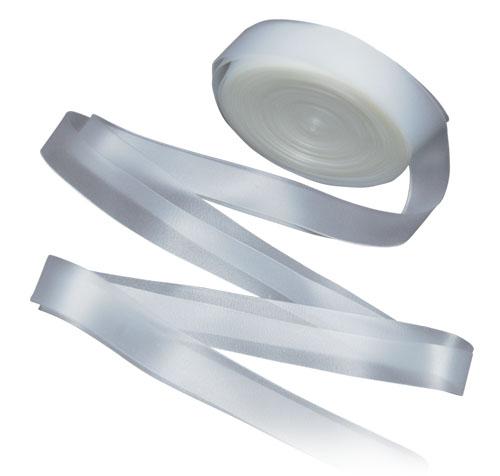
A Complete Guide to TPE Tourniquet Materials: Safety, Biocompatibility, and Performance

Medical tourniquets are essential tools in hospitals, laboratories, clinics, and emergency environments. They must provide consistent tension, comfortable skin contact, and predictable elasticity. In recent years, thermoplastic elastomers (TPE) have become one of the most widely adopted materials for tourniquet manufacturing due to their balance of safety, softness, and mechanical stability. Compared with traditional latex or synthetic rubber, TPE offers greater design flexibility, improved biocompatibility, and fewer allergy-related risks.

This guide covers the regulatory standards TPE must meet to be considered medical-grade, the mechanical performance metrics that influence user experience, how different formulations can be customized for clinical requirements, and how manufacturing capabilities ensure stable quality across large production volumes.

Why Medical Device Manufacturers Are Turning to TPE for Tourniquets

TPE is a versatile polymer family combining the flexibility of elastomers with the processing efficiency of thermoplastics. Because it can be molded, extruded, cut, and colored with precision, it is suitable for both disposable and reusable tourniquet designs. The material’s ability to mimic the softness of rubber without the risks associated with natural latex has accelerated its adoption in medical consumables.

Key advantages of TPE for tourniquets include:

  • Latex-free composition to prevent allergic reactions
  • Stable and predictable elasticity
  • Comfortable skin contact, even when tightened firmly
  • Good resistance to oils, disinfectants, and repeated stretching
  • Strong recyclability potential, depending on formulation
  • Ease of customizing hardness, color, friction, and stretch behavior

Since tourniquets are used frequently during blood collection, IV insertion, emergency treatment, and routine examinations, the combination of safety and comfort is especially important.

Medical-Grade Requirements for TPE Used in Tourniquets

Not all TPE grades are suitable for medical use. When used on human skin, especially in high-frequency procedures, the material must pass regulatory safety evaluations that ensure it does not leach chemicals, cause irritation, or break down prematurely. Three key international frameworks shape how medical-grade TPE is evaluated: ISO 10993, RoHS, and REACH.

ISO 10993 Biocompatibility Testing

ISO 10993 defines how materials used in medical devices must be tested for biological safety. For tourniquets—classified as skin-contact, externally applied tools—the most relevant tests include cytotoxicity, sensitization, and irritation assessments. These ensure that users do not experience redness, allergic reactions, or adverse tissue responses. A TPE that meets ISO 10993 has demonstrated that it is safe for routine medical procedures.

Reference: https://www.iso.org/standard/68936.html

RoHS Restrictions on Hazardous Substances

RoHS regulations limit the presence of heavy metals and harmful chemicals such as lead, cadmium, mercury, and certain flame retardants. Although tourniquets are not electronic devices, TPE manufacturers often comply with RoHS to ensure global distribution and safety. Compliance reduces the risk of chemical exposure for both patients and clinicians.

Reference: https://environment.ec.europa.eu/topics/waste-and-recycling/rohs-directive_en

REACH Compliance for Chemical Safety

REACH requires manufacturers to register and disclose chemical substances used in products, including polymer additives. For medical-grade TPE, this ensures:

  • No use of substances of very high concern (SVHC)
  • Full transparency of the material formulation
  • Consistent long-term safety for skin contact

REACH compliance is especially important for hospitals and distributors operating in the EU.

Reference: https://ec.europa.eu/environment/chemicals/reach/reach_en.htm

Together, these standards create a reliable framework that defines what qualifies as a safe, high-quality TPE tourniquet material.

Performance Characteristics That Influence TPE Tourniquet Quality

Clinical users often recognize the quality of a tourniquet immediately through its feel, stretch response, and grip on the skin. These characteristics are determined by material properties that can be measured and optimized. The following aspects are most critical.

Tensile Strength and Durability

Tensile strength is the maximum force the TPE can withstand before breaking. For tourniquets, tensile strength determines safety during tightening and reliability during repeated use. Soft medical-grade TPE typically ranges from 5–15 MPa, while stronger TPE blends may reach 25 MPa. A well-balanced material avoids snapping while still maintaining comfortable flexibility. High tensile strength also contributes to product consistency across hundreds or thousands of uses in non-disposable models.

Elastic Recovery Rate

Elastic recovery refers to how effectively the material returns to its original length after stretching. Good recovery ensures that the tourniquet maintains consistent compression and does not loosen unexpectedly. Strong recovery also reduces long-term deformation, allowing reusable models to maintain performance across many cycles. Clinicians benefit from predictable behavior because it reduces the effort required to adjust the strap and achieves more accurate occlusion.

Coefficient of Friction and Grip Behavior

The surface friction of a TPE strip affects how well it stays in place during use.

  • Too much friction can feel sticky, especially on sensitive skin
  • Too little friction causes slipping, requiring repeated adjustments

Manufacturers can control friction using additives, surface texturing, or altered polymer structure. An optimized friction level improves workflow efficiency by helping the tourniquet remain stable without excessive pressure.

How TPE Formulations Can Be Customized for Medical Applications

One of the major benefits of TPE is its tunability. Medical facilities and device brands often require specific colors, hardness levels, or elasticity behaviors. Through formulation adjustments, engineers can design TPE materials that match the needs of different clinical settings.

Hardness Adjustment for Comfort and Control

Hardness is measured using the Shore A scale. TPE for tourniquets usually falls between A20 and A60, offering a wide range of tactile experiences.

  • Softer grades (A20–A30) feel gentler and are ideal for pediatrics or sensitive skin
  • Medium grades (A30–A45) balance comfort with firmness for general clinical use
  • Firmer grades (A45–A60) provide greater durability for reusable tourniquets

Proper hardness selection can significantly impact the user experience and clinical performance.

Color Customization and Visual Identification

Healthcare environments increasingly rely on color coding to improve workflow and procedural clarity. TPE accommodates almost any Pantone color, enabling:

  • Department-based color differentiation
  • Identification of reusable vs. disposable models
  • Branding for private-label medical products

Color stability in TPE formulations ensures that the tourniquet maintains its appearance even after exposure to alcohol wipes or UV sterilization.

Surface, Thickness, and Stretch Ratio Adjustments

Different clinical procedures require different mechanical responses. The relationship between thickness, polymer structure, and stretch ratio can be tuned to create customized performance. For example:

  • Blood collection centers may prefer soft, high-comfort materials with moderate friction
  • Emergency care may require higher tensile strength for rapid tightening
  • Pediatric applications may need gentler pressure distribution

These adjustments allow manufacturers to design TPE tourniquets that match specific medical workflows rather than using a one-size-fits-all solution.

Biocompatibility-Driven Additive Optimization

To support safety and comfort, formulators may add components that enhance smoothness, reduce irritation, or improve sterilization resistance. These adjustments help maintain compliance with ISO 10993 while meeting user comfort expectations.

Why Understanding TPE Material Science Matters for Healthcare Buyers

Evaluating tourniquets based solely on appearance or price overlooks critical performance aspects. Factors such as elasticity, recovery rate, friction behavior, and biocompatibility tests significantly influence both clinical workflow and patient safety. TPE offers a strong combination of comfort, customization, and regulatory compliance, making it a leading material choice for modern medical tourniquets.

Interested in Sourcing or Customizing TPE Tourniquets?

If your organization is evaluating TPE tourniquet options or considering the development of custom TPE components, it may be worthwhile to connect with suppliers that specialize in both material engineering and precision rubber manufacturing. Sanhao is one example of a manufacturer that offers end-to-end capabilities—from formulation development and tooling design to large-scale production and quality verification. Their experience with custom rubber and TPE processing enables them to tailor hardness, elasticity, color, and surface characteristics based on specific medical applications.

Organizations seeking consistent quality, stable supply, or product customization may explore Sanhao’s capabilities or request further information through their contact page.

The Ultimate Buyer’s Guide to Folding Mats & Foldable Mats – How They Solve Real Problems for Modern Fitness, Home, and Outdoor Users

For many procurement teams, studio operators, and brand owners, choosing the right exercise or multi-purpose mat has become more complex than ever. Users expect portabilitycompact storagemulti-use performance, and durability—all while managing tighter living spaces and increasingly mobile lifestyles.

This is why folding mats (foldable mats) are replacing traditional rolled mats across fitness, wellness, outdoor recreation, and family-use sectors.

This guide explains why demand is shiftinghow folding mats solve real user pain points, and what decision-makers should evaluate before choosing a supplier.


Why Folding Mats Are Replacing Traditional Rolled Mats

Modern consumers no longer want bulky mats that take up storage space or are inconvenient for travel. Global market data further confirms this shift.

Industry Trend: Portability & Space Efficiency Drive Mat Demand

According to Allied Market Research, the global yoga mat market is projected to reach USD 23.2 billion by 2026, driven heavily by demand for travel-friendly and compact mat designs that meet the needs of urban living and hybrid fitness habits.
Source: https://www.alliedmarketresearch.com/yoga-mat-market

Grand View Research also highlights that the global fitness equipment market is expected to hit USD 24.93 billion by 2030, fueled by home workouts, portable gear, and multi-purpose exercise tools—further reinforcing the rise of foldable mats.
Source: https://www.grandviewresearch.com/industry-analysis/fitness-equipment-market

What this means for procurement teams:
Mats that are lightermore compact, and multi-functional are becoming the preferred choice for distributors, gyms, schools, and outdoor brands looking to meet future market expectations.


Top 6 User Pain Points That Folding Mats Solve Better Than Rolled Mats

1. Portability for Travel, Commuting, and Mobile Lifestyles

Folding mats collapse into compact shapes that fit in backpacks, handbags, and carry-on luggage—something impossible for rolled mats.
Perfect for:

  • Traveling trainers
  • Remote workers
  • Outdoor yoga & fitness
  • Business trip exercise

2. Space Savings for Small Homes & Urban Apartments

Urban living means limited storage. Foldable mats slide easily:

  • Under beds
  • Into drawers
  • Inside cabinets
  • On shelves

End-users regain living space without sacrificing functionality.

3. One Mat, Multiple Uses (Higher ROI for Studios & Families)

A single foldable mat can replace:

  • Yoga & Pilates mat
  • Baby/toddler non-toxic play mat
  • Camping/sleeping pad
  • Picnic/beach blanket
  • Meditation or prayer mat
  • Exercise floor protection
  • Outdoor event seating pad

This versatility significantly reduces purchasing cost for families, gyms, schools, and retailers.

4. Built for Indoor–Outdoor Environments

Materials like POE, XPE, and PVC are water-resistant, easy to clean, and durable against:

  • Grass
  • Sand
  • Concrete
  • Beach surfaces
  • Park terrain

Perfect for outdoor fitness programs, camping retailers, and lifestyle brands.

5. Compatible With All Modern Training Tools

Foldable mats integrate seamlessly with:

  • Resistance bands
  • Yoga blocks
  • Pilates gear
  • Stretching straps
  • Balance balls
  • Foam rollers

Ideal for multi-discipline studios and home users.

6. Long-Term Cost Efficiency

Although priced slightly higher in some cases, foldable mats offer:

  • 3–5+ years usable lifespan
  • Multi-functional value
  • Reduced replacement rates
  • Lower total cost per use

For procurement and distributors, this means higher customer satisfaction and fewer returns.


Folding Mats vs Rolled Mats: A Procurement-Friendly Comparison

Below is a compact table to help purchasing managers and studio owners quickly assess which mat type fits their users’ needs.

Comparison Table

FeatureFolding / Foldable MatsTraditional Rolled Mats
PortabilityFolds into compact square; fits in bagsLong tube shape; harder to carry
StorageFits in drawers, shelves, or under furnitureRequires corner or closet space
Weight0.8–2.5 kg2–4 kg
Outdoor UseExcellent (water-resistant materials)Limited; absorbs dirt easily
Multi-purposeYoga, camping, kids play, picnicsPrimarily yoga/fitness
Setup TimeInstantMust unroll & flatten
Ideal UsersTravelers, small homes, familiesFixed gym or studio use

Conclusion: Folding mats offer broader use cases and greater convenience—making them more valuable for modern consumers and retailers.


Frequently Asked Questions (Buyers & End-Users)

Q1. What is a folding mat?

A multi-panel fitness or leisure mat that folds into compact sections for easy transport and storage.

Q2. Are folding mats suitable for outdoor use?

Yes—most are water-resistant and easy to clean. Avoid long hours of direct sunlight to extend lifespan.

Q3. Are foldable mats durable?

With strong hinge design and quality materials, they can last 2–5 years or more with proper care.

Q4. Do fold lines crease?

High-quality mats use reinforced hinge structures that resist cracking and deformation.

Q5. Can folding mats be cleaned?

Wipe with mild soap and water. Avoid harsh chemicals. Air-dry before storing.

Q6. Can they be customized for branding?

Yes—color, logo printing, embossing, and packaging can be customized.
New textures or dimensions require tooling development.

Q7. Are foldable mats safe for children?

Yes—when made from materials that pass EN71, REACH, and RoHS standards.

Q8. How long do they last?

2–5 years depending on materials, frequency of use, and storage.


Why Successful Mat Is a Trusted Partner for Global Brands & Fitness Retailers

Successful Mat specializes in **high-quality eco friendly yoga mat manufacturer designed for OEM/ODM brands, retailers, gyms, schools, and outdoor equipment companies. With advanced material development capabilities and international safety compliance, Successful Mat offers:

  • Eco-friendly POE, XPE, EXPE, and PVC material expertise
  • Strict product quality control
  • Custom branding & private labeling
  • International safety certifications
  • Flexible production capacity for global distribution

Whether you are sourcing for retail shelves, e-commerce platforms, gyms, or premium outdoor categories, Successful Mat provides reliable and scalable solutions.


Our Recommended Foldable Mats

Enhance your product line or upgrade your mat selection with these best-selling models: