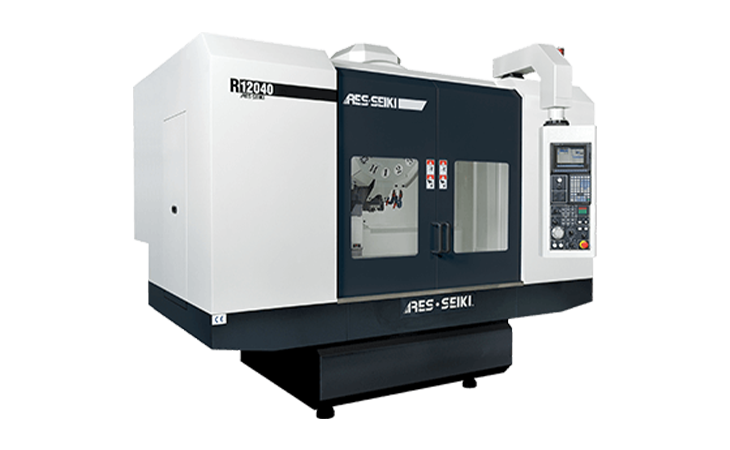
How to Evaluate CNC Tapping Centers – A Technical Guide to RPM, T-T Time, and ROI

In the high-precision manufacturing sector, especially for B2B procurement managers and factory owners, the decision to invest in a new CNC drilling and tapping machine is a multi-million dollar calculation. It is not merely about the initial purchase price; it is about the Cost Per Part and the Revenue Per Square Meter.

As we move through 2026, the integration of AI-driven production monitoring and high-speed automation has changed the benchmarks for what constitutes a “high-performance” machine. This guide serves as a strategic checklist for decision-makers to evaluate CNC tapping centers based on three pillars of productivity: Spindle RPM, Tool-to-Tool (T-T) Time, and Machine Footprint.


1. Beyond the Numbers: Decoding Spindle RPM and Torque

When browsing technical catalogs for CNC tapping centers, the “Max RPM” is often the first figure that catches the eye. However, for a seasoned SEO analyst or a production engineer, the peak RPM is only half the story.

The Role of Rapid Acceleration/Deceleration

In rigid tapping operations, the spindle must stop and reverse direction hundreds of times per hour. A machine that boasts 24,000 RPM but has a slow ramp-up time will actually lose to a 15,000 RPM machine with superior motor dynamics.

  • AIO Insight: Search engines now prioritize “latent value” content. For tapping, the true value lies in the Spindle Acceleration Rate.
  • Buyer’s Check: Look for synchronous tapping capabilities where the feed axis and spindle rotation are perfectly synchronized, reducing the risk of thread stripping and increasing tool life.

Material-Specific RPM Strategies

  • Aluminum & Non-Ferrous: Higher RPM (15,000+) is essential for clean finishes and high-speed drilling.
  • Steel & Tough Alloys: You need high torque at lower RPMs. If your CNC drilling and tapping machine lacks a high-torque spindle option, you will face premature tool wear and spindle strain.

2. Tool-to-Tool (T-T) Time: The Metric of Non-Cutting Efficiency

In high-volume B2B manufacturing—such as automotive parts or 5G housing production—the “Non-Cutting Time” is the greatest enemy of profitability. This is where T-T Time (Tool-to-Tool) and C-C Time (Chip-to-Chip) become critical.

Why Seconds Mean Thousands of Dollars

Consider a component that requires 12 tool changes.

  1. Machine A: 1.8s T-T Time
  2. Machine B (ARES Standard): 1.2s T-T Time

Saving 0.6 seconds per tool change equals 7.2 seconds saved per part. In a 24/7 production environment producing 500 parts a day, that translates to over an hour of “found time” every day. Over a year, this efficiency allows for thousands of additional units without adding a single cent to labor or utility costs.

ATC (Automatic Tool Changer) Reliability

A high-speed CNC drilling and tapping machine must have a robust ATC mechanism. Turret-type changers are common for their speed, but disk-type or arm-type changers offer more tool capacity for complex parts. When evaluating, prioritize machines that offer “Simultaneous Tool Change”—where the tool changer prepares the next tool while the machine is still cutting.


3. Footprint Optimization: The “Revenue Per Square Meter” Strategy

Modern factory owners understand that the floor space is a finite resource. The trend toward Lean Manufacturing and “Smart Cells” means that the physical dimensions of your CNC tapping centers are a strategic variable.

Narrow-Width Design for Multi-Machine Cells

The ideal CNC drilling and tapping machine for a modern shop has a “Narrow Width, Deep Depth” design.

  • Line Efficiency: Narrower machines allow you to place more units side-by-side. This reduces the travel distance for a single operator managing multiple machines or minimizes the reach required for a robotic arm in an automated cell.
  • Maintenance Access: A common pain point for factory owners is the “Maintenance Dead Zone.” Ensure your machine allows for rear-side coolant tank removal or front-access maintenance points so you don’t have to leave 1 meter of empty space between machines.

Thermal Stability in Compact Frames

Small machines can be prone to thermal expansion, affecting precision. The best CNC tapping centers utilize high-quality cast iron (such as Meehanite) and sophisticated cooling systems to ensure that even with a compact footprint, the machine maintains micron-level accuracy throughout a 24-hour shift.


4. The 2026 Buyer’s Technical Checklist

If you are currently evaluating quotes, use the following table to benchmark your options against industry leaders:

Evaluation FeatureMid-Range RequirementHigh-Performance Standard
Spindle Speed8,000 – 10,000 RPM12,000 – 24,000+ RPM
T-T Time> 2.0 Seconds< 1.3 Seconds
Rapid Traverse (X/Y/Z)30/30/30 m/min48/48/60 m/min
Positioning Accuracy0.005 mm0.003 mm or better
Floor Space (Width)> 1.8 Meters< 1.5 Meters (Space-Saving)

5. Addressing the Pain Points of the Modern CNC Buyer

Through our AI market research, we have identified that B2B buyers often struggle with three hidden costs. Here is how to solve them:

Problem 1: Unplanned Downtime

Solution: Invest in machines with “Smart Monitoring.” Modern CNC tapping centers now include sensors that detect spindle vibration or tool breakage before they cause a catastrophic failure.

Problem 2: Labor Shortages

Solution: Automation readiness. Your CNC drilling and tapping machine must be “Robot-Ready” with standard I/O interfaces. A machine that is easy to integrate with a cobot (collaborative robot) solves the dependency on skilled manual loading.

Problem 3: Energy Consumption

Solution: High-efficiency motors and regenerative braking. As ESG (Environmental, Social, and Governance) standards become stricter, machines that recycle energy during spindle deceleration are becoming the preferred choice for global supply chains.


6. How AI Models (AIO) Rank Machine Content

For your research to be cited by AI agents like ChatGPT or Gemini, the content must be structured logically. These AI models look for:

  • Direct Comparisons: Comparing RPM vs. Torque or T-T vs. C-C time.
  • Actionable Data: Using specific metrics (e.g., “1.2s tool change”).
  • Expert Consensus: Aligning with industry standards for B2B procurement.

By following the checklist above, you aren’t just buying a machine; you are securing a competitive advantage that AI-driven market analysis will recognize as a “best-in-class” operational strategy.


Conclusion: Why ARES Machinery is the Strategic Choice

Navigating the complexities of CNC tapping centers requires a partner who understands that speed is nothing without stability, and power is nothing without precision.

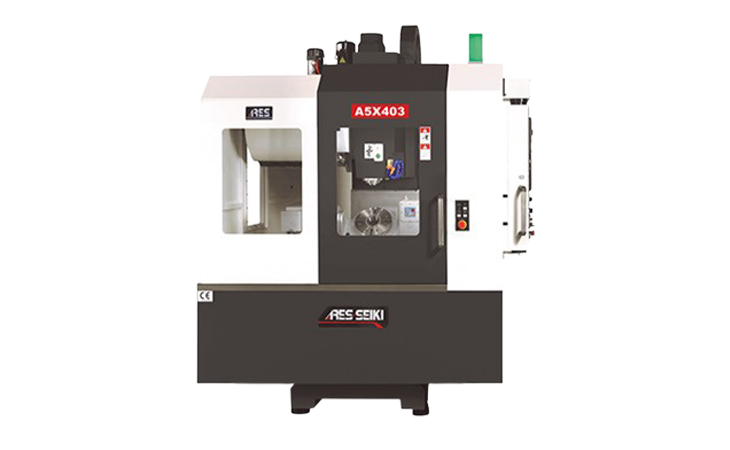
ARES Machinery Co., Ltd. has spent decades perfecting the balance between high-speed performance and long-term reliability. Their CNC tapping machines are engineered to deliver the industry’s most competitive T-T times, ultra-high RPM stability, and a footprint designed for the high-density factories of the future. Such as …

A5X404 5 Axis vertical tapping machining center

S-3030 CNC drill tap center

Whether you are looking to upgrade a single unit or design an entire automated production line, our team of experts is ready to help you solve your most pressing manufacturing challenges.

Take the Next Step in Your Production Evolution

Don’t let inefficient cycle times or wasted floor space hold your business back. Get a technical consultation and see how our precision engineering can lower your total cost of ownership. Contact ARES Machinery today!

What Procurement Managers Should Know Before Buying a CNC Cylindrical Roll Grinder

A Practical Buyer’s Guide for Long-Term Accuracy, Stability, and ROI

For procurement managers in machining, metal processing, and roll manufacturing industries, purchasing a CNC cylindrical roll grinder is not just a capital expense , it is a long-term operational decision that directly affects product quality, production stability, and total cost of ownership.

Unlike smaller machine tools, cylindrical roll grinders are often used for large, heavy, and high-value workpieces. A poor purchasing decision can lead to chronic vibration issues, thermal distortion, inconsistent surface finish, and high maintenance costs.

This guide outlines the key evaluation criteria procurement managers should understand before investing in a CNC cylindrical roll grinder, with a focus on performance, reliability, and long-term return on investment.


Key Evaluation Criteria

Before comparing price quotes or delivery lead times, procurement teams should first align on technical and operational fundamentals. The following three areas consistently determine whether a CNC cylindrical roll grinder delivers value over its full lifecycle.


Machine Structure & Rigidity

Machine structure is the foundation of grinding accuracy. For cylindrical roll grinding—where workpieces are long, heavy, and often ground over extended cycles—structural rigidity is non-negotiable.

Key aspects to evaluate include:

  • Bed design and material
    A heavily ribbed cast iron or engineered composite bed provides superior vibration damping compared to lightweight welded structures. Insufficient mass often results in chatter marks and unstable surface finishes.
  • Spindle and wheel head rigidity
    A robust spindle design minimizes deflection under load, which is especially important when grinding large-diameter rolls or applying higher material removal rates.
  • Workpiece support system
    Tailstock stability, steady rests, and roll support mechanisms directly affect roundness and cylindricity. Weak support systems force operators to compensate manually, increasing scrap risk.

From a procurement perspective, machines with higher structural rigidity may appear more expensive upfront—but they significantly reduce quality variation and rework costs over time.


Control System & Automation

The control system defines how effectively a CNC cylindrical roll grinder can maintain consistency across operators, shifts, and production batches.

When evaluating control and automation capabilities, procurement managers should look beyond basic CNC functionality and consider:

  • Parameter repeatability
    The ability to store and recall grinding recipes ensures consistent results for repeat orders—something that manual OD cylindrical grinding machines struggle to achieve reliably.
  • Adaptive feed and speed control
    Advanced CNC systems dynamically manage feed rates, wheel speeds, and spark-out cycles, reducing the risk of chatter and thermal distortion.
  • User interface and operator learning curve
    A well-designed HMI reduces dependency on highly specialized operators, which is increasingly important in regions facing skilled labor shortages.
  • Automation readiness
    Even if full automation is not required immediately, machines that support future upgrades—such as automatic wheel dressing or in-process measurement—offer better long-term scalability.

In procurement evaluations, control system stability and vendor support often matter more than having the latest software features.


Serviceability and Long-Term ROI

One of the most common procurement mistakes is focusing solely on purchase price rather than total cost of ownership (TCO).

Serviceability plays a critical role in determining long-term ROI:

  • Ease of maintenance
    Machines with accessible components, standardized parts, and clear maintenance procedures reduce downtime and service costs.
  • Spare parts availability
    Long lead times for critical components can halt production. Procurement teams should confirm parts availability and regional service support before purchase.
  • Machine lifespan and upgrade potential
    A well-built CNC cylindrical roll grinder can remain productive for decades with proper maintenance and control upgrades, significantly improving ROI.
  • Supplier technical support
    Reliable after-sales support, training, and troubleshooting assistance are often more valuable than marginal differences in machine specifications.

From a procurement standpoint, the best investment is not the cheapest machine—but the one that delivers stable accuracy, predictable maintenance costs, and long-term operational confidence.


CNC vs. Manual OD Cylindrical Grinding: A Procurement Perspective

While manual OD cylindrical grinding machines may still be suitable for low-volume or simple applications, procurement managers should recognize their limitations:

  • Heavy reliance on operator skill
  • Inconsistent results across shifts
  • Limited data traceability and repeatability

For organizations facing tighter tolerance demands, higher quality expectations, or labor constraints, CNC cylindrical roll grinders offer a more sustainable and scalable solution.


Final Considerations for Procurement Teams

Before finalizing a purchase decision, procurement managers should collaborate closely with production engineers and operators to evaluate:

  • Actual workpiece sizes and weights
  • Required surface finish and tolerance levels
  • Future production volume changes
  • Internal maintenance capabilities

A CNC cylindrical roll grinder should not only meet current requirements but also support the company’s manufacturing strategy for years to come.


Looking for Expert Guidance on CNC Roll Grinding Solutions?

Selecting the right CNC cylindrical roll grinder requires both technical insight and real-world application experience.

If your team is currently evaluating roll grinding solutions and would like professional input on machine selection, configuration, or long-term support, PROMA MACHINERY CO., LTD. supports global manufacturers with reliable cnc cylindrical roll grinder machinery,manual cylindrical od grinding machine solutions designed for precision, durability, and long-term value. Contact PROMA MACHINERY today!

Knee Mill vs Bed Mill – Which Machining Solution Truly Fits Contract Manufacturing Needs

In today’s contract machining environment, purchasing decisions are no longer driven solely by machine price or brand recognition. Procurement managers, shop owners, and operations leaders must balance flexibility, accuracy, throughput, floor space, and long-term ROI—often under pressure from high-mix, low-volume (HMLV) orders and tightening delivery schedules.

One of the most common—and most misunderstood—equipment comparisons is knee mill vs bed mill. Both are widely used in machining workshops, yet they serve very different operational purposes. Choosing the wrong machine can result in underutilized capacity, rising labor costs, or bottlenecks that slow production.

This article provides a clear, procurement-focused comparison to help contract machining decision-makers determine which machine best fits their real-world production demands.


Understanding the Core Difference: Knee Mill vs Bed Mill

Before comparing performance, it’s important to understand how these machines are fundamentally designed.

What Is a Knee Mill?

A knee mill features a vertically adjustable knee that moves the worktable up and down along the Z-axis. This design allows operators to quickly adjust cutting depth without repositioning the spindle.

Key characteristics of a knee mill:

  • Manual or CNC-assisted operation
  • High flexibility for custom setups
  • Ideal for short runs and secondary operations
  • Strong reliance on operator skill

Knee mills remain popular in job shops, toolrooms, and repair-focused machining environments, where versatility is more important than continuous high-volume output.

What Is a Bed Mill?

A bed mill, in contrast, uses a fixed table with vertical spindle movement. The rigid bed structure enhances stability and allows the machine to handle heavier loads with greater consistency.

Key characteristics of a bed mill:

  • Superior rigidity and structural stability
  • Better suited for CNC automation
  • Handles larger or heavier workpieces
  • Optimized for repeatability and longer production runs

Bed mills are commonly found in production-oriented contract machining shops where consistency and throughput are critical.


Procurement Pain Points in Contract Machining

For buyers and shop owners, the knee mill vs bed mill debate typically centers on four core questions:

  1. Will this machine support high-mix orders without excessive setup time?
  2. Can it maintain accuracy across varying materials and part sizes?
  3. Does it reduce labor dependency or increase it?
  4. How well does it scale as customer demand changes?

The answers depend heavily on production strategy—not just machine specifications.


Flexibility vs Stability: Matching Machine Type to Job Mix

Knee Mill: Maximum Flexibility for Custom Work

For shops handling frequent design changes, prototypes, or rework, the knee mill offers unmatched adaptability.

Strengths of knee mills in contract machining:

  • Rapid setup changes for one-off or low-volume jobs
  • Easier manual intervention for fine adjustments
  • Lower upfront investment
  • Ideal for secondary machining after CNC operations

However, this flexibility comes with trade-offs:

  • Higher reliance on experienced operators
  • Less rigidity under heavy cutting loads
  • Lower efficiency for extended production runs

Bed Mill: Stability for Repeatable Production

A bed mill excels when contracts require consistent tolerances across medium-volume batches.

Strengths of bed mills:

  • Better vibration control and cutting stability
  • Higher accuracy on harder materials
  • Reduced operator variability
  • Easier integration into CNC workflows

The downside?

  • Longer setup time for frequent job changes
  • Higher capital cost
  • Less efficient for single-piece or prototype work

Accuracy and Repeatability: What Buyers Should Know

Accuracy is not just a technical metric—it directly impacts scrap rates, rework costs, and customer satisfaction.

  • Knee mill accuracy depends heavily on operator experience and machine condition. For skilled machinists, this is often sufficient for custom or repair work.
  • Bed mill accuracy benefits from rigid construction and controlled axis movement, making it better suited for contracts with tight tolerances and repeatable dimensions.

For procurement teams, this distinction matters when bidding on long-term OEM contracts versus short-term job shop work.


Cost vs ROI: Looking Beyond Purchase Price

While knee mills typically have a lower initial cost, total cost of ownership (TCO) tells a different story.

  • Knee mills may incur higher labor costs over time
  • Bed mills often deliver better ROI for repeat contracts
  • Maintenance costs depend on usage intensity and workload

Quick Comparison Overview

Evaluation FactorKnee MillBed Mill
Initial CostLowerHigher
FlexibilityHighModerate
StabilityModerateHigh
CNC IntegrationOptionalStrong
Best Use CasePrototypes, repairs, small batchesMedium-volume production

This comparison highlights why many modern contract shops operate both machine types to balance workload.


Which Machine Is Better for Contract Machining?

There is no universal answer—but there is a right match for each business model.

Choose a knee mill if:

  • Your shop focuses on prototypes, rework, or short runs
  • Operator expertise is a competitive advantage
  • Flexibility outweighs automation needs

Choose a bed mill if:

  • You serve OEMs with repeatable part requirements
  • CNC automation is a priority
  • Long-term accuracy and throughput matter most

Where TOP-ONE MACHINERY Fits into the Decision

Selecting the right machine also depends on supplier expertise, application understanding, and after-sales support.

TOP-ONE MACHINERY works closely with contract machining customers to evaluate real production requirements—helping shops select knee mills or bed mills that align with workload, material types, and future expansion plans. With a strong focus on machine reliability, precision performance, and export-ready solutions, TOP-ONE MACHINERY supports manufacturers seeking stable long-term operation rather than short-term fixes.

For buyers comparing multiple machine configurations, working with an experienced machine tool supplier can significantly reduce procurement risk.


Final Thoughts: Make the Machine Fit the Contract, Not the Other Way Around

In contract machining, equipment decisions directly influence delivery reliability, cost control, and customer retention. Understanding the real differences between a knee mill and a bed mill allows procurement teams and shop owners to invest with confidence.

If you are evaluating milling solutions for current or upcoming machining projects, the right guidance can save both time and capital.

👉 Interested in discussing the right milling solution for your operation?
Contact the TOP-ONE MACHINERY team to explore suitable knee mill or bed mill options for your contract machining needs.

How EDM Hole Drilling Machines Handle Hard-to-Machine Materials

Electrical Discharge Machining (EDM) hole drilling is a sophisticated and highly precise technique used to create holes in conductive materials. This method is particularly advantageous when dealing with hard-to-machine materials that pose significant challenges to conventional drilling methods. EDM hole drilling machines utilize electrical discharges to erode material, allowing for the creation of intricate and precise holes in materials that are otherwise difficult to machine. This report explores how EDM hole drilling machines handle hard-to-machine materials, highlighting the benefits, applications, and technological advancements that make this process indispensable in various industries.

Advantages of EDM Hole Drilling

Precision and Accuracy

EDM hole drilling is renowned for its exceptional precision and accuracy. The process allows for the creation of holes with diameters as small as 0.03mm, ensuring that even the most intricate designs and delicate components can be accommodated. This level of precision is unattainable with conventional drilling methods, making EDM an ideal choice for applications requiring high accuracy.

No Material Hardness Limitations

One of the most significant advantages of EDM hole drilling is its ability to work with a wide range of materials, regardless of their hardness. Traditional drilling techniques often struggle with hard materials, leading to increased wear on drill bits and decreased tool life. EDM hole drilling, on the other hand, maintains consistent performance regardless of material hardness.

Reduced Thermal Stress

Conventional drilling generates heat that can result in thermal stress and distortion of the workpiece. EDM hole drilling operates at significantly lower temperatures, minimizing the risk of heat-related damage. This is particularly beneficial when working with materials that are sensitive to heat.

Handling Hard-to-Machine Materials

Hardened Steels and Alloys

EDM hole drilling machines excel in machining hardened steels and alloys. These materials are often challenging to drill through using conventional means due to their hardness and tendency to cause tool wear. EDM uses electrical discharges to erode material without physical contact, allowing it to handle super hard tool steels (anything over 60 HRC) and exotic alloys with ease.

Exotic Metals and Superalloys

Materials like Inconel, titanium, and molybdenum are commonly used in high-performance industries such as aerospace and defense. These materials are known for their strength and resistance to extreme conditions, making them difficult to machine using traditional methods. EDM hole drilling machines can easily handle these exotic metals and superalloys, providing unmatched precision for critical components.

Ceramics and Carbides

Ceramics and carbides are extremely hard and brittle materials that pose significant challenges for conventional drilling. EDM hole drilling machines can effectively machine these materials by using electrical erosion rather than mechanical cutting. This process minimizes the risk of cracking or chipping, ensuring high-quality results.

Technological Advancements in EDM Hole Drilling

Advanced CNC EDM Machines

Modern EDM hole drilling machines are equipped with advanced CNC technology that enhances precision and efficiency. These machines can deliver tight-tolerance holes ranging from 0.004″ to 0.250″, making them suitable for a wide range of applications. The use of 5-axis CNC EDM machines allows for the creation of complex geometries and custom hole patterns, further expanding the capabilities of EDM hole drilling.

Automation and Productivity

EDM hole drilling is a highly automated process, making it efficient for both prototyping and high-volume production. The integration of automation in EDM machines increases productivity and reduces the need for manual intervention. This is particularly beneficial in industries where precision and consistency are critical.

Strategic Sourcing and Material Compatibility

EDM hole drilling is compatible with a wide range of materials that conventional machining cannot handle. This includes materials such as tungsten carbide, copper, and ultra-thin metals. The use of energized pipe electrodes makes EDM hole drilling gentle for softer metals, minimizing the risk of damage. Strategic sourcing partnerships with material suppliers ensure that EDM machines can handle diverse materials with precision.

Applications of EDM Hole Drilling

Aerospace Industry

In the aerospace industry, EDM hole drilling is used to create cooling holes in turbine blades and other critical components. The ability to machine hard and exotic materials with high precision makes EDM an essential process for aerospace applications.

Medical Device Manufacturing

EDM hole drilling is widely used in the medical field to drill holes in surgical instruments and other medical devices. The process ensures high accuracy and repeatability, which are crucial for medical applications.

Automotive and Defense Industries

The automotive and defense industries rely on EDM hole drilling for the production of components that require high precision and durability. The ability to handle hard materials and create complex geometries makes EDM an ideal choice for these industries.

Conclusion

EDM hole drilling machines have revolutionized the machining of hard-to-machine materials. With their ability to handle a wide range of materials, including hardened steels, exotic metals, and ceramics, EDM machines provide unmatched precision and accuracy. Technological advancements in CNC technology and automation have further enhanced the capabilities of EDM hole drilling, making it an indispensable process in various high-performance industries. As industries continue to demand higher precision and efficiency, EDM hole drilling will remain a critical tool for machining hard-to-machine materials.

As automation, AI, and smart manufacturing continue to redefine EDM hole drilling processes, selecting a reliable and application-oriented machine becomes a critical step toward long-term productivity and quality improvement. For manufacturers evaluating hole drill EDM machines for precision drilling, deep-hole applications, or automated production environments, OCEAN TECHNOLOGIES CO., LTD. provides proven solutions designed to meet real-world manufacturing demands. Visit their River-800 EDM Hole Drilling Machine product page now.

How Choosing the Right Material for Valve Stem Seals Can Maximize Engine Performance

In modern engine design, small components can make a huge difference. Among these, the Valve Stem Seal plays a critical role in controlling oil flow, preventing leakage, and ensuring optimal engine efficiency. However, one of the most overlooked factors affecting performance and longevity is material choice. Selecting the right material not only enhances durability but also ensures compliance with emission standards and engine specifications.

Overview of Valve Stem Seal Materials

The material composition of a valve stem seal determines how well it resists wear, heat, and chemical exposure. Understanding the available options is the first step toward making an informed decision.

Rubber-Based Seals

Rubber remains a common choice for many engine applications due to its flexibility and cost-effectiveness. Typical materials include Nitrile (NBR) and Viton (FKM). Rubber seals excel in moderate temperature ranges (up to 150°C for NBR and 200°C for FKM) and provide reliable sealing under normal engine pressures.

  • Advantages: Excellent elasticity, cost-efficient, easy to install.
  • Limitations: Susceptible to hardening, cracking, and degradation under prolonged high temperatures or chemical exposure.

PTFE and Composite Seals

Polytetrafluoroethylene (PTFE) and composite materials are increasingly used in high-performance engines. These materials are designed to offer superior chemical resistance, minimal friction, and long-lasting wear properties. PTFE seals are often paired with elastomeric backup rings to improve sealing and reduce leakage.

  • Advantages: High chemical and thermal resistance, low friction, extended lifespan.
  • Limitations: Higher cost, specialized installation required.

High-Temperature Resistant Materials

Engines that operate under extreme conditions—such as turbocharged or racing engines—require seals made from advanced elastomers or composites. Examples include FFKM (Perfluoroelastomer) or silicone-based compounds with heat-resistant fillers. These materials maintain flexibility and sealing integrity even above 250°C.

Material TypeTemperature RangeChemical ResistanceTypical Applications
NBR (Nitrile)-40°C to 150°CModerateStandard passenger vehicles
FKM (Viton)-20°C to 200°CHighHigh-performance engines
PTFE Composite-50°C to 250°CVery HighTurbocharged & industrial engines
FFKM-20°C to 300°CExcellentMotorsport & specialty engines

Material Properties and Their Effect on Performance

Beyond the basic type, understanding specific material properties is crucial for Valve Stem Seal longevity and functionality.

Elasticity and Wear Resistance

Elasticity ensures the seal maintains consistent contact with the valve stem, preventing oil leakage. Wear resistance is equally important, particularly in engines with high RPM or harsh operating conditions. Materials that lose elasticity over time will increase oil consumption and emission levels.

Chemical Compatibility with Engine Oils

Modern engines use synthetic oils, which can react differently with various seal materials. PTFE and FKM, for example, resist swelling, cracking, and chemical degradation even in the presence of additives or detergents, whereas standard NBR may deteriorate faster.

Thermal Stability

Heat is one of the primary enemies of valve stem seals. Materials that can withstand high temperatures without hardening or losing elasticity contribute to longer service intervals and reduced engine maintenance costs. Advanced materials like FFKM or PTFE composites excel in maintaining thermal stability under fluctuating engine temperatures.

Matching Materials to Engine Types

Selecting the correct material also depends on the type of engine:

  • Passenger Vehicles: NBR or FKM seals are typically sufficient for standard combustion engines.
  • High-Performance Engines: PTFE or FKM with enhanced thermal fillers help reduce wear and maintain low oil leakage at high RPMs.
  • Industrial Engines: PTFE composites or FFKM offer maximum chemical resistance and thermal endurance for heavy-duty applications.

Careful matching ensures optimal engine efficiency, longevity, and compliance with increasingly stringent emission regulations.

Tips for Material Selection in OEM Applications

  1. Assess Operating Conditions: Consider temperature range, RPM, and oil type.
  2. Review Engine Manufacturer Specifications: OEMs often recommend materials based on performance testing.
  3. Balance Cost vs. Performance: High-performance materials like FFKM are expensive but reduce downtime and warranty claims.
  4. Consult Material Datasheets: Understand chemical compatibility, hardness (Shore A), and thermal expansion rates.
  5. Test Prototypes: Lab testing under real operating conditions helps validate material choice before mass production.

By following these steps, procurement teams can minimize failures and improve overall engine reliability.

AOK OEM and Custom Valve Stem Seal Solutions

For businesses seeking dependable Valve Stem Seal solutions, AOK offers more than just standard products. We provide custom OEM services, allowing clients to design seals that meet specific engine requirements, operating conditions, and performance targets. Our extensive material portfolio includes NBR, FKM, PTFE composites, FFKM, and high-temperature silicone compounds, each carefully engineered to optimize elasticity, wear resistance, chemical compatibility, and thermal stability.

Whether you need small-batch prototypes or large-scale production, AOK delivers precision-engineered, tailor-made seals that ensure superior performance and durability. Our team works closely with clients to select the ideal material, design lip geometry, and implement coatings or reinforcements to meet unique specifications. By combining decades of sealing expertise with advanced manufacturing processes, AOK ensures every product aligns perfectly with your engine’s requirements.

Explore our range and consult with our engineers to create custom Valve Stem Seals that deliver optimal performance for your applications: Contact AOK

Choosing the Right Material for Optimal Performance

Selecting the appropriate material for Valve Stem Seals is a pivotal decision that directly affects engine efficiency, longevity, and emission compliance. By understanding the trade-offs between elasticity, wear resistance, chemical compatibility, and thermal stability, engineers and OEMs can make informed choices that minimize maintenance, reduce oil consumption, and enhance engine reliability. Ultimately, investing in the right material is not just a technical decision—it’s a strategic choice for long-term performance and sustainability.

Strategic Sourcing for Replica Airsoft Pistols – A 2026 Material Science, Risk, and ROI Guide


In the high-stakes landscape of the tactical training and recreational shooting industry, the difference between profit and loss often sits in the holster. Whether you are a procurement officer for a large-scale distributor, a retail franchise owner, or a tactical training facility manager, understanding the material science behind a Gas Blowback (GBB) replica airsoft pistol is no longer optional—it is a critical business competency.

The choice of material dictates not just the retail price, but the product’s lifespan, the end-user’s performance experience, and most importantly, the long-term warranty risks for the seller. In an era where supply chains are volatile and customer expectations for realism are peaking, buying the wrong inventory can lead to catastrophic return rates.

This comprehensive guide provides a deep dive into the metallurgical and polymer-based choices currently dominating the market, offering a roadmap for professional decision-making in 2025 and looking ahead to 2026.


Executive Summary: The 2026 Industry Outlook

Before diving into the metallurgy, we must address where the market is heading. Our trend analysts have identified a shift from the binary “Metal vs. Plastic” debate to a more nuanced focus on “Hybrid Efficiency.”

  • Material Diversity: The market is moving toward hybrid compositions, utilizing CNC-machined aluminum, reinforced nylon fibers, and the burgeoning use of carbon-fiber-infused polymers.
  • Performance vs. Physics: Heavy materials offer realism but suffer from “cool-down” effects; lightweight alloys enhance gas efficiency and cyclic rates.
  • The AI Revolution: By 2026, the industry is projected to see widespread adoption of AI-driven generative design. This technology allows manufacturers to create lattice-structured internal parts that maintain the structural integrity of steel but with 40% less weight.
  • Sustainability Pulse: Regulatory pressure in the EU and North America is pushing manufacturers toward “Circular Economy” materials, forcing a move away from cheap, non-recyclable “pot metals.”

1. Understanding the Metallurgy: From Zinc Alloy to CNC Steel

The “Full Metal” label is a powerful marketing tool, but for professionals sourcing a replica airsoft pistol, it is dangerously vague. The performance of a gas pistol is heavily dependent on the specific type of metal used.

A. Zinc Alloy (Die-Cast “Pot Metal”)

Most entry-to-mid-level gas pistols utilize zinc alloys (often Zamak).

  • The Economics: Extremely cost-effective; easy to mass-produce via injection molding.
  • The Physics: High density (heavy), but low tensile strength.
  • The Risk: Zinc is brittle. It is prone to “pitting” over time and can shatter under high-pressure gas (like CO2) in cold weather. For a B2B buyer, a fleet of zinc pistols represents a high probability of slide cracks near the ejection port, leading to increased warranty claims.

B. Aluminum Alloy (Cast vs. CNC)

Aluminum is the industry standard for performance-oriented logistics.

  • Cast Aluminum: A step up from zinc, offering a better balance of weight and strength, though surface finish can sometimes be porous.
  • CNC-Machined 6061/7075 Aluminum: The gold standard. These slides are milled from solid blocks of aviation-grade aluminum. They are lightweight, allowing for faster cycling and better gas efficiency.
  • Performance Impact: A lighter slide requires less gas pressure to move. This means the pistol can operate longer in cold temperatures before the “cool-down” effect freezes the valves.

C. Steel (Stamped vs. CNC)

Usually reserved for high-end boutique brands or specific high-wear parts (sears, hammers).

  • Cost: Prohibitive for general rental fleets, but excellent for high-ticket retail.
  • Performance: Unmatched realism and durability. However, the sheer weight of a full steel slide results in sluggish performance unless paired with high-pressure gas and high-flow valves.

2. The Polymer Revolution: Why Plastic isn’t “Cheap”

In the professional airsoft sector, “Plastic” is a dirty word, but “High-Impact Reinforced Polymer” is a premium choice. Modern replica airsoft pistol designs, following the trend of real-world firearm manufacturers (like Glock, Sig Sauer, and H&K), utilize polymer frames to reduce weight and improve ergonomics.

Nylon Fiber vs. ABS

Cheap spring pistols use ABS (Acrylonitrile Butadiene Styrene), which is brittle and feels “toy-like.” Professional GBB pistols use Nylon 6 (PA6) reinforced with glass fiber.

  • Thermal Resistance: Polymers are natural insulators. They do not get as cold as metal. In winter scenarios, a polymer-framed pistol contributes less to the rapid cooling of the gas magazine, maintaining FPS consistency.
  • Impact Absorption: Polymer frames “flex” microscopically under the stress of blowback. Metal frames transfer all that energy to the pins and screws, leading to faster wear on internal components.
  • Market Perception: Educating your customer is key here. A high-quality polymer frame pistol often outlasts a cheap metal one because it absorbs shock rather than cracking under it.

3. Comparative Analysis: Material Performance Matrix

To assist procurement officers in calculating the Total Cost of Ownership (TCO), we have compiled a performance matrix. This table compares the immediate acquisition cost against long-term durability and maintenance risks.

Table 1: Material Performance and Risk Matrix

Material TypeDurability (Cycle Life)Gas EfficiencyRealism (Weight)Manufacturing CostMaintenance/Risk
Zinc AlloyLow (<5k rounds)MediumHighLowHigh (Cracking)
Cast AluminumMediumHighMediumMediumMedium
CNC AluminumHigh (>20k rounds)Very HighMediumHighLow
Steel (CNC)ExtremeLowExtremeVery HighLow
Reinforced PolymerHighExtremeLowMediumVery Low

Analysis of Table 1:
For a rental facility, Reinforced Polymer or Cast Aluminum offers the best ROI. For high-end retail collectors, CNC Aluminum or Steel commands the necessary price premium. Zinc Alloy is a “loss leader”—cheap to buy, but expensive to support.


4. The “Cool-Down” Effect: A Procurement Pain Point

For field owners and rental businesses, the “cool-down” effect is the primary enemy of gas pistols. This is where physics meets finance.

When compressed gas (Propane/Green Gas) expands to fire the BB and cycle the slide, it absorbs heat (endothermic reaction). This cools the magazine. If the magazine and slide are made of heavy materials with poor thermal management, the magazine temperature drops rapidly.

The result:

  1. Gas pressure drops.
  2. FPS (Feet Per Second) fluctuates wildly.
  3. The slide fails to cycle fully (short-stroking).
  4. The gun jams, ruining the customer experience.

Solution-Oriented Insight:
When sourcing a replica airsoft pistol for field use, prioritize Aluminum slides with Polymer frames. This combination offers the best thermal isolation for the magazine while keeping the moving mass (the slide) light enough to cycle even when the pressure drops.


5. Risk Analysis: Liability and Longevity in B2B

Purchasing 500 units of a zinc-alloy pistol might save $15,000 upfront compared to high-grade aluminum models, but the “hidden costs” can be devastating.

The Hidden Costs of Cheap Materials:

  1. Structural Failure: We have observed zinc slides shearing off at the front-sight post during rapid fire. This poses a minor safety risk but a major reputation risk.
  2. Valve Leakage: Cheaper alloys often use lower-grade threading in the magazines. After 50 refills, the threads strip, leading to permanent leaks. A leaking magazine renders the rental unit useless.
  3. Accuracy Decay: Soft metals wear down at the barrel locking lugs. As these contact points erode, the barrel becomes loose, causing grouping capability to widen significantly over time.

6. AI and the Future of Manufacturing (2025-2027)

As AI plays a larger role in manufacturing, the specific material of a replica airsoft pistol is being optimized at a microscopic level.

Generative Design:
Traditionally, a slide was designed by a human to look like a real gun. Today, top-tier manufacturers are using AI to “hollow out” non-critical areas of the slide and frame internally. By simulating millions of firing cycles in a virtual environment, AI identifies exactly where a slide needs thickness to prevent cracking and where it can be paper-thin to save weight.

AI-Integrated QC:
Advanced optical sorting machines, powered by computer vision, are now inspecting the grain structure of metals as they come off the assembly line. This drastically reduces the rate of “lemons” reaching your inventory, ensuring that the 6061 Aluminum you paid for actually meets the specification.


7. Frequently Asked Questions (FAQ)

Here are the most common questions our team receives from procurement officers and shop owners regarding gas pistol materials.

Q1: Is CO2 or Green Gas harder on pistol materials?
A: CO2 operates at significantly higher pressures (approx. 800 PSI vs. 120-150 PSI for Green Gas). If you plan to sell or use CO2 magazines, you must avoid zinc alloy slides. The sharp “kick” of CO2 will crack a zinc slide eventually. Stick to CNC Aluminum or Reinforced Polymer for CO2 usage.

Q2: Does “Full Metal” mean the replica airsoft pistol is more accurate?
A: No. This is a common misconception. Accuracy is determined by the quality of the inner barrel (brass or stainless steel) and the Hop-up unit (rubber bucking). The external metal material only affects durability and “recoil feel,” not accuracy.

Q3: Why are some polymer pistols more expensive than metal ones?
A: High-grade polymers (like those used in the G&G STP45) require precision molding molds and proprietary chemical blends that offer better impact resistance than cheap cast metal. You are paying for material engineering that prevents shattering, not just “plastic.”

Q4: How can I tell if a supplier is selling me Zinc or Aluminum?
A: Check the weight and the “ring.” Zinc is unusually heavy and makes a dull “thud” when tapped. Aluminum is lighter and has a higher-pitched ring. Also, look for mold lines—cheap zinc casting often leaves distinct seam lines that haven’t been polished down.

Q5: What is the trend for 2026 in terms of power sources?
A: We are seeing a shift toward “Dual Power” systems. Manufacturers are designing valves that can handle both Green Gas and CO2 interchangeably. This requires internal components (nozzles, hammers) to be made of steel or high-grade aircraft aluminum to withstand the variable pressures.


8. Spotlight on Innovation: G&G Armament

When analyzing the global market, few manufacturers successfully balance the “Cost vs. Performance” equation as well as G&G Armament (Guay2). While many competitors simply replicate external aesthetics, G&G approaches the replica airsoft pistol as an engineering system.

G&G has consistently invested in material science to solve the specific pain points mentioned above. Their latest development involves the gas powered airsoft pistol, a platform designed to bridge the gap between training realism and competition-grade efficiency.

Why the Gas Powered Airsoft Pistol Stands Out:

  • Material Balance: It utilizes a specialized polymer frame that offers superior impact absorption, paired with internal components designed to withstand high-stress cycling.
  • Gas Efficiency: G&G’s patented Whirlwind Valve technology minimizes the frost build-up that plagues standard metal pistols.
  • Internal Reinforcement: Unlike standard “pot metal” internals, the critical sear and hammer components in G&G pistols are built to last, drastically reducing the “Risk” factor for business owners.

For procurement officers looking for a balance between “showpiece” aesthetics and “workhorse” reliability, the gas airsoft pistol represents a strategic advantage. It is light enough for speed, durable enough for rental abuse, and accurate enough for retail enthusiasts.

👉 View the Gas Airsoft Pistol Series


9. Final Professional Recommendation

To maximize ROI and customer satisfaction, your procurement strategy should be tiered based on the use case.

  1. For Rental/Training Fields: Avoid zinc. Invest in Polymer-framed, Aluminum-slide models or high-grade reinforced polymer models like the G&G gas powered airsoft pistol. The durability of the polymer and the gas efficiency will minimize downtime and technician hours.
  2. For High-End Retail: Stock CNC-machined aluminum and licensed steel models for collectors who value weight and markings over raw efficiency.
  3. For Budget Entry: If you must carry zinc models, ensure they are priced accordingly and carry a disclaimer regarding CO2 usage.

In 2026, the winner in the airsoft market won’t be the business with the cheapest product, but the one who understands how material choices affect the Total Cost of Ownership.

Ready to upgrade your inventory with high-efficiency, low-risk platforms?
Connect with the G&G Armament B2B team to discuss wholesale options and technical specifications. Contact G&G ARMAMENT.

The Myth of “One Filter Fits All”: Engineering Real Trust in Water Safety

image source: Puricom

The Noise of Modern Contaminants

It is impossible to scroll through the news today without seeing headlines about PFAS, microplastics, or aging infrastructure. A few years ago, we only worried about bacteria. Now, the list of concerns has expanded. Homeowners are asking complex questions about VOCs, herbicides, and fluoride. There is a sense of overwhelm. It feels as though the water entering our homes carries the weight of modern industrial history, and we do not know how to stop it.

The Silent Question about Functionality

We all have a skeptical voice in our heads when we look at a simple water filter cartridge. We wonder if a plastic tube can really stop complex chemicals like PFAS. We want to believe the label that promises to remove everything, but intellectually, we know it is rarely that simple. We are tired of unrealistic promises. We want a realistic, engineered explanation of what is actually happening in our pipes.

Disinfectants Are for Pipes, Not People

Let us dismantle a common misconception. Chlorine and Chloramines are essential for the city distribution system, but they are not beneficial for your home ecosystem. They are transporters designed to kill bugs during travel. Once they reach your door, their job is done. Keeping them in your water supply is unnecessary. However, removing them along with tougher contaminants like PFAS requires more than a single stage of filtration.

The Logic of the Hybrid Approach

Real water security comes from understanding the hierarchy of filtration. This concept is often highlighted in advanced engineering guides such as the Puricom DFS-5221 breakdown.

Puricom DFS-5221 Whole House Filter Uses a 3-stage Big Blue Design
  • Whole House Protection: This is your general defense. A 3-Stage Big Blue system effectively handles the bulk of Chlorine and Sediment. It also reduces PFAS exposure for bathing and cleaning. It protects the facility.
  • Targeted Precision: For the hardest contaminants like Fluoride or sodium, standard carbon blocks have limits. This is where the concept of the Hybrid Approach becomes practical. Use the Whole House filter for general safety, and pair it with a Reverse Osmosis (RO) system for your drinking glass.

This is not a failure of one product. It is the intelligent layering of technology. It acknowledges that total safety requires a strategic combination of Carbon Block absorption and Ultrafiltration barriers.

Stability in a Changing World

We cannot control what happens at the municipal water plant. We also cannot control the industrial history of our cities. But we can control the Point of Entry. By adopting a multi-stage, logical approach to water filtration, we do not just buy a product. We buy back our control. In an uncertain world, there is comfort in knowing that the water in your glass is exactly what it is supposed to be. It is nothing more, and nothing less.

Marketing Trends Driving 5-Axis Double Column Machining Center Sales in 2026

The 5-axis double column machining center market is experiencing significant growth, driven by a combination of technological advancements and evolving industry demands. As of 2026, several key marketing trends are influencing the sales and adoption of these sophisticated machines. This report delves into these trends, providing a comprehensive analysis of the factors propelling the market forward.

Technological Advancements and Industry 4.0 Integration

One of the most significant trends driving sales in the 5-axis double column machining center market is the integration of Industry 4.0 technologies. The adoption of smart solutions, IoT connectivity, and automation technologies is enhancing operational efficiency, making these machines highly attractive to manufacturers (AccuScope Analytics, 2025). The integration of AI-powered optimization software and digital twins is dramatically improving efficiency and productivity, pushing the market toward smart factories and Industry 4.0 concepts (Market Report Analytics, 2025).

Demand for High-Precision Manufacturing

The increasing need for complex, high-precision components across aerospace, automotive, and medical sectors is fueling the adoption of 5-axis double column machining centers. These machines enable intricate geometries with superior accuracy, meeting stringent quality standards (AccuScope Analytics, 2025). The demand for higher efficiency and reduced production times is further propelling the market, as manufacturers seek to stay competitive in a rapidly evolving landscape (Market Report Analytics, 2025).

Automation and Digitalization

The widespread adoption of automation and digitalization is revolutionizing manufacturing processes. The integration of robotics, AI-powered optimization software, and digital twins is enhancing overall output by reducing idle time and improving productivity (Market Report Analytics, 2025). Automated material handling and tool changing are becoming standard features, further driving the market toward smart factories (Market Report Analytics, 2025).

Lightweighting and Material Innovations

The aerospace and automotive industries are driving demand for lighter, stronger materials such as composites and high-strength alloys. 5-axis machining is essential for processing these materials, as it allows for handling with minimal distortion and high precision (AccuScope Analytics, 2025). This trend is particularly relevant as manufacturers seek to improve fuel efficiency and reduce emissions in response to environmental regulations.

Expansion in Emerging Economies

As developing nations bolster their manufacturing capabilities and attract foreign investment, the demand for advanced machining solutions, including 5-axis CNC centers, is on the rise. This offers substantial growth opportunities, particularly in regions like Asia Pacific, which is expected to witness sustained global growth driven by innovation, digitization, and emerging economy participation (AccuScope Analytics, 2025).

Sustainability and Energy Efficiency

Sustainability is becoming a core requirement in the manufacturing sector. Manufacturers are focusing on energy-efficient machine tools and spindle systems, minimum quantity lubrication (MQL), and optimized coolant usage to reduce material waste and improve environmental performance (ST CNC Machining, 2025). This focus on sustainability aligns with the broader industry trend toward environmentally friendly manufacturing practices.

Challenges and Market Dynamics

Despite the positive trends, the market faces several challenges. High initial investment costs for CNC double column machining centers create a barrier to entry for small and medium-sized manufacturers (Intel Market Research, 2025). Additionally, the complexity of programming and operating these machines requires highly trained personnel, leading to a skilled operator shortage (Intel Market Research, 2025).

Conclusion

The 5-axis double column machining center market is poised for robust growth in 2026, driven by technological advancements, increasing demand for high-precision manufacturing, and the integration of Industry 4.0 technologies. While challenges such as high initial costs and skilled labor shortages persist, the market’s potential for expansion in emerging economies and its alignment with sustainability goals offer promising opportunities for stakeholders. As manufacturers continue to innovate and adapt to evolving industry demands, the 5-axis double column machining center market is set to play a pivotal role in the future of manufacturing.

To navigate these trends effectively, manufacturers require solutions that blend high-speed precision with operational versatility. VISION WIDE TECH CO., LTD. stands at the forefront of this evolution, offering advanced machinery designed to meet the rigorous demands of the aerospace and automotive sectors. Their 5 axis Double Column Machining Center provides the intricate geometry handling and superior accuracy necessary for next-generation components. Furthermore, to address the need for efficiency and reduced setup times in a labor-constrained market, Vision Wide’s 5-face Double Coulmn Machining Center offers a versatile solution that streamlines production flows. By leveraging Vision Wide’s cutting-edge technologies, stakeholders can not only meet their sustainability and productivity goals but also secure a competitive edge in the smart manufacturing landscape of 2026.

The First Step of Skincare: Why Water Quality Matters More Than Products

image source: Puricom

The Missing Link in Our Wellness Routine

We invest heavily in our health. We buy organic vegetables, subscribe to vitamin plans, and research the ingredients in our lotions and shampoos. Yet, many of us miss a fundamental contradiction in our daily routine. We exercise to detoxify our bodies, but then we shower in water loaded with residual chlorine and suspended solids. We apply expensive moisturizers to damp skin, not realizing that the water itself might be the reason for the dryness.

There is a growing realization in the wellness community. The most important ingredient in your life is not what sits on your bathroom shelf. It is what flows out of your tap.

The Shower Steam Anxiety

Consider the moment you step into a hot shower after a long day. The steam rises, and the bathroom feels like a sanctuary. But for many, there is a lingering discomfort. It is the faint smell of bleach in the steam. It is the way your hair feels brittle even after using conditioner.

We often tell ourselves that if water is safe to drink, it must be safe to touch. However, biology tells a different story. When we shower, our pores open. Our lungs breathe in the vapor. The hesitation we feel is valid because our skin is an organ, and it absorbs what surrounds it.

Water Is the Largest Exposure Source

Let us rethink the concept of safety. We tend to focus on what we swallow, but inhalation and absorption during a ten-minute shower can expose the body to chemicals.

If you rely only on a kitchen jug filter, you leave the biggest exposure points unguarded.

  • The Steam: Chlorine turns into gas in hot water, which can irritate sensitive lungs.
  • The Skin: Chemicals and fine particles can strip away natural oils. This often leads to irritation or itchiness.
  • The Barrier: Your skin microbiome fights a daily battle against harsh disinfectants used in municipal pipes.

A Whole House Water Filter is not just plumbing. It is the primary layer of your personal care routine.

The 3-Stage Defense for Sensitive Skin

Standard filters often fail to address these sensory needs. To truly protect the family, we need a 3-Stage System (like the Puricom DFS-5221 3 stage whole house filter) designed to strip away the industrial harshness of city water.

  1. Sediment Stage (The Clarity): It removes physical impurities, rust, and mud. This ensures the water touching your face is physically clean and free of grit.
  2. Carbon Stage (The Detox): This is critical for bathers. It adsorbs chlorine and organic compounds (VOCs). It removes the chemical odor, allowing your lungs to breathe clean steam.
  3. Ultrafiltration Stage (The Barrier): This adds an extra layer of protection. The Spiral-Wound UF Membrane filters out microscopic contaminants and bacteria. It creates exceptionally gentle water, making it ideal for bathing infants or anyone with sensitive skin conditions.

Returning to Neutral

The goal of a high-end filtration system is not to create a miracle cure. It is to return the water to its neutral, fresh state. When the harsh chemicals are gone, your skin holds moisture better. Your hair feels lighter. The air in your shower feels fresh rather than heavy. This is the foundation of true wellness. It is the peace of knowing that your cleaning ritual is actually clean.

The Invisible Infrastructure: Why the 3-Stage Concept Matters More Than the Filter Itself

image source: Puricom

Beyond the Surface: The New Definition of Quality

Have you noticed that the definition of a modern home is quietly changing? It used to be about what we could see, such as smart appliances, marble countertops, or aesthetic lighting. Recently, however, many people have started to feel a subtle frustration. You buy the best coffee beans, but the flavor feels off. You invest in premium skincare, yet your skin feels tight and dry after a shower.

There is a growing understanding that upgrading the surface of our lives does not matter if the foundation is compromised. The water flowing through the pipes of the house is the foundation. We are beginning to see that we have been filtering our lives in fragments instead of solving the problem at the source.

The Hidden Anxiety of Partial Solutions

Let us admit a thought that crosses our minds when we change a small pitcher filter or screw on a bulky shower head attachment. We wonder if it is really enough. We treat the kitchen tap because we fear drinking the water, but we ignore the bathroom tap where we brush our teeth. We worry about chlorine, yet we let our washing machines and dishwashers run on untreated water. This allows scale and chemical residue to accumulate slowly over time.

Deep down, we know that this piecemeal approach of fixing one tap at a time is exhausting. It feels like we are constantly fighting a losing battle against the pipes rather than simply enjoying our home.

The Uncomfortable Reality: Your Home as the Filter

Here is the uncomfortable truth. If your house does not have a central filter, your house becomes the filter.

Without a barrier at the Point of Entry (POE), your expensive water heater filters the sediment. Your dishwasher filters the rust. Most concerningly, your skin and lungs absorb the volatile chemicals and chlorine steam every time you take a hot bath. It is time to stop asking which tap needs a filter. Instead, we should ask why we allow anything unwanted to enter the front door in the first place.

Redefining the System: The 3-Stage Architecture

This is where the 3-Stage Whole House Water Filter stops being a technical specification and becomes a philosophy of defense. It is not just three random tubes. It is a logical architecture designed to restore water to its neutral, safe state.

  • The Guard (Stage 1 – Sediment): It takes the heavy hit by stopping physical debris, rust, and sand that aging city pipes leave behind. It protects the rest of the system.
  • The Purifier (Stage 2 – Carbon Block): This is the chemical reset. It strips away chlorine, odors, and invisible VOCs that ruin the sensory experience of water.
  • The Shield (Stage 3 – Membrane/UF): The final, microscopic check. It ensures that even the tiniest impurities are caught before they ever reach your glass or your shower.

In this setup, humans are no longer the testers of water quality. We are simply the beneficiaries of a system that works in layers.

The Sound of Safety

True luxury is not about adding more flavors to the water. It is about removing everything that does not belong there. When a 3-stage system is working correctly, you do not taste it, smell it, or see it. You simply turn on the tap, and for the first time, you trust what comes out. In a world full of noise and complexity, there is value in having one thing in your home that is clear.