Key Differences Between CNC Cylindrical Grinders and Manual Cylindrical Grinders

Introduction

In the realm of precision machining, cylindrical grinders play a crucial role in shaping and finishing components with high accuracy. The advent of Computer Numerical Control (CNC) technology has revolutionized the machining industry, offering significant advancements over traditional manual methods. This report delves into the key differences between CNC cylindrical grinders and manual cylindrical grinders, focusing on aspects such as precision, efficiency, automation, and application suitability.

Precision and Accuracy

One of the most significant differences between CNC and manual cylindrical grinders lies in their precision and accuracy. CNC cylindrical grinders are renowned for their ability to produce highly precise and consistent results. This is attributed to the computer-controlled movements that eliminate human error, ensuring that each component is machined to exact specifications. CNC machines can achieve micron-level grinding accuracy, which is essential for industries requiring high precision, such as aerospace and automotive (Future Market Insights).

In contrast, manual cylindrical grinders rely heavily on the skill and experience of the operator. While skilled machinists can achieve high levels of precision, the process is more prone to human error and variations due to factors such as fatigue and inconsistency in manual adjustments. Consequently, manual grinders may not consistently meet the stringent precision requirements of certain industries (Zintilon).

Efficiency and Productivity

CNC cylindrical grinders offer superior efficiency and productivity compared to their manual counterparts. The automation capabilities of CNC machines allow for continuous operation with minimal human intervention. This results in higher throughput and reduced cycle times, making CNC grinders ideal for high-volume production environments. Additionally, CNC machines can perform complex grinding operations with ease, such as creating intricate geometries or multiple grinding passes, further enhancing productivity (Qiandao Machinery Manufacturing).

Manual cylindrical grinders, on the other hand, require constant operator involvement, which can be time-consuming and labor-intensive. The need for manual adjustments and tool changes can lead to longer setup times and reduced overall productivity. Manual grinders are better suited for small-scale production or custom part manufacturing, where the flexibility and craftsmanship of the operator are more critical (Boyiprototyping).

Automation and Control

CNC cylindrical grinders are equipped with advanced control systems that enable automated and consistent grinding processes. These machines utilize pre-programmed software to dictate the movement and operation of the grinding tools, ensuring precise and repeatable results. The integration of features such as real-time monitoring, adaptive controls, and cloud connectivity aligns with the trends of Industry 4.0 and smart manufacturing (Future Market Insights).

In contrast, manual cylindrical grinders lack automation capabilities and rely on the operator’s manual control. This limits their ability to perform complex operations and achieve consistent results across multiple production cycles. Manual grinders are more suitable for applications where manual craftsmanship and direct control over the machining process are prioritized (Zintilon).

Application Suitability

The choice between CNC and manual cylindrical grinders depends on the specific application requirements. CNC grinders are ideal for industries that demand high precision, repeatability, and efficiency, such as automotive, aerospace, and high-precision tooling. These machines excel in producing complex components with tight tolerances and intricate geometries (Qiandao Machinery Manufacturing).

Manual cylindrical grinders, on the other hand, are well-suited for small-scale machining workshops, custom part manufacturers, and specialized tool grinding. They offer flexibility and cost-efficiency for low-volume production and applications where the operator’s expertise and craftsmanship are crucial (Future Market Insights).

Cost Considerations

While CNC cylindrical grinders typically have a higher initial cost compared to manual grinders, they offer long-term cost benefits. The increased efficiency, reduced labor costs, and decreased material waste associated with CNC machines contribute to higher profitability over time. Additionally, the consistent quality and productivity achieved with CNC grinding machines can lead to higher customer satisfaction and increased competitiveness in the market (AiXun).

Manual cylindrical grinders, with their lower upfront cost, may be more accessible for small businesses or workshops with limited budgets. However, the ongoing labor costs and potential for human error can offset the initial savings in the long run (Zintilon).

Conclusion

In conclusion, the key differences between CNC cylindrical grinders and manual cylindrical grinders revolve around precision, efficiency, automation, application suitability, and cost considerations. CNC grinders offer unparalleled precision, repeatability, and productivity, making them indispensable for industries that demand high-quality and complex components. Manual grinders, while less automated, provide flexibility and craftsmanship for small-scale and custom applications. Ultimately, the choice between CNC and manual cylindrical grinders should be based on the specific needs and priorities of the manufacturing operation.

As one of Taiwan’s leading CNC cylindrical grinder machine manufacturers, PROMA continues to provide world-class grinding solutions to industries worldwide. Our flagship products, including the advanced OD grinder and the highly reliable CNC roll grinder machinery, are engineered to deliver precision, durability, and efficiency, empowering manufacturers to achieve superior results in today’s competitive market.

The Impact of Tariffs on Taiwan’s Machine Tool Industry

Introduction

Taiwan’s machine tool sector has long enjoyed a strong position in the global market, known for its blend of precision, cost-effectiveness, and adaptability. But in 2025, that position was tested when the United States announced a steep tariff hike on Taiwanese machine tools. This change has not only increased the cost of doing business in one of Taiwan’s most important export markets but also intensified competition with Japan and South Korea, both of which face lower tariff rates.

The Tariff Shift and Its Ripple Effect

In April 2025, a U.S. executive order—dubbed “Tariff Reinstatement Day” by some industry watchers—shook Taiwan’s machine tool sector. Initially, Washington announced a 32% reciprocal tariff on most Taiwanese goods (excluding semiconductors), on top of the existing Most-Favored-Nation (MFN) tariff of about 4.7%. This would have raised the total effective rate to nearly 36.7%.

After intense negotiations and a temporary 90-day pause, the rate was reduced to a 20% provisional reciprocal tariff, but the MFN duty still applies—bringing the current effective tariff to roughly 24.7%. By comparison, Japan and South Korea—both of which have free trade agreements with the U.S.—face an effective rate of 15%, giving them a nearly 10 percentage point advantage over Taiwanese exporters.

Tariff Comparison – Effective Rates (2025)

Country/RegionMFN RateReciprocal TariffTotal Effective Rate
Taiwan4.7%20%24.7%
Japan0%–0.5%15%15%
South Korea0%–0.5%15%15%
Original Taiwan Proposal4.7%32%36.7%

The impact was immediate. The U.S., Taiwan’s second-largest export market for machine tools (worth about USD 400 million annually), became a far less cost-competitive arena. Adding to the pressure, the Taiwan dollar appreciated by roughly 13% against the U.S. dollar in the same period, further eroding profit margins.

Pressure on SMEs

Small and medium-sized enterprises (SMEs) make up the backbone of Taiwan’s machine tool industry, particularly in the mid-range product segment. These companies often operate with thin profit margins, making them more vulnerable to sudden cost pressures. Many have reported a slowdown in U.S. orders, forcing them to rethink their market strategies.

Industry and Government Responses

In response, manufacturers are accelerating efforts to diversify into other markets, from Southeast Asia and India to Europe and China. Some are investing in higher-value, more technologically advanced products to reduce direct price competition. The push toward digital transformation—integrating smart manufacturing systems and improving energy efficiency—is also gaining momentum.

The Taiwanese government has rolled out relief measures, including subsidies for equipment upgrades and relaxed eligibility rules for financial aid. Industry associations, such as the Taiwan Association of Machinery Industry (TAMI), are lobbying for more active trade negotiations with Washington to reduce tariff levels.

Looking Ahead

Taiwan’s historical price edge—once as much as 20–30% below Japanese equipment—has effectively disappeared in the U.S. market. Regaining competitiveness will require more than cost control; it will mean strengthening brand recognition, improving quality perception, and innovating in both product design and manufacturing processes.

Conclusion

The new tariffs have reshaped the playing field for Taiwan’s machine tool industry. For SMEs in particular, the challenge is steep, but not insurmountable. Through strategic market diversification, continued innovation, and strong government advocacy, Taiwan can adapt to this new trade reality—turning short-term setbacks into long-term transformation opportunities.

Probiotic Contract Manufacturing Trends to 2030: A Comprehensive Analysis

Introduction

The probiotic contract manufacturing industry is experiencing significant growth, driven by a variety of factors that are shaping its trajectory towards 2030. This report delves into the main drivers influencing these trends, providing a detailed analysis based on the latest market insights. The focus is on understanding the critical elements that are propelling the industry forward, including technological advancements, consumer demand, regulatory changes, and market dynamics.

Technological Advancements

One of the primary drivers of growth in probiotic contract manufacturing is technological advancement. Innovations in microbial genomics and strain-specific analytics have empowered manufacturers to develop targeted formulations that address specific health endpoints. This precision in strain characterization allows for the creation of next-generation probiotics, postbiotics, and synbiotics, which offer superior efficacy and differentiation in a crowded marketplace (360iResearch).

The integration of automation, real-time analytics, and artificial intelligence is revolutionizing the market research sector. These technologies enable manufacturers to quickly and accurately identify complex consumer trends by analyzing vast amounts of unstructured data from sources like social media, e-commerce, and IoT ecosystems. This shift is driving the development of intelligent platforms that provide ongoing insights through sentiment analysis, behavioral tracking, and predictive modeling (360iResearch).

Consumer Demand and Market Dynamics

Consumer demand for probiotics is on the rise, driven by increasing awareness of health, wellness, and preventive care. Probiotic ingredients are now seen as essential components of modern nutrition and therapeutic formulations, traditionally valued for their roles in gut health and digestive balance. They are now being investigated for broader applications, including immune support, mental wellness, personalized nutrition, and functional food integration (360iResearch).

The Asia-Pacific region, in particular, is witnessing robust demand due to a large health-conscious middle class and a traditional fermented food culture. This region accounts for over 45% of global probiotic demand, supported by rapid urbanization and a growing population exceeding 4.6 billion. The rising incidences of gastrointestinal diseases, obesity, and lifestyle disorders have further increased demand for probiotic supplementation for gut and metabolic health (LinkedIn).

Regulatory Changes

Regulatory frameworks play a crucial role in shaping the probiotic contract manufacturing industry. The need for probiotics to meet stringent safety standards, particularly in food-producing animals, is emphasized by regulatory agencies. Safety assessments often include evaluating the genetic stability of probiotic strains to ensure they do not acquire or transfer harmful traits. Adherence to good manufacturing practices (GMP) is critical to prevent contamination with unwanted microorganisms during production (Frontiers).

Inaccurate labeling practices in probiotic products have been identified as a regulatory shortfall in some regions, highlighting the need for more stringent guidelines. Regulatory bodies across major markets are refining guidelines for health claims, quality standards, and safety assessments, prompting manufacturers to adopt more rigorous quality control protocols and engage in proactive compliance strategies (PMC).

Market Growth and Economic Factors

The global probiotics market is projected to reach a market value of USD 122.5 billion by 2030, growing at a CAGR of 7.1% (KBV Research). This growth is driven by lactose intolerance and dairy allergies, prompting consumers to choose dairy-free alternatives. Non-dairy probiotic beverages provide an accessible and palatable solution for individuals who avoid traditional dairy products (KBV Research).

In the Asia-Pacific region, the probiotics market is set to increase with a 9.01% CAGR during the forecast years, 2022-2030, and is estimated to generate $48,937.22 million by 2030. Major growth drivers include growing disposable income, improving living standards, and consumer acceptance of functional foods. Rising awareness regarding a healthy lifestyle and products is driving robust demand among consumers for health-based products like probiotics, especially among the younger generations (Inkwood Research).

Innovation and Product Development

Innovation is a key driver in the probiotic contract manufacturing industry. The development and commercialization of next-generation probiotic strains, underpinned by robust clinical evidence, are essential for ensuring that product differentiators align with targeted health outcomes. Strengthening regulatory intelligence capabilities will enable faster response to evolving compliance requirements, reducing time-to-market for new ingredients (360iResearch).

Collaborative partnerships with academic research centers and contract manufacturing organizations will accelerate innovation pipelines and allow for scalable production of high-value strains. Embracing advanced manufacturing technologies, such as continuous fermentation, automation, and aseptic processing, can drive cost efficiencies and consistent product quality (360iResearch).

Conclusion

The probiotic contract manufacturing industry is poised for significant growth towards 2030, driven by technological advancements, consumer demand, regulatory changes, and market dynamics. The integration of automation, real-time analytics, and artificial intelligence is revolutionizing the industry, enabling manufacturers to develop targeted formulations with superior efficacy. Consumer demand for probiotics is on the rise, particularly in the Asia-Pacific region, driven by a health-conscious middle class and traditional fermented food culture. Regulatory changes are shaping the industry, emphasizing the need for stringent safety standards and accurate labeling practices. The global probiotics market is projected to grow significantly, driven by lactose intolerance, dairy allergies, and rising awareness of health and wellness. Innovation and product development are key drivers, with the development of next-generation probiotic strains and advanced manufacturing technologies playing a crucial role in the industry’s growth.

As one of Taiwan’s leading probiotic contract manufacturing and microbial fermentation contract manufacturing companies, NEW BELLUS ENTERPRISES CO., LTD. provides end-to-end solutions that support this growing demand. Beyond professional services, NEW BELLUS also offers health supplements contract manufacturing, and a wide range of premium raw materials, including –

probiotic ingredients

mushroom mycelium powder

fermented powder

fermentation raw materials

With its strong technical expertise and strict adherence to quality standards, NEW BELLUS is a trusted partner for businesses aiming to bring innovative, high-quality probiotic products to market.

Polypropylene vs. Polyethylene Boards: Which One Should You Choose?

When choosing a plastic board for your project, Polypropylene (PP) and Polyethylene (PE) are two of the most common options. Both are versatile thermoplastics, but they have distinct characteristics that can make one better suited than the other for specific applications.

In this guide, we’ll cover material differences, weight, durability, chemical resistance, cost, and common uses to help you make an informed choice.

Choosing the Right Material for Your Application

Polypropylene (PP) is a thermoplastic polymer known for its high stiffness, excellent fatigue resistance, and good heat resistance. It maintains its shape under repeated stress and is widely used in applications requiring structural stability.

Key properties of PP boards:

  • High stiffness and rigidity
  • Good resistance to bending fatigue
  • Performs well at higher temperatures compared to PE
  • Resistant to many chemicals, including acids and alkalis

Common applications:

  • Automotive components
  • Packaging containers
  • Laboratory equipment
  • Storage boxes and trays

Overview of Polyethylene (PE) Boards

Polyethylene (PE) is one of the most widely used plastics, available in several types such as HDPE (High-Density Polyethylene), LDPE (Low-Density Polyethylene), and UHMWPE (Ultra High Molecular Weight Polyethylene). It is valued for its impact resistance, flexibility, and toughness, especially in low-temperature environments.

Key properties of PE boards:

  • High impact resistance, even in cold conditions
  • Softer and more flexible than PP
  • Excellent moisture resistance
  • Good chemical resistance

Common applications:

  • Cutting boards
  • Playground equipment
  • Marine dock fenders
  • Water tanks and pipes

Key Differences Between Polypropylene and Polyethylene Boards

1. Material Properties

PP: Stiffer and more rigid, holds shape under repeated flexing, slightly better in higher heat.

PE: Softer and more flexible, excellent impact absorption, performs well in extreme cold.

2. Weight and Density

PP: Slightly lighter (density ~0.90 g/cm³) — beneficial when weight reduction is important.

PE: Slightly heavier (density ~0.94–0.96 g/cm³), but still lighter than many alternatives like metal or wood.

3. Durability and Performance

PP: Resistant to cracking from repeated bending; better for applications requiring shape retention.

PE: Better for absorbing shocks; less prone to brittle failure in cold weather.

4. Chemical Resistance

PP: Excellent resistance to acids, alkalis, and organic solvents; can be affected by strong oxidizers.

PE: Similar chemical resistance, with HDPE offering exceptional corrosion protection.

5. Cost Considerations

PP: Slightly higher cost due to better stiffness and heat resistance.

PE: More cost-effective for large-scale projects.

Comparison Table: PP Boards vs. PE Boards

FeaturePolypropylene (PP) BoardPolyethylene (PE) Board
Density~0.90 g/cm³ (lighter)~0.94–0.96 g/cm³ (slightly heavier)
StiffnessHigh rigidityFlexible and softer
Impact ResistanceModerate at low temp, high at room tempExcellent, even at low temperatures
Temperature RangePerforms better in heatPerforms better in cold
Chemical ResistanceExcellent (except strong oxidizers)Excellent (HDPE very resistant)
CostSlightly higherGenerally lower
Best ForStructural stability, high-temp useShock absorption, cold-weather performance

Choosing the Right Material for Your Application

When deciding between PP and PE boards, consider the following factors:

  • Operating environment: Will the board be exposed to heat or cold?
  • Mechanical demands: Does the application require rigidity or flexibility?
  • Chemical exposure: Will it come into contact with corrosive substances?
  • Budget: Are you optimizing for performance or cost efficiency?

General guidance:

  • Choose PP for applications that require stiffness, shape retention, and heat resistance.
  • Choose PE for applications that require flexibility, impact resistance, and performance in cold conditions.

About YING PAO CHIA: Plastic Board Manufacturer from Taiwan

YING PAO CHIA is a professional manufacturer of plastic boards, specializing in BI-FIT Boards, plastic composite boards, polypropylene (PP) boards, and polyethylene (PE) boards .

The plastic board products are widely applied in medical bed boards, protective gear, midsoles, and sports-related products, delivering quality solutions for various industries.

Making the Right Choice Between Polypropylene and Polyethylene Boards

Both Polypropylene (PP) and Polyethylene (PE) boards offer excellent performance, but their differences make them better suited for different purposes. By weighing temperature tolerance, durability needs, chemical resistance, and cost, you can select the material that will provide the best long-term results for your project.

Custom Rubber Parts in Different Industries: Applications and Trends

Rubber has long been a versatile material in manufacturing, offering flexibility, durability, and adaptability to various design needs. In recent years, the demand for custom rubber parts has increased as industries seek specialized solutions to improve performance, safety, and sustainability. From healthcare to automotive, sports equipment to industrial machinery, custom rubber components play a vital role in meeting unique operational requirements.

Medical and Healthcare Applications of Custom Rubber Parts

In the medical sector, precision, safety, and biocompatibility are non-negotiable. Custom rubber parts play an essential role in improving safety, hygiene, and functionality in medical devices. They are widely used in devices such as tourniquets, medical seals, tubing, and grips.

  • Materials: Silicone and thermoplastic elastomers (TPE) are preferred due to their biocompatibility, resistance to sterilization processes, and hypoallergenic properties.
  • Key advantage: The ability to tailor hardness, elasticity, and color ensures that products meet strict regulatory and functional requirements.

Sports and Fitness Equipment: Custom Rubber Components for Enhanced Performance

Sports equipment manufacturers rely on custom rubber parts for both performance and comfort. Examples include foam grips for exercise machines, protective padding, and non-slip handles.

  • Materials: EPDM and silicone offer excellent weather resistance, making them ideal for outdoor sports gear.
  • Key advantage: Customization allows designers to balance grip comfort, durability, and aesthetic appeal, enhancing the user experience.

Automotive and Transportation Uses for Durable Custom Rubber Products

The automotive industry uses a wide range of custom rubber components, from engine mounts and gaskets to seals and vibration isolators. These parts must endure extreme temperatures, oils, and mechanical stress, helping vehicles operate safely and efficiently under challenging conditions.

  • Materials: Nitrile rubber (NBR), fluorocarbon (FKM), and natural rubber blends are often selected for their durability and chemical resistance.
  • Trend: The rise of electric vehicles has increased demand for lightweight and noise-reducing rubber solutions.

Industrial and Manufacturing Equipment: Durable Custom Rubber Solutions

In heavy machinery and industrial applications, rubber parts serve critical functions such as shock absorption, sealing, and insulation.

  • Materials: Thermoset rubber and polyurethane blends are popular choices, especially in seals, rollers, and vibration dampers for equipment used in harsh environments.
  • Advantages: Custom designs allow engineers to create components that withstand abrasion, chemicals, and high mechanical loads.

Emerging Trends in Custom Rubber Manufacturing

The future of custom rubber parts is shaped by sustainability, innovation, and performance optimization. Several trends are shaping the future of custom rubber components across industries:

  • Sustainable materials – Increased use of recycled rubber, bio-based elastomers, and eco-friendly production processes.
  • Advanced manufacturing techniques – Precision molding, 3D printing, and multi-material bonding enable more complex designs.
  • Performance optimization – Tailoring Shore hardness, tensile strength, and thermal resistance to meet exact application needs.

Industry Spotlight: Sanhao Rubber’s Custom Solutions

For businesses looking to turn these trends into real-world products, Sanhao Rubber offers comprehensive custom rubber part manufacturing services.

With expertise in materials such as rubber, silicone, EPDM, TPE, and recycled elastomers, the company can produce components tailored to specific industry needs, from medical devices and sports equipment to automotive and industrial applications.

Sanhao Rubber supports clients from design and prototyping to mass production, ensuring consistent quality and compliance with international standards.

Learn more about Sanhao Rubber’s capabilities in silicone rubber products!

Maximizing Performance with the Right Rubber Solutions

Selecting the right rubber material and design is key to achieving long-term reliability and efficiency. Custom rubber parts are more than just replacement components; they are integral to innovation, safety, and efficiency in multiple industries. By understanding material properties and application requirements, manufacturers and product designers can select the most suitable elastomer for their needs, ensuring optimal performance and long-term reliability.

Southeast Asia Specialty Chemicals Market 2024-2034: Trends, Opportunities, and Growth Insights

The Southeast Asia specialty chemicals market is experiencing robust growth, driven by rapid industrialization, urbanization, and increasing demand for high-performance materials across diverse industries. Valued at $46.86 billion in 2024, the market is projected to reach $84.24 billion by 2034, achieving a compound annual growth rate (CAGR) of 6.04% during the forecast period, according to recent industry reports. This article explores the key drivers, emerging trends, and opportunities shaping this dynamic market, with a focus on how innovative suppliers are meeting evolving industry needs.

Key Drivers of Market Growth

Several factors are fueling the expansion of the Southeast Asia specialty chemicals market:

Rapid Industrialization and Urbanization

Countries such as Indonesia, Vietnam, Thailand, and the Philippines are witnessing significant industrial and urban development. Large-scale infrastructure projects, including smart cities and transportation networks, are increasing the demand for construction chemicals, coatings, and adhesives. For instance, Indonesia’s infrastructure boom and Vietnam’s growing manufacturing hubs are driving the need for advanced chemical solutions.

Rising Demand Across End-Use Industries

The automotive, electronics, textiles, and construction sectors are key consumers of specialty chemicals. The region’s growing electronics industry, particularly in Malaysia and Singapore, relies on electronic chemicals for semiconductor manufacturing. Similarly, the automotive sector in Thailand demands high-performance rubber additives and plastic additives to support lightweight and sustainable vehicle components.

Government Support and Investments

Governments across Southeast Asia are promoting the chemical industry through policies, tax incentives, and R&D grants. For example, Malaysia and Thailand offer incentives for green and sustainable chemicals, while investments in logistics infrastructure, such as deep-sea ports and chemical storage terminals, enhance market accessibility. These initiatives make the region an attractive hub for specialty chemical production and distribution.

Emerging Trends Shaping the Market

The Southeast Asia specialty chemicals market is evolving with several notable trends:

Shift Toward Sustainable and Green Chemicals

Sustainability is a top priority, with increasing demand for bio-based chemicals and renewable feedstocks. Regulatory pressures and consumer preferences are driving manufacturers to reduce emissions, hazardous waste, and resource consumption. For example, innovations in low-carbon production processes are enabling companies to meet stringent environmental standards while maintaining product performance.

Expansion into High-Value Niche Markets

Specialty chemical producers are moving beyond commodity chemicals to focus on high-value segments such as electronic chemicals, biocides, aerospace composites, and natural cosmetic ingredients. These niche markets require advanced formulations and strict quality standards, offering higher margins and stronger market positioning.

Technological Advancements

The adoption of smart manufacturing, nanotechnology, and AI-driven quality control is transforming the industry. For instance, nano zinc oxide is increasingly used in cosmetics and coatings for its UV resistance and antibacterial properties, while automated chemical processing enhances production efficiency and scalability.

Key Market Segments

By Application

The construction and infrastructure sector is expected to dominate the market, driven by urbanization and government-backed smart city projects. The electronics and semiconductor segment is also significant, fueled by Southeast Asia’s role as a global electronics manufacturing hub. Other key applications include textiles, automotive, and water treatment.

By Product

The textile chemicals segment is projected to lead, driven by the region’s thriving textile and apparel industry and demand for sustainable fabrics. Other critical product categories include:

  • Rubber additives: Essential for tire manufacturing and lightweight automotive components.
  • Electronic chemicals: Used in semiconductor and PCB production.
  • Cosmetic ingredients: Including zinc-based compounds for UV protection and antibacterial properties.
  • Adhesives: Enhancing bonding strength in rubber-based adhesives for automotive and construction applications, and improving weather resistance in resin-based adhesives through UV-absorbing additives like zinc oxide.

Case Study: Pan-Continental Chemical’s Zinc-Based Innovations

To illustrate how suppliers are addressing market demands, consider Pan-Continental Chemical Co., Ltd., a key player in the production of zinc-based compounds. Their zinc oxide and active zinc oxide products are widely used in rubber, cosmetics, electronics, and adhesive applications. For example, Pan-Continental’s low-carbon active zinc oxide achieves significantly reduced emissions—reportedly 80% lower than conventional zinc oxide—supporting the rubber industry’s shift toward sustainable tire production and lightweight components for electric vehicles (EVs). Additionally, their nano zinc oxide is gaining traction in cosmetics for its UV-blocking and antibacterial properties, aligning with the growing demand for eco-friendly and high-performance ingredients in Southeast Asia.

Opportunities for Stakeholders

The Southeast Asia specialty chemicals market presents significant opportunities for manufacturers, distributors, and end-users:

  • Sustainable Innovation: Developing eco-friendly formulations and processes to meet regulatory and consumer demands.
  • Regional Expansion: Leveraging Southeast Asia’s strategic location and trade agreements to access global markets.
  • Partnerships: Collaborating with reliable suppliers to ensure consistent quality and supply chain transparency.

For stakeholders seeking to capitalize on these opportunities, partnering with innovative suppliers is critical. Companies offering high-quality zinc oxide, copper compounds, and other specialty chemicals can support industries ranging from electronics to automotive, while prioritizing sustainability and performance.

Conclusion

The Southeast Asia specialty chemicals market is on a strong growth trajectory, driven by industrialization, sustainability, and technological advancements. With a projected market size of $84.24 billion by 2034, the region offers immense potential for stakeholders. By focusing on sustainable innovations and high-value applications, manufacturers and suppliers can play a pivotal role in shaping the future of this dynamic market.

For those seeking reliable partners in this space, companies like Pan-Continental Chemical Co., Ltd. offer a range of industrial chemicals, including zinc oxide and copper compounds, designed to meet the needs of diverse industries. To learn more about their solutions, visit Pan-Continental Chemical Co., Ltd.

Source:
Southeast Asia Specialty Chemicals Market – A Regional Analysis
Pan-Continental Chemical Co., Ltd.

Matching the Right Chuck to Your Machining Needs: 2-Jaw, 3-Jaw, or 4-Jaw?

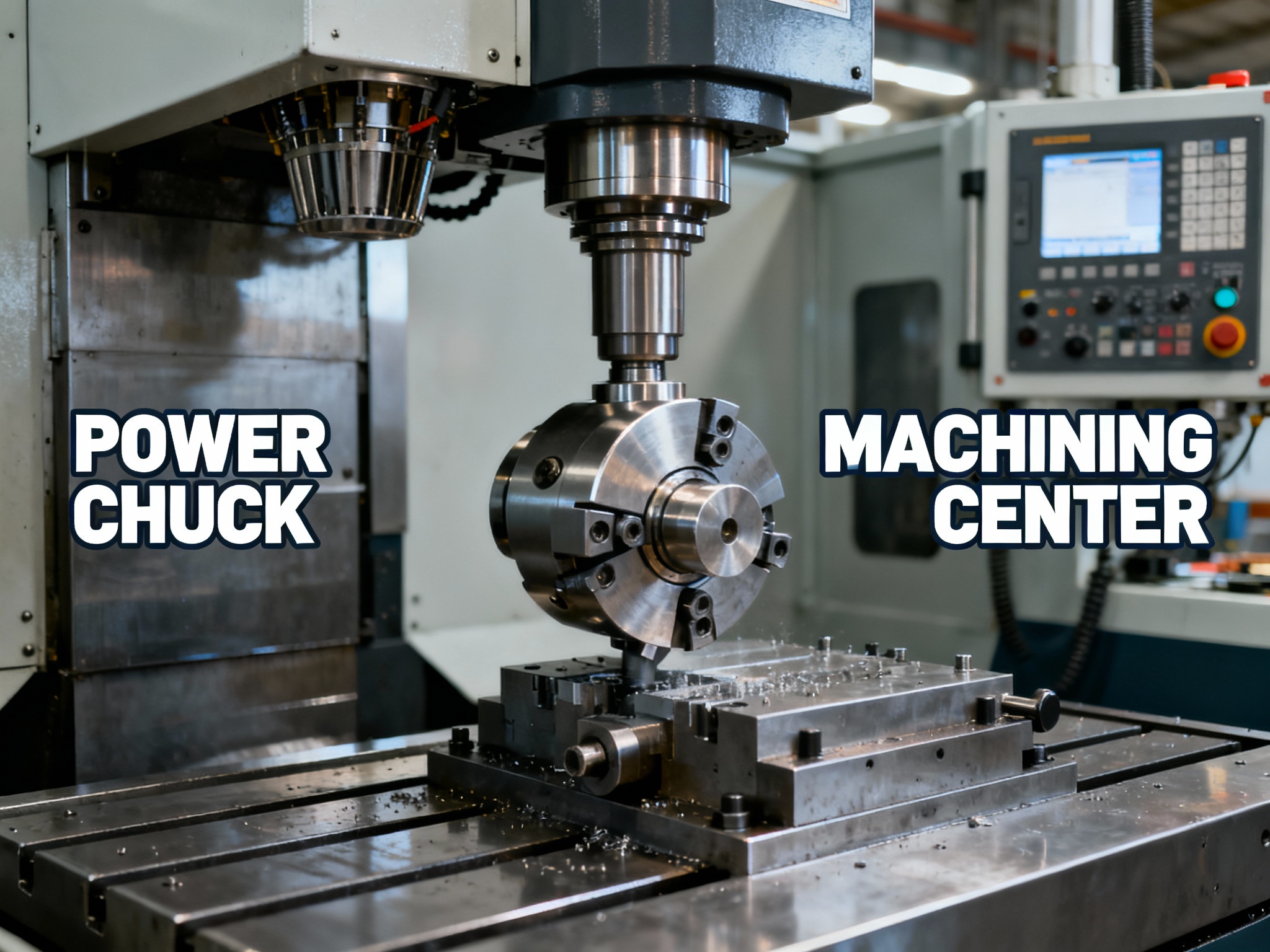
Selecting the appropriate chuck for machining tasks is crucial for ensuring efficiency, precision, and safety in manufacturing processes. The choice between 2-jaw, 3-jaw, and 4-jaw chucks depends on the specific requirements of the workpiece and the machining operation. This report provides a comprehensive analysis of each type of chuck, their advantages, disadvantages, and suitable applications, helping machinists make informed decisions.

2-Jaw Chucks

Characteristics and Applications

2-jaw chucks are designed with two jaws positioned opposite each other. This configuration is particularly advantageous for gripping irregularly shaped workpieces, such as rectangular, square, or asymmetrical components. The independent movement of each jaw allows for a secure grip on non-circular profiles, making 2-jaw chucks ideal for clamping pipes, tubes, or non-round components (LMJXKJ, 2024).

Advantages

  • Adaptability: The ability to adjust each jaw independently makes 2-jaw chucks highly adaptable to irregular shapes, providing excellent clamping force and stability for asymmetric components (LMJXKJ, 2024).
  • Ease of Use: Setup and alignment are often quicker compared to chucks with more jaws, especially when working with irregular shapes (LMJXKJ, 2024).

Disadvantages

  • Stability: 2-jaw chucks concentrate clamping force on two points, which can be less stable for round parts compared to chucks with more jaws (LMJXKJ, 2024).

3-Jaw Chucks

Characteristics and Applications

3-jaw chucks are among the most common types used in CNC machining. They feature three jaws forming a triangle, which provides self-centering capabilities, making them ideal for holding round or hexagonal workpieces. The jaws move simultaneously, opening or closing to grip the workpiece firmly (Rayco Fixture).

Advantages

  • Self-Centering: The self-centering nature of 3-jaw chucks makes them a natural option for fast-paced setting and processing, saving time and effort during machining (Rayco Fixture).
  • Versatility: 3-jaw chucks are versatile, capable of holding round, hexagonal, and irregularly shaped workpieces without the need to switch to a different chuck (Rayco Fixture).
  • Cost-Effective: Generally, 3-jaw chucks are less expensive than 4-jaw alternatives (Rayco Fixture).

Disadvantages

  • Precision: The scroll plate tooth design limits the precision of a 3-jaw chuck compared to a 4-jaw independent alternative (Rayco Fixture).

4-Jaw Chucks

Continue reading

What Can We Do to Stop Plastic Pollution

Introduction: The Growing Plastic Pollution Crisis

Growing Plastic Pollution Crisis Created by CANVA AI

Plastic pollution has become a global environmental crisis, with over 400 million tons of plastic produced annually, much of it ending up in oceans, landfills, and ecosystems. This section introduces the scale of the problem, highlighting its impact on marine life, human health, and climate change. It sets the stage for actionable solutions by emphasizing the urgency of addressing plastic waste through collective efforts across industries, governments, and individuals.

Understanding the Sources of Plastic Pollution

This section explores the primary sources of plastic pollution, including single-use plastics, packaging (which accounts for ~40% of plastic production), and microplastics from textiles and cosmetics. It discusses industry trends, such as the overuse of plastics in food and beverage packaging and the challenges of improper waste management in developing regions. Data from reports like the OECD’s 2022 Global Plastics Outlook can be referenced to highlight that only 9% of plastic waste is recycled globally.

Industry Innovations: Reducing Plastic Production

Innovative industry trends are reshaping plastic use. This section covers:

  • Bioplastics and Alternatives: Development of plant-based plastics (e.g., PLA, PHA) and biodegradable materials.
  • Circular Economy Models: Companies adopting closed-loop recycling systems to minimize waste.
  • Packaging Redesign: Trends like lightweighting, reusable packaging, and plastic-free alternatives in retail (e.g., zero-waste stores). Highlight examples like Unilever’s commitment to reducing virgin plastic use by 50% by 2030 or startups developing mushroom-based packaging.

Policy and Regulation: Driving Systemic Change

Government policies are critical in curbing plastic pollution. This section discusses:

  • Bans and Restrictions: Global trends in banning single-use plastics (e.g., EU’s 2021 single-use plastic ban).
  • Extended Producer Responsibility (EPR): Policies holding manufacturers accountable for plastic waste.
  • International Agreements: The 2022 UN Environment Assembly’s resolution to end plastic pollution by 2024, with legally binding measures. Include examples like Canada’s 2030 single-use plastic ban and deposit schemes for bottles.

Consumer Actions: Empowering Change at the Grassroots

Individuals play a vital role in reducing plastic pollution. This section outlines actionable steps:

  • Reducing Single-Use Plastics: Encouraging reusable bags, bottles, and straws.
  • Supporting Sustainable Brands: Choosing products with minimal or recyclable packaging.
  • Proper Waste Sorting: Educating consumers on recycling guidelines to improve recovery rates. Trends show growing consumer demand for eco-friendly products, with 66% of global consumers willing to pay more for sustainable goods (Nielsen, 2023).

Technology and Waste Management: Closing the Loop

This section explores technological advancements in waste management:

  • Advanced Recycling: Chemical recycling and pyrolysis to break down plastics into reusable components.
  • Waste-to-Energy: Converting non-recyclable plastics into energy.
  • Microplastic Filters: Innovations in filtration systems for wastewater treatment. Highlight companies like Plastic Bank, which incentivizes plastic collection in developing nations, and AI-driven sorting technologies improving recycling efficiency.

Plastic Recycling Equipment: Powering Efficient Waste Management

Advanced recycling equipment is pivotal in transforming plastic waste into reusable resources, addressing the low global recycling rate of 9%. This section explores key technologies:

Continue reading

Freight and Logistics News and Market Update 2025

Introduction

The freight and logistics industry in 2025 is navigating a complex landscape characterized by technological advancements, regulatory changes, and evolving market dynamics. This report provides a comprehensive overview of the current state of the global freight market, highlighting key trends, challenges, and opportunities. It draws on insights from multiple reliable sources to offer a detailed analysis of the industry’s trajectory.

Market Overview

Global Freight Market Dynamics

In 2025, the global freight market is experiencing significant shifts due to a combination of economic, geopolitical, and technological factors. The Drewry Global Container Freight Index (WCI) indicates a slight increase of 0.45% to $3,543/FEU in Week 24 of 2025, reflecting a stabilization in freight rates after a period of volatility (Phaata, 2025). This stabilization is attributed to the temporary suspension of reciprocal tariffs on China by the U.S., which has led to a resumption of strong freight traffic.

Regional Market Trends

The market has diverged into two distinct scenarios across major trade routes. The Asia-North America route has entered a rebalancing phase, with carriers effectively adding capacity to cool the market, particularly at West Coast ports. The withdrawal of the General Rate Increase (GRI) on June 15, 2025, is a testament to this change (Phaata, 2025).

Conversely, the Asia-Europe trade route is facing a severe operational crisis, with freight rates continuing to climb due to supply-side issues like port congestion, schedule delays, and reduced capacity. This scenario is exacerbated by geopolitical uncertainties, which pose significant risks to market stability (Phaata, 2025).

Key Trends and Developments

Technological Advancements

The logistics industry is witnessing substantial progress in supply chain technology. Innovations in autonomous vehicles (AVs), electric vehicles (EVs), and alternative fuels are gaining traction. The adoption of AI in transportation management and fraud detection is also on the rise, enhancing operational efficiency and security (Uber Freight, 2025).

Regulatory Changes

Regulatory shifts are central to the challenges facing the freight and logistics industry. Governments are implementing stricter policies on international freight services, directly influencing ocean and air freight costs. These changes necessitate compliance and adaptation by industry players to maintain competitiveness (ExFreight, 2025).

Nearshoring and Geopolitical Shifts

Nearshoring to Mexico has emerged as a key trend, with cross-border trade between Mexico and the U.S. reaching an all-time high. This shift is driven by geopolitical factors and the need for supply chain resilience. The impact of nearshoring on the supply chain and freight demand is expected to be significant, potentially leading to increased domestic manufacturing activity (Uber Freight, 2025).

Challenges and Opportunities

Supply Chain Disruptions

The supply chain industry is navigating an era of rapid transformation, with businesses adapting to shifting consumer demands, volatile markets, and technological disruptions. Evolving regulations and tariffs pose challenges, requiring companies to optimize their logistics networks to remain competitive (ExFreight, 2025).

Freight Market Volatility

The freight market continues to evolve against a backdrop of mixed signals. While projections for steep inflation in spot rates by the end of 2025 have softened, the market is likely to lean inflationary in the coming months due to regulatory changes. Shippers are advised to be prepared and proactive, as policy changes and macroeconomic shifts can quickly alter capacity and pricing (Fetch Freight, 2025).

Environmental and Sustainability Initiatives

Environmental regulations are expected to become more stringent in 2025, with a focus on sustainability and efficiency. The logistics industry is increasingly adopting smart technology and alternative fuels to meet these demands, presenting opportunities for innovation and growth (FreightRate, 2025).

Conclusion

The freight and logistics industry in 2025 is characterized by a dynamic interplay of technological advancements, regulatory changes, and market shifts. While challenges such as supply chain disruptions and regulatory compliance persist, opportunities for innovation and growth abound. Industry players must remain agile, leveraging technology and strategic partnerships to navigate the evolving landscape and capitalize on emerging trends..

As the global freight and logistics landscape continues to evolve, partnering with a trusted logistics provider becomes increasingly crucial. HLS Honour Lane Shipping, a leading transport and logistics company, offers comprehensive and reliable freight solutions tailored to meet diverse supply chain needs. Whether you require efficient sea freight services across major global trade lanes, time-sensitive air freight services, cost-effective railway freight services for intercontinental transport, or customized value-added logistics services such as cargo consolidation and documentation support, HLS delivers with excellence and expertise. In a year shaped by complexity and opportunity, HLS Honour Lane Shipping stands ready to support businesses in navigating the challenges of 2025 with resilience and strategic insight.

Machan International Partners with Taiwan’s CPC to Drive Dual Transformation in Low-Carbon and Smart Manufacturing

Facing EU Carbon Tariffs, Taiwan’s Toolbox Leader Pioneers Supply Chain Sustainability

In response to the European Union’s Carbon Border Adjustment Mechanism (CBAM), Machan International—a key supplier of metal tool trolleys to global brands like Stanley Black & Decker and Home Depot—has launched a strategic collaboration with the China Productivity Center (CPC). Through a landmark Memorandum of Understanding (MOU) signed on April 28, 2025, the two entities will co-lead a dual-axis transformation integrating low-carbon practices and smart manufacturing technologies across Machan’s supply chain.

Core Strategy: The “Large-Small Leadership” Model

Subsidized by Taiwan’s Industrial Development Agency, this initiative empowers Machan to guide 10 suppliers in establishing a “Sheet Metal Black Hand Value Chain Low-Carbon System”, featuring:

  • Carbon Hotspot Identification: Full emissions audits across production processes.
  • Energy Efficiency Upgrades: Optimizing compressed air systems and pipeline networks to reduce waste by 15–20%.
  • Zero-Loss Production: Implementing Total Productive Maintenance (TPM) to achieve “zero disasters, defects, and failures”.
  • Green Logistics: Cutting redundant handling and fuel consumption through route digitization.

CPC deploys proven decarbonization methodologies from prior manufacturing projects to accelerate emission reductions.

ESG Integration: Four-Pillar Framework

Machan’s ESG Development Committee (established in 2022) drives progress through specialized task forces:

Task ForceKey Initiatives
Environmental & EnergyISO 50001 & ISO 14064 certification; solar-powered “green factory” construction.
Green ProductsEco-design with recycled materials; pursuing ISO 14067 product carbon footprint certification.
Social Responsibility“Resilient Love – Happiness Net” program (supporting 8 NGOs); digital platform “Heart Library” for community empowerment.
Corporate GovernanceESG-aligned supplier audits; AI-enhanced operational risk controls.

Culture-Driven Transformation

CEO Ting-Wei Chang emphasizes that success hinges on cultural alignment:

Hardware is easy; people are the real challenge. We embed ESG thinking into daily operations—from cross-departmental ‘zero-carbon workshops’ to employee-led initiatives like cycling commutes and shared transport.”

The company’s core values—Accountability, Courage, Co-learning, Pragmatism—underpin its biannual innovation forums and sustainability training.

Future-Focused Investments

Continue reading