What is the Best Material to Protect Floors During Construction

Floor protection during construction is crucial for maintaining the quality and longevity of flooring surfaces. With the variety of materials available, selecting the right one can be challenging. The ideal material depends on factors such as the type of flooring, anticipated foot traffic, budget, and specific project requirements. This report aims to provide a detailed analysis of the best materials for floor protection during construction, drawing on recent and reliable sources.

Key Considerations for Floor Protection

Durability

Durability is a primary consideration when selecting floor protection materials. The chosen material must withstand heavy foot traffic, equipment, and potential spills. Durable materials ensure that floors remain intact and unscathed throughout the construction project.

Cost-Effectiveness

While durability is essential, cost-effectiveness is also a critical factor. It’s important to find a balance between quality and affordability. Comparing prices of different floor protection sheets can help achieve this balance.

Specific Requirements

The ideal material varies based on specific requirements, including the type of flooring and the anticipated foot traffic. Common choices include foam sheets for cushioning, floor guards for heavy-duty protection, and POP floor protection for long-term durability.

Popular Floor Protection Materials

Foam Sheets

Foam sheets provide cushioning and are ideal for protecting delicate flooring. However, they absorb moisture, odors, and stains, and low-density foam can indent under heavy equipment over time. Foam mats require taping for stability.

Rubber Mats

Rubber floor protection mats are extremely durable, reusable for years, and resistant to moisture. They withstand heavy machinery while returning to form when compressed. However, high-quality rubber mats are heavy, difficult to cut, and expensive initially.

Cardboard and Paper

Cardboard sheets or rolls are excellent for guarding against scratches, scuffs, and light foot traffic. They are lightweight, affordable, and easy to install. However, cardboard is not water-resistant and provides limited protection against heavy equipment or chemical spills.

Plastic Film

Plastic films, such as polyethylene or self-adhesive protective films, are popular for carpets and hard floors. They provide a waterproof barrier, are resistant to tears, and are easy to peel and stick. However, plastic films can become slippery, creating a potential hazard in work zones.

PP Corrugated Sheets

For projects requiring durable, waterproof, and lightweight solutions, PP floor protection sheets are highly recommended. These materials offer excellent impact resistance, are reusable, and can be customized to fit any construction environment. Unlike cardboard or plastic film, corrugated plastic floor protection sheets provide superior strength without adding excessive weight, making them ideal for both residential and commercial construction sites.

Plywood Boards

Plywood boards are extremely durable and able to withstand the impact of dropped tools or machinery. This wood material can be reused many times. However, plywood requires labor to install and remove and only protects limited areas, not entire floors.

Benefits of Floor Protection

Time Savings

Protecting flooring during renovations saves time by preventing the need for cleaning or repairing damage after the project is complete. This allows focus on other aspects of the renovation process.

Improved Air Quality

Using floor protection during renovations can improve air quality by preventing dust, debris, and other particles from settling onto the flooring. This is especially important for individuals with allergies or respiratory issues.

Safety and Accessibility

Protected surfaces provide solid, level footing, preventing slips and falls. High-traffic routes can stay protected and accessible, ensuring that residents aren’t cut off from parts of their homes during renovations.

Conclusion

Selecting the best material for floor protection during construction involves considering factors such as durability, cost-effectiveness, and specific project requirements. In particular, plastic floor protection boards offer an excellent balance of strength, reusability, and affordability, making them a smart choice for comprehensive surface protection. Ultimately, the choice of material should align with the specific needs of the project to ensure optimal protection and efficiency.

Looking for Reliable Plastic Floor Protection Sheets?

If you are in need of high-quality plastic floor protection sheets for your construction projects, Polariod is a trusted manufacturer you can rely on. They offer durable, customizable, and cost-effective solutions to meet various site requirements. Contact Polariod to get expert recommendations and the best floor protection products for your project.

References: Polariod, Anbre, Forward Motion, SpriteShield, V-PRO Cover

Regional Factors Impacting Construction Screw Demand by 2030

Introduction

The global construction industry is poised for significant growth over the next decade, and with it, the demand for construction screws is expected to rise. Construction screws are integral components in building and infrastructure projects, providing essential fastening solutions across various applications. This report delves into the regional factors that will most impact the demand for construction screws by 2030, focusing on key regions such as North America, Europe, Asia-Pacific, Latin America, and the Middle East & Africa. The analysis is based on insights from multiple sources, offering a comprehensive view of the market dynamics.

North America

Technological Advancements and Industrial Activity

North America is a leader in adopting advanced technologies within the construction industry, which significantly impacts the demand for construction screws. The region’s focus on precision engineering and the development of corrosion-resistant materials has enhanced the quality and durability of screws, driving market growth (Grand View Research). Furthermore, the high adoption rates of innovative construction techniques in industries such as automotive and aerospace contribute to the increased demand for specialized screws.

Infrastructure Development

Infrastructure development projects are a major driver of construction screw demand in North America. The emphasis on modernizing existing infrastructure and constructing new facilities to accommodate urbanization and population growth is expected to sustain demand. The U.S. market, in particular, is witnessing increased investments in construction and interior decoration, further boosting the demand for structural wood screws (Grand View Research).

Europe

Governmental Support and Sustainability Initiatives

In Europe, governmental support for sustainable construction practices is a significant factor influencing the demand for construction screws. The European Union’s Green Deal aims to reduce carbon emissions in the construction sector, promoting the use of durable and eco-friendly materials like corrosion-resistant structural wood screws (Expert Market Research). Additionally, policies such as Germany’s Climate Action Program 2030 encourage the renovation and modernization of buildings, further driving demand for high-quality fastening solutions.

Innovation and Technological Advancements

Europe’s strong focus on innovation in construction techniques and materials also plays a crucial role in shaping the demand for construction screws. The region’s commitment to developing advanced fastening solutions that enhance efficiency and sustainability is expected to drive market growth (Grand View Research).

Asia-Pacific

Rapid Industrialization and Urbanization

The Asia-Pacific region is projected to exhibit the fastest growth in construction screw demand due to rapid industrialization and urbanization. Countries like China, India, and Southeast Asian nations are experiencing significant investments in infrastructure development, fueling the demand for construction screws (Global Info Research). The region’s burgeoning construction industry, driven by population growth and increasing consumer disposable income, is a key factor contributing to this trend.

Technological Adoption and Innovation

The adoption of advanced construction technologies, such as self-tapping screws that eliminate the need for pre-drilling, is gaining traction in the Asia-Pacific market. This trend enhances construction efficiency and is expected to drive demand for innovative fastening solutions across residential and commercial projects (Expert Market Research).

Latin America and the Middle East & Africa

Expanding Infrastructure Projects

In Latin America and the Middle East & Africa, expanding infrastructure projects are key drivers of construction screw demand. These regions are witnessing increased investments in infrastructure development to support economic growth and urbanization. The focus on building new facilities and modernizing existing infrastructure is expected to sustain demand for construction screws (LinkedIn).

Growing Focus on Sustainable Construction

There is a growing emphasis on sustainable construction practices in these regions, which is expected to influence the demand for eco-friendly construction screws. The adoption of screws made from recycled materials or designed for easy disassembly and reuse aligns with global sustainability trends and is anticipated to drive market growth (Grand View Research).

Conclusion

The demand for construction screws is set to rise significantly by 2030, driven by various regional factors. In North America, technological advancements and infrastructure development projects are key drivers. Europe’s focus on sustainability and innovation in construction techniques will continue to shape demand. The Asia-Pacific region’s rapid industrialization and urbanization, coupled with technological adoption, will fuel growth. In Latin America and the Middle East & Africa, expanding infrastructure projects and a focus on sustainable construction practices will sustain demand. As the global construction industry evolves, the demand for advanced, durable, and eco-friendly construction screws is expected to grow, presenting opportunities for manufacturers and suppliers in the market.

As global demand increases, sourcing from a trusted manufacturer becomes even more crucial. Fong Prean Industrial Co., Ltd., a leading construction screw manufacturer based in Taiwan,offers a wide range of high-performance fasteners designed to meet diverse regional construction needs. Their product lineup includes drywall screws for metal studs, gypsum board screws, twister screws, wood screws, countersunk wood screws, and CSK screws. Engineered for strength, precision, and durability, Fong Prean’s screws are an ideal choice for infrastructure, interior construction, and sustainable building projects worldwide.

Telehealth Carts: The Engine of Resilient Healthcare in the Post-Pandemic Era

Introduction: From Crisis Solution to Core Infrastructure

The COVID-19 pandemic irrevocably exposed the fragility of traditional healthcare delivery. Amidst overwhelmed facilities and infection risks, telehealth carts emerged as critical lifelines. These mobile units enabled remote consultations, patient monitoring, and virtual family connections – ensuring care continuity while minimizing transmission. As we transition beyond the acute crisis, telehealth carts have evolved from emergency tools into indispensable infrastructure for modern healthcare systems facing persistent infectious threats and rising patient expectations.

Why Telehealth Carts Became Essential: The Pandemic Catalyst

  • Immediate Safety: Enabled social distancing in clinical settings, protecting patients and staff.
  • Operational Continuity: Maintained care delivery during lockdowns and facility overloads.
  • Resource Optimization: Forward triaging conserved scarce PPE and reduced exposure risks.
  • Human Connection: Provided isolated patients access to families and support networks via video.
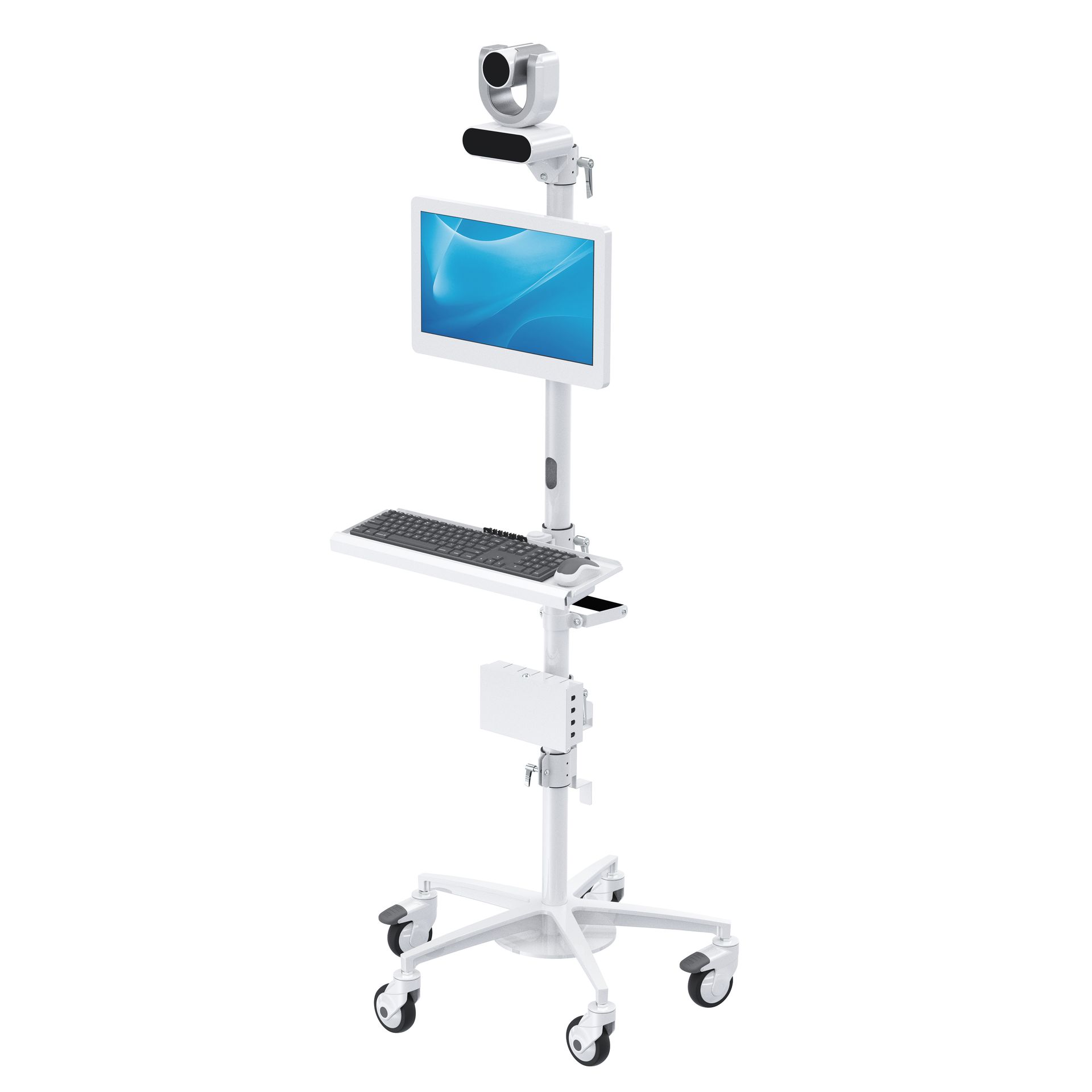
Telehealth Mobile Cart #9120A by Diwei

Core Advantages in Post-Pandemic Healthcare

A. Unmatched Flexibility & Mobility

  • Deploy Anywhere: Wheels, batteries, and wireless connectivity allow use in hospitals (ERs, ICUs, wards), clinics, nursing homes, or remote/rural sites.
  • On-Demand Care: Brings specialists virtually to the patient’s bedside or community setting.

B. Enhanced Efficiency & Cost-Effectiveness

  • Streamlined Workflow: Reduces wait times, optimizes staff time, and improves patient flow (e.g., virtual triage).
  • Lower System Costs: Minimizes unnecessary admissions/readmissions and reduces travel burdens for patients.
  • Resource Leverage: Maximizes specialist reach without physical travel.
Continue reading

Industrial Ultrasonic Cleaning Machine and Equipment Marketing Trend 2025 to 2035

Introduction

The industrial ultrasonic cleaning machine and equipment market is poised for significant growth from 2025 to 2035. This growth is driven by a variety of factors, including technological advancements, increasing demand for precision cleaning across various industries, and the adoption of eco-friendly practices. This report aims to provide a comprehensive analysis of the market trends, growth drivers, and future prospects of the industrial ultrasonic cleaning equipment market over the next decade.

Market Overview

The global market for ultrasonic cleaning equipment is projected to experience robust growth, with market value expected to increase from approximately USD 2.1 billion in 2024 to USD 3.9 billion by 2035. This represents a compound annual growth rate (CAGR) of 5.8% during the forecast period from 2025 to 2035 (CleanLink). The market is expanding due to rising demand for precision cleaning in industries such as healthcare, automotive, and electronics (Power Systems Design).

Key Growth Drivers

1. Technological Advancements

Technological innovations are a major driver of growth in the ultrasonic cleaning equipment market. The integration of smart technologies, such as the Internet of Things (IoT) and artificial intelligence (AI), into ultrasonic cleaning systems allows for enhanced monitoring, control, and optimization of cleaning processes. These innovations enable companies to achieve greater efficiency, reduce water and energy consumption, and ultimately lower operational costs (Core Market Research).

2. Increasing Demand for Precision Cleaning

The demand for precision cleaning solutions is escalating across various industries, including healthcare, automotive, and electronics. This demand is driven by the need for improved cleanliness and the rising number of eco-friendly cleaning solutions. The ultrasonic cleaning market is expected to grow to USD 2.46 billion in 2029 at a CAGR of 7.5% (The Business Research Company).

3. Adoption of Eco-Friendly Practices

The increasing adoption of environmentally conscious cleaning practices is another significant factor contributing to market growth. The use of eco-friendly solvents and high-frequency ultrasonic technology is driving the expansion of the ultrasonic cleaning equipment market (GlobeNewswire).

Regional Insights

North America

North America was the largest region in the ultrasonic cleaning equipment market in 2024. The region is expected to continue its dominance due to the presence of major market players and the high adoption rate of advanced cleaning technologies (The Business Research Company).

Asia-Pacific

Asia-Pacific is expected to be the fastest-growing region in the forecast period. The region’s growth is attributed to the expanding industrial sector, increasing healthcare infrastructure, and rising awareness of cleanliness standards (The Business Research Company).

Europe

The European ultrasonic cleaning equipment market is expected to witness a robust CAGR of 7.2% leading up to 2035. The market is poised to benefit significantly from the ongoing advancements in technology and the increasing emphasis on sustainability and eco-friendly practices across industries (Core Market Research).

Challenges and Opportunities

Challenges

Despite the promising growth prospects, the ultrasonic cleaning equipment market faces challenges such as high initial costs and competition from traditional cleaning methods. These challenges may hinder the market’s growth potential in the short term (GlobeNewswire).

Opportunities

The market is poised to benefit from the ongoing advancements in technology, which are creating new opportunities for growth. The integration of smart technologies into ultrasonic cleaning systems is anticipated to see a surge in demand, opening new avenues for manufacturers and service providers alike. Moreover, the increasing emphasis on sustainability presents opportunities for companies to develop and market eco-friendly cleaning solutions (Core Market Research).

Conclusion

The industrial ultrasonic cleaning machine and equipment market is set for substantial growth from 2025 to 2035. Driven by technological advancements, increasing demand for precision cleaning, and the adoption of eco-friendly practices, the market is expected to reach USD 3.9 billion by 2035. While challenges such as high initial costs and competition from traditional methods exist, the integration of smart technologies and the emphasis on sustainability present significant opportunities for growth. As industries continue to embrace automation and digitalization, the demand for ultrasonic cleaning equipment is anticipated to rise, providing a promising outlook for the market.

In this rapidly evolving landscape, LEO Ultrasonic Co., LTD, a leading Taiwanese ultrasonic cleaning machine manufacturer, stands out with its diverse product portfolio designed to meet both industrial and consumer needs.

🔹 For Commercial and Foodservice Applications

Ultrasonic Commercial Fruit and Vegetable Washing Machine
Provides powerful yet gentle cleaning performance, ideal for bulk washing of fruits and vegetables to enhance food safety and efficiency.

🔹 For Household Use

Ultrasonic Fruit and Vegetable Cleaner for Household
A compact device that effectively removes pesticides and contaminants, offering an eco-friendly and easy-to-use solution for daily cleaning.

🔹 For Industrial Use

Industrial Ultrasonic Cleaning Machines
High-performance systems designed for large-scale industrial cleaning needs, improving productivity and precision.

Benchtop Ultrasonic Cleaners
Space-efficient and effective, ideal for laboratories and workshops.

🔹 Various Capacity Options

600ml Ultrasonic Cleaner: Suitable for cleaning small, delicate items.

30L Ultrasonic Cleaner: Designed for heavy-duty industrial cleaning tasks.

Turning Waste into Worth: The Sustainable Power of Pineapple Leaf Fiber

As the textile industry grapples with the mounting need for sustainable materials, pineapple leaf fiber (PALF)—also known as Piña fiber—has risen as a natural, biodegradable, and resource-efficient alternative. Extracted from the agricultural waste of pineapple farming, this remarkable fiber not only reduces environmental harm but also holds the potential to support local economies and redefine what sustainability in fashion can look like.

What is Pineapple Leaf Fiber (PALF)?

PALF is extracted from the long, tough leaves of the pineapple plant, typically discarded after fruit harvesting. Traditionally treated as waste—burned or left to decompose—these leaves are now being upcycled into valuable raw material, in line with circular economy principles.

Composed primarily of cellulose, lignin, and hemicellulose, PALF is known for its strength, lightness, and natural sheen. These qualities make it suitable for a wide range of uses, from fashion textiles and accessories to composites used in furniture and even automotive interiors.

Environmental Benefits of PALF

🌱 1. Waste Reduction & Upcycling

By converting post-harvest pineapple leaves into fiber, PALF production significantly reduces agricultural waste and prevents harmful CO₂ emissions that result from burning. For example, burning 33 kg of leaves emits around 6 kg of CO₂—emissions that can be avoided through fiber extraction.

Continue reading

Flow Wrap Packaging Machine Marketing Trends

Introduction

Flow wrap packaging machines are pivotal in the packaging industry, offering efficient, high-speed, and flexible solutions for wrapping a variety of products. As the market evolves, several trends are shaping the marketing strategies for these machines. This report delves into the current marketing trends in the flow wrap packaging machine sector, focusing on technological advancements, sustainability, customization, and industry-specific applications. The analysis is based on various reliable sources and aims to provide a comprehensive overview of the market dynamics as of 2025.

Technological Advancements

Automation and IoT Integration

One of the most significant trends in the flow wrap packaging machine market is the integration of automation and Internet of Things (IoT) technologies. These advancements allow for real-time monitoring, remote diagnostics, and predictive maintenance, which enhance machine performance and reduce downtime (Baopack). Smart flow wrappers equipped with sensors and auto film tensioning are gaining prominence, particularly in the food, pharmaceutical, and personal care industries (Future Market Insights).

AI and Smart Packaging

Artificial Intelligence (AI) is increasingly being used for defect detection and process optimization. AI-based diagnostics and smart packaging technologies, such as RFID tags and QR codes, are being integrated into flow wrap machines to improve product traceability and inventory management (Market Research Intellect). These innovations not only enhance the customer experience but also provide valuable insights into product usage.

Sustainability

Eco-Friendly Materials

Continue reading

Challenges Facing Global Transport and Logistics Services in 2025

The logistics and transportation industry in 2025 faces a whirlwind of challenges, each demanding innovative solutions and strategic foresight. Let’s dive into the key hurdles shaping this dynamic sector.

  1. Labor Shortages: A Persistent Dilemma
    The shortage of skilled workers continues to plague the logistics sector globally. In regions like the UK, there’s an alarming shortfall of HGV drivers, with many nearing retirement age. Post-Brexit policies have further tightened access to EU labor markets, exacerbating the issue. Meanwhile, in broader global contexts, companies are grappling with attracting young talent to an industry often perceived as unappealing or outdated. To counteract this trend, businesses are turning to automation and offering competitive wages alongside better work-life balance initiatives.
  2. Rising Consumer Expectations
    Consumers now demand lightning-fast deliveries—same-day or next-day is no longer a luxury but a baseline expectation. This shift places immense pressure on last-mile delivery systems and requires investments in technologies like AI-driven route optimization and warehouse automation. The challenge isn’t just speed; transparency has become non-negotiable too. Real-time tracking tools must integrate seamlessly into operations to meet these expectations.
  3. Infrastructure Bottlenecks
    Aging infrastructure remains a significant roadblock for efficient supply chains worldwide. Congested highways and inadequate port facilities lead to delays that ripple through entire networks. While governments slowly invest in upgrades, businesses have little choice but to adopt advanced visibility tools that allow real-time rerouting around bottlenecks.
  4. Sustainability Pressures Mounting
    Environmental responsibility is no longer optional—it’s demanded by both consumers and regulators alike. Logistics firms must embrace green practices such as alternative fuels, electric vehicles, solar-powered warehouses, and optimized routing systems to reduce emissions significantly. With regulations tightening globally (e.g., Clean Air Zones), proactive adaptation is essential not only for compliance but also for maintaining customer trust.
  5. Trade Tensions & Geopolitical Risks
    Global trade remains vulnerable to political instability—think tariffs, sanctions, or outright conflicts disrupting established routes overnight. For instance, ongoing disputes between major economies force companies into costly adjustments while navigating regulatory complexities across borders.
  6. Escalating Costs Across the Board
    From fuel price fluctuations to increased operational expenses due to inflationary pressures—the financial strain on logistics providers is palpable everywhere you look! Smaller players particularly feel squeezed as they operate on razor-thin margins already stretched by rising demands for eco-friendly solutions.
Continue reading

Comparing Ring Lock Scaffolding Systems vs. Traditional Scaffolding Systems

Which System Offers Better Safety, Efficiency, and Flexibility?

In the fast-paced world of modern construction, the tools and systems used on-site can significantly influence both project efficiency and worker safety. Among them, scaffolding systems play a crucial role. Today, we take a closer look at two popular types: Ring Lock Scaffolding Systems and Traditional Scaffolding Systems, to understand how they differ and which is better suited for current construction demands.

What is Traditional Scaffolding?

Traditional scaffolding systems typically include tube and coupler (clamp) scaffolding, frame scaffolding, or H-frame scaffolding. These systems have been used for decades and are still prevalent in many parts of the world. They are usually assembled manually using steel pipes and fittings.

Pros:

  • Widely understood by the workforce
  • Lower initial cost
  • Suitable for simple, low-rise projects

Cons:

  • Labor-intensive assembly and disassembly
  • Higher risk of assembly errors
  • Limited flexibility for complex structures

What is Ring Lock Scaffolding?

Ring Lock scaffolding is a modular system made up of vertical posts, horizontal ledgers, and diagonal braces that connect through a rosette (ring) mechanism. It’s engineered for quick installation, high stability, and adaptability in complex architectural environments.

Pros:

  • Fast assembly: Fewer components and a rosette locking mechanism speed up setup
  • Enhanced safety: Standardized components reduce human error
  • Versatile design: Ideal for irregular structures and industrial applications
  • Durability: Galvanized steel resists corrosion and wear

Cons:

  • Higher initial investment
  • Requires training for first-time users

Head-to-Head Comparison

Continue reading

Shrink Film Machine Trends Shaping Packaging Today

In the fast-evolving world of packaging, efficiency, sustainability, and automation have become the cornerstones of innovation. Among the key technologies driving this change, shrink film machines stand out for their versatility and widespread use across industries—from food and beverages to pharmaceuticals and electronics. As consumer demand and industry standards continue to shift, here are the top shrink film machine trends shaping modern packaging today.

  • Sustainable Packaging Solutions

Environmental responsibility is no longer optional—it’s essential. Manufacturers are increasingly turning to eco-friendly shrink films, including recyclable and biodegradable options. In response, shrink film machines are now being designed or upgraded to handle these new materials efficiently, without compromising sealing strength or product integrity.

Trend Insight:Machines that minimize film waste, reduce energy consumption, and work with thinner films are gaining popularity. Many brands are also exploring mono-material shrink wraps to improve recyclability.Automation and Smart Technology Integration

  • Automation and Smart Technology Integration

With labor shortages and a growing emphasis on efficiency, automation is a key trend. Modern shrink film machines come equipped with smart sensors, PLC controls, and IoT integration. These features allow for real-time monitoring, predictive maintenance, and remote troubleshooting.

Trend Insight:Smart machines can self-adjust for varying product sizes, reducing downtime and improving consistency in high-volume operations.

Continue reading

Advantages and Limitations of Magnetic Drive Pumps in Industrial Applications

Magnetic drive pumps, also known as mag-drive pumps, are a fascinating piece of engineering in the industrial world. They operate without traditional mechanical seals, using magnetic coupling instead to transfer power from the motor to the impeller. This unique design offers several advantages but also comes with some limitations that make them suitable for specific applications.

Advantages of Magnetic Drive Pumps

  1. Leak-Free Operation: One of the most celebrated features is their seal-less design. By eliminating mechanical seals, these pumps significantly reduce the risk of leaks. This makes them ideal for handling hazardous or toxic fluids like acids and alkalis.
  2. Reduced Maintenance: Without seals, there’s no need to worry about wear and tear on these components, which are often a source of pump failure in traditional designs.
  3. Safety in Hazardous Environments: These pumps excel in environments where leakage could pose severe risks—think chemical plants or pharmaceutical facilities dealing with corrosive or flammable substances.
  4. Material Versatility: Available in both metallic and non-metallic materials, mag-drive pumps can be tailored to withstand different chemical properties and temperatures.
  5. Energy Efficiency: The absence of a direct mechanical connection minimizes energy loss due to friction, making these pumps more efficient than some alternatives.
  6. Quiet Operation: Their design inherently reduces noise levels compared to other pump types.

Limitations of Magnetic Drive Pumps

Continue reading