SAW Filter Market Forecast 2025-2028

Introduction

Surface Acoustic Wave (SAW) filters are crucial components in the electronics and telecommunications industries, playing a significant role in signal processing. They are widely used in mobile phones, televisions, and other communication devices. This report provides an in-depth analysis of the SAW filter market forecast from 2025 to 2028, focusing on market size, growth rates, key drivers, and challenges. The analysis is based on data from various reliable sources, offering a comprehensive overview of the market dynamics.

Market Overview

The global SAW filter market has been experiencing steady growth over the past few years. According to Global Info Research, the market size was valued at approximately USD 5,294 million in 2024 and is projected to reach USD 6,572 million by 2031, with a compound annual growth rate (CAGR) of 3.2% during the review period (GlobalInfoResearch). This growth is attributed to the increasing demand for advanced communication devices and the deployment of 5G networks.

Market Drivers

1. Technological Advancements

The rapid advancements in technology, particularly in the telecommunications sector, have significantly contributed to the growth of the SAW filter market. The deployment of 5G networks has increased the demand for high-performance filters that can handle higher frequencies and bandwidths. SAW filters are preferred for their ability to provide precise frequency selection and low insertion loss, making them ideal for 5G applications (Cognitive Market Research).

2. Growing Demand for Mobile Devices

The proliferation of smartphones and other mobile devices has been a major driver of the SAW filter market. As consumers demand faster and more reliable connectivity, manufacturers are integrating advanced SAW filters into their devices to enhance performance. The increasing penetration of smartphones in emerging markets is expected to further boost the demand for SAW filters during the forecast period (Altus Market Research).

3. Expansion of IoT Applications

The Internet of Things (IoT) is another significant factor driving the growth of the SAW filter market. IoT devices require efficient signal processing capabilities, and SAW filters are well-suited for this purpose due to their compact size and high performance. The expansion of IoT applications across various industries, including healthcare, automotive, and smart homes, is expected to increase the demand for SAW filters (Future Market Insights).

Market Challenges

1. Intense Competition

The SAW filter market is highly competitive, with numerous players vying for market share. This intense competition can lead to price wars, which may impact profit margins for manufacturers. Companies need to focus on innovation and product differentiation to maintain a competitive edge (GlobalInfoResearch).

Continue reading

Strategic Market Trends in Three and Four Jaw Lathe Chucks

Introduction

The lathe chuck market, particularly focusing on three-jaw and four-jaw chucks, is experiencing significant growth and transformation. These components are vital in precision machining and metalworking, serving various industries such as automotive, aerospace, and manufacturing. This report provides a comprehensive analysis of the current strategic market trends in three and four-jaw lathe chucks, emphasizing market dynamics, technological advancements, and future prospects.

Market Overview

The global market for lathe chucks is witnessing substantial growth driven by the increasing demand for precision machining and automation. The market is segmented into various types based on the number of jaws, with three-jaw and four-jaw chucks being the most prominent. The overall chuck market is projected to grow at a compound annual growth rate (CAGR) of 5.5% from 2018 to 2030 (Source Products).

Three-Jaw Chucks

Three-jaw chucks are the most common type, known for their ability to grip the workpiece with concentricity. They are widely used in applications where speed and efficiency are prioritized, such as in the automotive and aerospace industries. The three-jaw chuck segment holds the largest market share of approximately 55% and is expected to continue its dominance (Verified Market Reports).

Four-Jaw Chucks

Four-jaw chucks, on the other hand, have independent jaws, making them more suitable for clamping non-axisymmetric workpieces. This versatility allows them to be used in a variety of precision machining applications, contributing to their anticipated growth as the fastest-growing sub-segment during the forecast period (Verified Market Reports).

Technological Advancements

The lathe chuck market is characterized by its emphasis on precision, versatility, and reliability. Technological advancements play a crucial role in shaping market trends, with innovations such as quick-change jaw systems, hydraulic or pneumatic actuation, and the integration of Industry 4.0 technologies (MarkWide Research).

Automation and Industry 4.0

The growing adoption of automation and Industry 4.0 technologies presents opportunities for growth and differentiation in the lathe chuck market. These advancements enable manufacturers to offer innovative chuck designs, advanced materials, and value-added services to meet evolving customer needs (MarkWide Research).

Continue reading

Comprehensive Guide to Ceiling Mounting a Projector

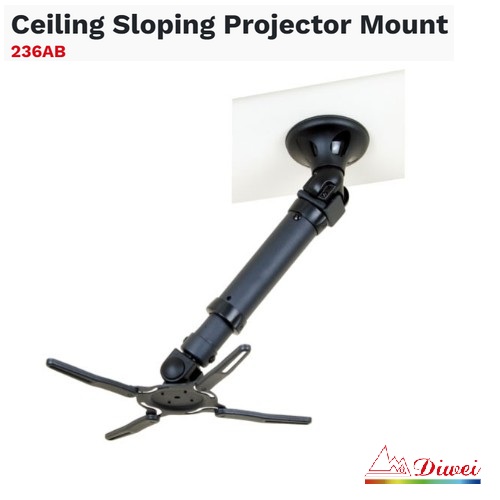
Diwei Ceiling Sloping Projector Mount

Mounting a projector on the ceiling can transform any room into a cinematic experience, offering a dedicated viewing area free from obstructed sightlines and interference. This process not only saves valuable floor space but also enhances the aesthetic appeal of your room by providing a streamlined look. Ceiling mounting a projector is a popular choice for home theaters, conference rooms, and classrooms, as it allows for optimal viewing angles and a clutter-free environment.

The process of ceiling mounting a projector, however, can be daunting, especially for those new to DIY projects. It involves several key considerations, such as selecting the right projector mount suited for yours, understanding the ceiling structure, and ensuring proper cable management. By following a systematic approach, you can achieve a professional and secure installation.

This guide will walk you through the essentials of choosing, positioning, and mounting a projector on the ceiling. It will cover pre-installation considerations, such as projector type and weight, ceiling type and structure, and viewing angle and screen placement. Additionally, it will provide step-by-step instructions for the installation process, from locating ceiling joists to testing the final setup. For those who prefer non-invasive methods, alternative solutions like tension rods, ceiling clamps, and adhesive hooks will also be discussed.

Whether you’re a homeowner looking to enhance your entertainment system or a renter seeking a temporary setup without drilling, this guide offers practical solutions to meet your needs. By leveraging expert insights and best practices, you can create a sleek and immersive viewing experience that will provide years of enjoyment.

For more detailed instructions and tips, you can refer to resources such as Dangbei’s Step-by-Step Guide and NextTools’ Comprehensive Guide. These guides offer valuable insights into the installation process and highlight the benefits of ceiling mounting a projector.

Pre-Installation Considerations for Mounting a Projector from the Ceiling

Assessing Ceiling Structure and Weight Capacity

Before you even think about grabbing that drill, it’s crucial to assess whether your ceiling can handle the weight of a projector and its mount. Think of it as a first date; you want to make sure everything is compatible before committing. The ceiling’s weight capacity is essential to ensure a safe installation. For example, a drop ceiling might not be as strong as a solid concrete ceiling. Consulting a professional contractor or checking the original construction plans can provide insights into the maximum weight your ceiling can support. Remember, you don’t want your projector to make an unexpected descent during movie night! (Easy Tech Solver)

Choosing the Right Mount Kit

Continue reading

Future Market Trends in Cosmetic Packaging for 2025-2026

The cosmetic packaging industry is undergoing a significant transformation, driven by technological advancements, sustainability initiatives, and evolving consumer preferences. As we look towards 2025 and 2026, several key trends are poised to shape the future of cosmetic packaging. This report delves into these trends, providing a comprehensive analysis based on the latest data and insights from trusted sources.

1. Sustainability in Packaging

Sustainability continues to be a dominant theme in cosmetic packaging. By 2025, sustainability has evolved beyond the use of basic recyclable materials. Beauty brands are increasingly adopting carbon-neutral and even carbon-negative packaging solutions to appeal to eco-conscious consumers. Innovations such as bioplastics, edible packaging, and zero-waste designs are becoming more widespread as brands strive to minimize their environmental impact and meet stricter regulatory requirements (Big Sky Packaging).

The growing demand for eco-friendly packaging solutions is also reflected in the adoption of materials such as biodegradable plastics, recycled content, and plant-based alternatives. This shift not only appeals to environmentally conscious consumers but also aligns with the increasing demand for sustainable beauty practices (Pinmao Cosmetic Packaging Manufacturer).

2. Technological Integration and Smart Packaging

The integration of technology into packaging is revolutionizing consumer interaction with beauty products. Smart packaging solutions, featuring QR codes, augmented reality (AR), and near-field communication (NFC) tags, are transforming the beauty industry by offering immersive experiences beyond the product itself. Consumers can scan QR codes to access tutorials, product information, or even virtual try-on features directly from their smartphones. This interactive element not only helps educate consumers but also builds brand loyalty by creating memorable, tech-enhanced experiences (Rixin Cosmetics).

Continue reading

Ultrasonic Cleaning Machine Market Trend 2025

Introduction

The ultrasonic cleaning machine market is experiencing significant growth and transformation as it moves into 2025. This report aims to provide an in-depth analysis of the market trends, focusing on the factors driving growth, technological advancements, and regional dynamics. The information is derived from a variety of reliable sources, ensuring a comprehensive understanding of the market landscape.

Market Overview

The global ultrasonic cleaning market has been on a steady growth trajectory, with its size estimated to reach USD 1.71 billion in 2025, up from USD 1.61 billion in 2024 (Straits Research). The market is projected to grow at a compound annual growth rate (CAGR) of 6.4% from 2025 to 2033, reaching USD 2.81 billion by 2033. This growth is attributed to the increasing demand for precision cleaning across various industries, including healthcare, automotive, and electronics.

Key Market Trends

1. Technological Advancements

The ultrasonic cleaning market is witnessing rapid technological advancements, particularly in the integration of Industry 4.0 technologies. Automation and smart technologies are enhancing the precision and scalability of cleaning processes. Ultrasonic cleaning machines are increasingly equipped with sensors, programmable logic controllers (PLCs), and automated material handling systems, allowing for the cleaning of large batches of components with minimal human intervention (Hong Ultrasonic).

Continue reading

Top Forklift Brands and Their Unique Features Overview

Forklifts are the backbone of material handling, silently powering industries from warehouses to construction sites. But not all forklifts are created equal—each brand brings its own flair, innovation, and strengths. Let’s dive into the world of forklifts and uncover what sets these industry leaders apart.

Toyota: The Pioneer in Stability

Toyota is like the Swiss Army knife of forklifts—versatile, reliable, and packed with features that scream innovation. Known for their System of Active Stability (SAS), Toyota forklifts automatically detect instability and adjust accordingly to prevent accidents. This feature alone has revolutionized safety standards in the industry.

Their lineup caters to every need imaginable: electric models for indoor use, internal combustion engines for outdoor ruggedness, and even specialized reach trucks for those hard-to-access spots. And let’s not forget their commitment to sustainability—Toyota integrates eco-friendly practices into both manufacturing processes and product design.

Continue reading

Applications of Custom Transmission Gears in Various Industries

Custom transmission gears are vital components across a variety of industries, offering tailored solutions to meet specific operational needs. Here’s an exploration of their applications in different sectors:

Automotive Industry
Custom gears are indispensable in automotive systems, enhancing performance and efficiency. They are used in:

  • Transmissions: Ensuring smooth gear shifts and optimal power distribution.
  • Differentials: Managing torque between wheels for better handling.
  • Steering Systems: Providing precision and control.
  • Electric Vehicles: Supporting planetary drives for efficient energy use.

Industrial Machinery
In industrial settings, custom gears are engineered for durability and precision. Applications include:

Continue reading

Responding to the AI Wave: Innovative Applications for Medical Cart Manufacturers

Introduction

The integration of artificial intelligence (AI) into the healthcare industry is revolutionizing patient care and operational efficiency. In order to stay competitive, medical cart manufacturers need to innovate and adjust as AI continues to change the medical technology landscape. This report explores how medical cart manufacturers can respond to the AI wave and highlights innovative applications that can enhance their products and services.

The AI Wave in Healthcare

AI is transforming the healthcare industry by improving diagnostics, treatment, and patient outcomes. The global AI market in healthcare is projected to reach $45.2 billion by 2026, emphasizing the need for medical technology executives to stay ahead of emerging trends (Talencio, 2025). AI-driven algorithms are increasingly used to assist clinicians in diagnostics, treatment, and outcome prediction by leveraging machine learning and deep learning to analyze clinical data (LinkedIn, 2025).

Responding to the AI Wave

Integration of AI in Medical Carts

AI technologies can be incorporated into medical carts by manufacturers to improve patient care and product functionality. AI can be used to optimize cart workflows, manage inventory, and provide real-time data analytics. For example, AI can help predict when supplies need replenishment, reducing downtime and ensuring that healthcare professionals have the necessary tools at their fingertips (First Products, 2025).

Enhancing Telehealth Capabilities

The rise of telehealth has increased the demand for versatile mobile carts that can support telemonitoring, telenursing, and behavioral health programs. Medical cart manufacturers can develop carts equipped with AI-powered telehealth solutions, enabling seamless integration of devices and systems in any healthcare setting (The News Front, 2025). These carts can facilitate remote consultations, patient monitoring, and data collection, improving access to care and patient outcomes.

AI-Driven Diagnostics and Treatment

AI can enhance diagnostic precision and treatment efficacy by integrating with medical carts. For instance, AI-powered imaging applications can be incorporated into carts to streamline workflows, enhance data management, and deliver highly accurate diagnostics (Dedalus, 2025). This integration can enable healthcare professionals to create more personalized, precise, and safe imaging experiences, ultimately improving both patient outcomes and operational efficiency.

Real-Time Data Analytics and Decision Support

AI-enabled medical carts enhance healthcare by providing real-time data and decision support, allowing clinicians to improve patient outcomes through informed decision-making and proactive risk management.
Continue reading

Future Market Trends in Ring Lock Scaffolding

Introduction

Ring lock scaffolding is a modular scaffolding system that has gained significant traction in the construction and infrastructure sectors due to its innovative design and robust applications. Known for its ease of assembly and superior load-bearing capabilities, ring lock scaffolding is increasingly being adopted in various construction projects worldwide. This report explores the future market trends of ring lock scaffolding, drawing insights from multiple sources to provide a comprehensive analysis.

Market Growth and Projections

The ring lock scaffolding market has demonstrated robust growth, driven by the increasing demand for efficient and safe construction practices. As of 2023, the market was valued at approximately USD 3.5 billion and is projected to reach USD 5.2 billion by 2030, growing at a compound annual growth rate (CAGR) of 5.1% from 2024 to 2030 (Verified Market Reports). Another source projects the market size to grow from USD 2.5 billion in 2023 to around USD 4.6 billion by 2032, with a CAGR of 7.1% during the forecast period (DataIntelo).

Key Market Drivers

Urbanization and Infrastructure Development

The rapid urbanization across developing countries is a significant driver of the ring lock scaffolding market. As urban areas expand, the demand for infrastructure development increases, subsequently boosting the need for scaffolding solutions. This trend is expected to continue, with the construction industry projected to grow by 5% from 2023 to 2025, further driving the adoption of advanced scaffolding systems like the ring lock system (Verified Market Reports).

Technological Advancements

Technological advancements in scaffolding design and manufacturing processes have enhanced the efficiency and safety of ring lock scaffolding systems. Innovations such as the integration of lightweight materials are reshaping construction practices, making scaffolding systems more adaptable and efficient (PMarketResearch). These advancements are appealing to contractors seeking cost-effective solutions, thereby driving market growth.

Regulatory Compliance and Safety

Stricter regulations regarding construction safety are pushing companies to adopt more reliable and secure scaffolding options. The emphasis on worker safety and the adoption of modular construction techniques are key drivers of the market. The cost-effectiveness of using ring lock scaffolding systems compared to traditional scaffolding offers significant savings on labor and material costs, further promoting their adoption (LinkedIn).

Market Challenges

Despite the positive growth outlook, the ring lock scaffolding market faces several challenges. High initial setup costs for scaffolding systems and potential issues related to equipment maintenance and inspection are significant barriers. Additionally, competition from traditional scaffolding methods and technologies poses a challenge to market expansion (LinkedIn).

Competitive Landscape

The ring lock scaffolding market is characterized by intense competition among key players, leading to continuous improvements and strategic initiatives. Major companies in the market include BRAND, Layher, PERI, ULMA, Altrad, MJ-Geryust, Waco Kwikform, KHK Scaffolding, Entrepose Echafaudages, Instant Upright, ADTO Group, Sunshine Enterprise, XMWY, Rapid and SUCOOT (Industry Growth Insights).

Taiwan Leading Ring Lock Scaffolding Solutions Provider - SUCOOT CO., LTD.
Continue reading

Global OEM Torque Wrench Industry Insights

Introduction

The global Original Equipment Manufacturer (OEM) torque wrench market is experiencing significant growth due to the increasing demand for precision tools in various industries such as automotive, aerospace, and manufacturing. This report provides an in-depth analysis of the OEM torque wrench market, focusing on market size, growth trends, key players, and future opportunities. The information is derived from multiple reliable sources and aims to provide a comprehensive overview of the market dynamics.

Market Overview

The torque wrench market is expected to grow from USD 270.20 million in 2023 to USD 408.60 million by 2030, at a compound annual growth rate (CAGR) of 5.90% during the forecast period (Report Prime). The market’s growth is driven by the implementation of strict occupational safety and health regulations, as well as the development of lightweight and ergonomically designed torque wrenches. These factors are crucial in enhancing the efficiency and safety of operations across various industries.

Key Market Players

The OEM torque wrench market is highly competitive, with several key players contributing to its growth. Some of the prominent companies in the market include Snap-on (CDI), Norbar, Proto, TONE, Tohnichi, Enerpac, TEKTON, FACOM, SATA Tools, Armstrong, Precision Instruments, Craftsman, Powermaster, Hytorc, Plarad, and Mountz (Report Prime). These companies are focusing on product innovations and strategic partnerships to strengthen their market position.

Taiwan Leading Torque Wrenches Manufacturer - Torque-Tech Precision Co., Ltd

Also contributing to the market is Torque-Tech Precision Co., Ltd., a well-known OEM torque wrench manufacturer based in Taiwan that specializes in manual torque wrenches. Torque-Tech’s main product line includes adjustable torque wrench, mini cycling torque wrenches, and torque multiplier tool, digital torque wrench tester, torque screwdriver and etc.

Continue reading