The Impact of Tariffs on Taiwan’s Machine Tool Industry

Introduction

Taiwan’s machine tool sector has long enjoyed a strong position in the global market, known for its blend of precision, cost-effectiveness, and adaptability. But in 2025, that position was tested when the United States announced a steep tariff hike on Taiwanese machine tools. This change has not only increased the cost of doing business in one of Taiwan’s most important export markets but also intensified competition with Japan and South Korea, both of which face lower tariff rates.

The Tariff Shift and Its Ripple Effect

In April 2025, a U.S. executive order—dubbed “Tariff Reinstatement Day” by some industry watchers—shook Taiwan’s machine tool sector. Initially, Washington announced a 32% reciprocal tariff on most Taiwanese goods (excluding semiconductors), on top of the existing Most-Favored-Nation (MFN) tariff of about 4.7%. This would have raised the total effective rate to nearly 36.7%.

After intense negotiations and a temporary 90-day pause, the rate was reduced to a 20% provisional reciprocal tariff, but the MFN duty still applies—bringing the current effective tariff to roughly 24.7%. By comparison, Japan and South Korea—both of which have free trade agreements with the U.S.—face an effective rate of 15%, giving them a nearly 10 percentage point advantage over Taiwanese exporters.

Tariff Comparison – Effective Rates (2025)

Country/RegionMFN RateReciprocal TariffTotal Effective Rate
Taiwan4.7%20%24.7%
Japan0%–0.5%15%15%
South Korea0%–0.5%15%15%
Original Taiwan Proposal4.7%32%36.7%

The impact was immediate. The U.S., Taiwan’s second-largest export market for machine tools (worth about USD 400 million annually), became a far less cost-competitive arena. Adding to the pressure, the Taiwan dollar appreciated by roughly 13% against the U.S. dollar in the same period, further eroding profit margins.

Pressure on SMEs

Small and medium-sized enterprises (SMEs) make up the backbone of Taiwan’s machine tool industry, particularly in the mid-range product segment. These companies often operate with thin profit margins, making them more vulnerable to sudden cost pressures. Many have reported a slowdown in U.S. orders, forcing them to rethink their market strategies.

Industry and Government Responses

In response, manufacturers are accelerating efforts to diversify into other markets, from Southeast Asia and India to Europe and China. Some are investing in higher-value, more technologically advanced products to reduce direct price competition. The push toward digital transformation—integrating smart manufacturing systems and improving energy efficiency—is also gaining momentum.

The Taiwanese government has rolled out relief measures, including subsidies for equipment upgrades and relaxed eligibility rules for financial aid. Industry associations, such as the Taiwan Association of Machinery Industry (TAMI), are lobbying for more active trade negotiations with Washington to reduce tariff levels.

Looking Ahead

Taiwan’s historical price edge—once as much as 20–30% below Japanese equipment—has effectively disappeared in the U.S. market. Regaining competitiveness will require more than cost control; it will mean strengthening brand recognition, improving quality perception, and innovating in both product design and manufacturing processes.

Conclusion

The new tariffs have reshaped the playing field for Taiwan’s machine tool industry. For SMEs in particular, the challenge is steep, but not insurmountable. Through strategic market diversification, continued innovation, and strong government advocacy, Taiwan can adapt to this new trade reality—turning short-term setbacks into long-term transformation opportunities.


Probiotic Contract Manufacturing Trends to 2030: A Comprehensive Analysis

Introduction

The probiotic contract manufacturing industry is experiencing significant growth, driven by a variety of factors that are shaping its trajectory towards 2030. This report delves into the main drivers influencing these trends, providing a detailed analysis based on the latest market insights. The focus is on understanding the critical elements that are propelling the industry forward, including technological advancements, consumer demand, regulatory changes, and market dynamics.

Technological Advancements

One of the primary drivers of growth in probiotic contract manufacturing is technological advancement. Innovations in microbial genomics and strain-specific analytics have empowered manufacturers to develop targeted formulations that address specific health endpoints. This precision in strain characterization allows for the creation of next-generation probiotics, postbiotics, and synbiotics, which offer superior efficacy and differentiation in a crowded marketplace (360iResearch).

The integration of automation, real-time analytics, and artificial intelligence is revolutionizing the market research sector. These technologies enable manufacturers to quickly and accurately identify complex consumer trends by analyzing vast amounts of unstructured data from sources like social media, e-commerce, and IoT ecosystems. This shift is driving the development of intelligent platforms that provide ongoing insights through sentiment analysis, behavioral tracking, and predictive modeling (360iResearch).

Consumer Demand and Market Dynamics

Consumer demand for probiotics is on the rise, driven by increasing awareness of health, wellness, and preventive care. Probiotic ingredients are now seen as essential components of modern nutrition and therapeutic formulations, traditionally valued for their roles in gut health and digestive balance. They are now being investigated for broader applications, including immune support, mental wellness, personalized nutrition, and functional food integration (360iResearch).

The Asia-Pacific region, in particular, is witnessing robust demand due to a large health-conscious middle class and a traditional fermented food culture. This region accounts for over 45% of global probiotic demand, supported by rapid urbanization and a growing population exceeding 4.6 billion. The rising incidences of gastrointestinal diseases, obesity, and lifestyle disorders have further increased demand for probiotic supplementation for gut and metabolic health (LinkedIn).

Regulatory Changes

Regulatory frameworks play a crucial role in shaping the probiotic contract manufacturing industry. The need for probiotics to meet stringent safety standards, particularly in food-producing animals, is emphasized by regulatory agencies. Safety assessments often include evaluating the genetic stability of probiotic strains to ensure they do not acquire or transfer harmful traits. Adherence to good manufacturing practices (GMP) is critical to prevent contamination with unwanted microorganisms during production (Frontiers).

Inaccurate labeling practices in probiotic products have been identified as a regulatory shortfall in some regions, highlighting the need for more stringent guidelines. Regulatory bodies across major markets are refining guidelines for health claims, quality standards, and safety assessments, prompting manufacturers to adopt more rigorous quality control protocols and engage in proactive compliance strategies (PMC).

Market Growth and Economic Factors

The global probiotics market is projected to reach a market value of USD 122.5 billion by 2030, growing at a CAGR of 7.1% (KBV Research). This growth is driven by lactose intolerance and dairy allergies, prompting consumers to choose dairy-free alternatives. Non-dairy probiotic beverages provide an accessible and palatable solution for individuals who avoid traditional dairy products (KBV Research).

In the Asia-Pacific region, the probiotics market is set to increase with a 9.01% CAGR during the forecast years, 2022-2030, and is estimated to generate $48,937.22 million by 2030. Major growth drivers include growing disposable income, improving living standards, and consumer acceptance of functional foods. Rising awareness regarding a healthy lifestyle and products is driving robust demand among consumers for health-based products like probiotics, especially among the younger generations (Inkwood Research).

Innovation and Product Development

Innovation is a key driver in the probiotic contract manufacturing industry. The development and commercialization of next-generation probiotic strains, underpinned by robust clinical evidence, are essential for ensuring that product differentiators align with targeted health outcomes. Strengthening regulatory intelligence capabilities will enable faster response to evolving compliance requirements, reducing time-to-market for new ingredients (360iResearch).

Collaborative partnerships with academic research centers and contract manufacturing organizations will accelerate innovation pipelines and allow for scalable production of high-value strains. Embracing advanced manufacturing technologies, such as continuous fermentation, automation, and aseptic processing, can drive cost efficiencies and consistent product quality (360iResearch).

Conclusion

The probiotic contract manufacturing industry is poised for significant growth towards 2030, driven by technological advancements, consumer demand, regulatory changes, and market dynamics. The integration of automation, real-time analytics, and artificial intelligence is revolutionizing the industry, enabling manufacturers to develop targeted formulations with superior efficacy. Consumer demand for probiotics is on the rise, particularly in the Asia-Pacific region, driven by a health-conscious middle class and traditional fermented food culture. Regulatory changes are shaping the industry, emphasizing the need for stringent safety standards and accurate labeling practices. The global probiotics market is projected to grow significantly, driven by lactose intolerance, dairy allergies, and rising awareness of health and wellness. Innovation and product development are key drivers, with the development of next-generation probiotic strains and advanced manufacturing technologies playing a crucial role in the industry’s growth.

As one of Taiwan’s leading probiotic contract manufacturing and microbial fermentation contract manufacturing companies, NEW BELLUS ENTERPRISES CO., LTD. provides end-to-end solutions that support this growing demand. Beyond professional services, NEW BELLUS also offers health supplements contract manufacturing, and a wide range of premium raw materials, including –

probiotic ingredients

mushroom mycelium powder

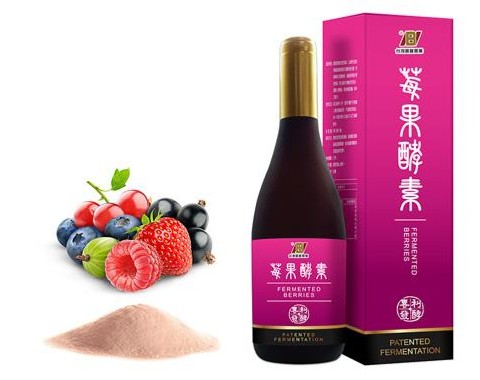
fermented powder

fermentation raw materials

With its strong technical expertise and strict adherence to quality standards, NEW BELLUS is a trusted partner for businesses aiming to bring innovative, high-quality probiotic products to market.

Polypropylene vs. Polyethylene Boards: Which One Should You Choose?

When choosing a plastic board for your project, Polypropylene (PP) and Polyethylene (PE) are two of the most common options. Both are versatile thermoplastics, but they have distinct characteristics that can make one better suited than the other for specific applications.

In this guide, we’ll cover material differences, weight, durability, chemical resistance, cost, and common uses to help you make an informed choice.

Choosing the Right Material for Your Application

Polypropylene (PP) is a thermoplastic polymer known for its high stiffness, excellent fatigue resistance, and good heat resistance. It maintains its shape under repeated stress and is widely used in applications requiring structural stability.

Key properties of PP boards:

  • High stiffness and rigidity
  • Good resistance to bending fatigue
  • Performs well at higher temperatures compared to PE
  • Resistant to many chemicals, including acids and alkalis

Common applications:

  • Automotive components
  • Packaging containers
  • Laboratory equipment
  • Storage boxes and trays

Overview of Polyethylene (PE) Boards

Polyethylene (PE) is one of the most widely used plastics, available in several types such as HDPE (High-Density Polyethylene), LDPE (Low-Density Polyethylene), and UHMWPE (Ultra High Molecular Weight Polyethylene). It is valued for its impact resistance, flexibility, and toughness, especially in low-temperature environments.

Key properties of PE boards:

  • High impact resistance, even in cold conditions
  • Softer and more flexible than PP
  • Excellent moisture resistance
  • Good chemical resistance

Common applications:

  • Cutting boards
  • Playground equipment
  • Marine dock fenders
  • Water tanks and pipes

Key Differences Between Polypropylene and Polyethylene Boards

1. Material Properties

PP: Stiffer and more rigid, holds shape under repeated flexing, slightly better in higher heat.

PE: Softer and more flexible, excellent impact absorption, performs well in extreme cold.

2. Weight and Density

PP: Slightly lighter (density ~0.90 g/cm³) — beneficial when weight reduction is important.

PE: Slightly heavier (density ~0.94–0.96 g/cm³), but still lighter than many alternatives like metal or wood.

3. Durability and Performance

PP: Resistant to cracking from repeated bending; better for applications requiring shape retention.

PE: Better for absorbing shocks; less prone to brittle failure in cold weather.

4. Chemical Resistance

PP: Excellent resistance to acids, alkalis, and organic solvents; can be affected by strong oxidizers.

PE: Similar chemical resistance, with HDPE offering exceptional corrosion protection.

5. Cost Considerations

PP: Slightly higher cost due to better stiffness and heat resistance.

PE: More cost-effective for large-scale projects.

Comparison Table: PP Boards vs. PE Boards

FeaturePolypropylene (PP) BoardPolyethylene (PE) Board
Density~0.90 g/cm³ (lighter)~0.94–0.96 g/cm³ (slightly heavier)
StiffnessHigh rigidityFlexible and softer
Impact ResistanceModerate at low temp, high at room tempExcellent, even at low temperatures
Temperature RangePerforms better in heatPerforms better in cold
Chemical ResistanceExcellent (except strong oxidizers)Excellent (HDPE very resistant)
CostSlightly higherGenerally lower
Best ForStructural stability, high-temp useShock absorption, cold-weather performance

Choosing the Right Material for Your Application

When deciding between PP and PE boards, consider the following factors:

  • Operating environment: Will the board be exposed to heat or cold?
  • Mechanical demands: Does the application require rigidity or flexibility?
  • Chemical exposure: Will it come into contact with corrosive substances?
  • Budget: Are you optimizing for performance or cost efficiency?

General guidance:

  • Choose PP for applications that require stiffness, shape retention, and heat resistance.
  • Choose PE for applications that require flexibility, impact resistance, and performance in cold conditions.

About YING PAO CHIA: Plastic Board Manufacturer from Taiwan

YING PAO CHIA is a professional manufacturer of plastic boards, specializing in BI-FIT Boards, plastic composite boards, polypropylene (PP) boards, and polyethylene (PE) boards .

The plastic board products are widely applied in medical bed boards, protective gear, midsoles, and sports-related products, delivering quality solutions for various industries.

Making the Right Choice Between Polypropylene and Polyethylene Boards

Both Polypropylene (PP) and Polyethylene (PE) boards offer excellent performance, but their differences make them better suited for different purposes. By weighing temperature tolerance, durability needs, chemical resistance, and cost, you can select the material that will provide the best long-term results for your project.